
Ganga Aarti Haridwar – गंगा आरती
Ganga Aarti Haridwar is one of the most enchanting spiritual experiences in India. Held daily at Har Ki Pauri Ghat in Haridwar, Uttarakhand, this sacred ritual attracts thousands of devotees and tourists from across the globe. The ceremony is dedicated to Maa Ganga, the holiest river in Hindu tradition, believed to wash away sins and grant salvation.
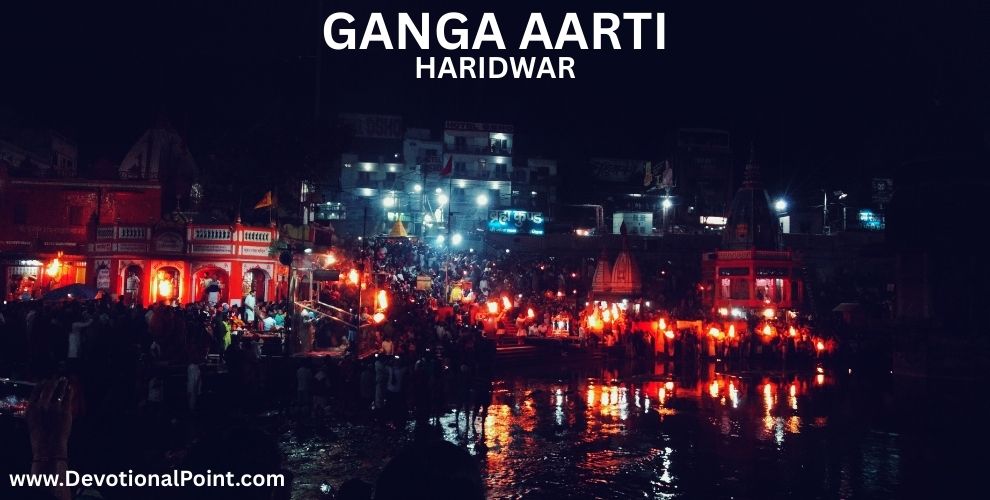
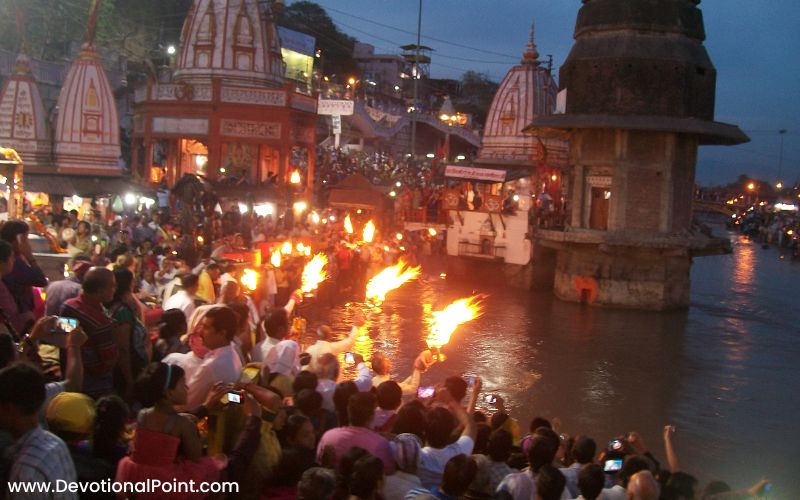
The aarti is performed by priests in traditional attire, holding massive brass lamps with multiple flames that are moved in a rhythmic motion. The air is filled with the chanting of Vedic hymns, the ringing of temple bells, and the fragrance of incense. As the diyas are floated on the Ganga, the sight of the glowing lamps reflecting on the rippling waters creates an atmosphere of peace and divinity.
The Haridwar Ganga Aarti isn’t merely a visual delight; it’s a profound spiritual event where people connect directly with the goddess Ganga, who is believed to cleanse all sins and grant blessings. For Hindus, the Ganga is not just a river—it’s a lifeline, a mother, and a goddess who nourishes life and sustains faith.
History and Mythology of Ganga Aarti Haridwar
The Ganga Aarti Haridwar isn’t just a beautiful evening ritual—it’s a tradition rooted in ancient mythology and centuries of history. To understand the significance of this ceremony, one must look back at the legends surrounding the River Ganga, the holy city of Haridwar, and the spiritual practices that shaped Hinduism itself.
The Mythological Origin of the River Ganga
According to Hindu mythology, the River Ganga is no ordinary river—it’s the very essence of divinity. She is worshipped as a goddess who descended from heaven to earth to purify humanity.
The most popular legend is that of King Bhagirath. It is believed that Bhagirath performed intense penance for several years to bring the Ganga down from the heavens to earth. His ancestors had been cursed, and only the holy waters of the Ganga could cleanse their souls and grant them salvation.
Moved by his devotion, Goddess Ganga agreed to descend, but her force was so immense that it could have destroyed the earth. To protect the world, Lord Shiva caught the river in his matted locks and gently released her streams onto the earth. This sacred event is why the Ganga is often referred to as Bhagirathi and is considered a symbol of purity, salvation, and eternal grace.
Haridwar – Gateway to the Divine
The city of Haridwar, where the famous Haridwar Ganga Aarti is performed, holds a very special place in Hinduism. The name Haridwar itself means “Gateway to Lord Vishnu (Hari)” and “Gateway to Lord Shiva (Har).” For centuries, it has been one of the most important Tirthas (pilgrimage sites) in India.
Mythology suggests that Haridwar is among the four locations where drops of Amrit (the nectar of immortality) fell during the great battle between the gods and demons. This is why Haridwar is one of the four sites of the Kumbh Mela, the largest religious gathering on Earth.
The Har Ki Pauri Ghat, where the Ganga Aarti is performed, is believed to mark the precise spot where Lord Vishnu left his footprint. This makes the aarti not just a daily ritual but a deeply sacred act that connects devotees directly with divine history.
Origins of Ganga Aarti in Haridwar
While exact historical records are scarce, scholars and local priests believe that the practice of offering Aarti to the Ganga has been carried out for several centuries. Originally, it was a simple ritual performed by a handful of priests at dawn and dusk to honor the goddess.
Over time, as Haridwar grew into a major pilgrimage center, the Haridwar Ganga Aarti evolved into a grand public ceremony. Today, it is one of the most iconic spiritual events in India, drawing thousands of people every single day.
Cultural and Religious Significance
The Ganga Aarti Haridwar is more than just lighting lamps—it’s a symbolic offering of gratitude, devotion, and surrender.
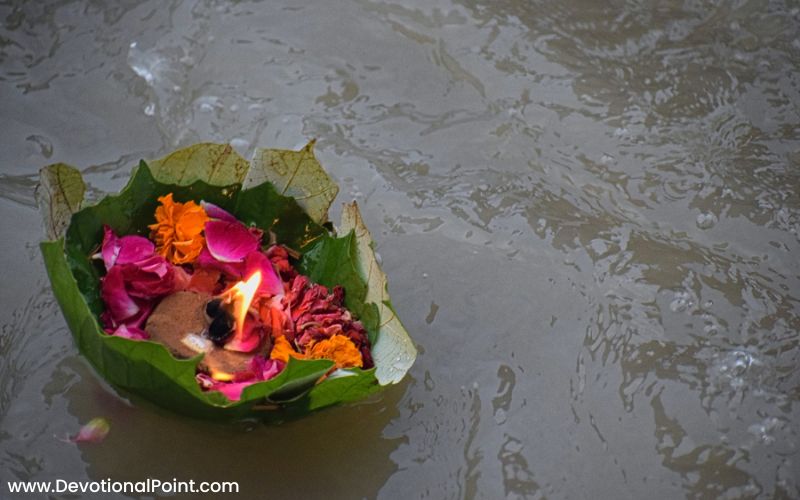
- The Lamps (Deepam): Represent the removal of ignorance and the light of divine wisdom.
- The Fire (Agni): Symbolizes purity, as fire is believed to burn away negativity and sins.
- The Chanting (Mantras): Creates spiritual vibrations that connect the physical world with the divine.
- The River (Ganga Maa): Embodies eternal life, nourishment, and liberation.
Together, these elements transform the aarti into an experience that unites mythology, culture, and spirituality.
Legends Associated with Haridwar Ganga Aarti
Several myths are tied specifically to the Haridwar Ganga Aarti:
- Blessings of Lord Vishnu – It’s believed that attending the aarti at Har Ki Pauri ensures Lord Vishnu’s blessings and liberation from the cycle of rebirth.
- Shiva’s Grace – Since Shiva held the Ganga in his locks, offering prayers during the aarti is said to invoke his protection and blessings.
- Path to Moksha – The Ganga at Haridwar is regarded as the holiest stretch of the river. Devotees believe that witnessing the aarti here guarantees the washing away of sins and a path to moksha (salvation).
The Role of Har Ki Pauri in India’s Pilgrimage Network
Har Ki Pauri and the Ganga Aarti Haridwar play a central role in the broader network of Indian pilgrimage sites and Haridwar is a well-connected spiritual hub and is traditionally the starting point for pilgrims heading to the Char Dham shrines – Yamunotri, Gangotri, Kedarnath, and Badrinath.
- It connects with the Char Dham Yatra (Badrinath, Kedarnath, Gangotri, Yamunotri).
- It serves as the starting point for many Spiritual Yatras.
- It is part of the Kumbh Mela circuit, making it a spiritual epicenter visited by millions.
Monthwise Timings for Ganga Aarti in Haridwar
Here’s a detailed month-by-month schedule of Haridwar Ganga Aarti timings (approximate, as exact timings depend on local sunset):
| Month | Morning Ganga Aarti Timing Haridwar | Evening Aarti Timing | Weather |
| January | 6:00 AM – 7:00 AM | 5:00 PM – 6:00 PM | Cold mornings, carry warm clothes. |
| February | 5:45 AM – 6:45 AM | 5:15 PM – 6:15 PM | Pleasant weather, fewer crowds. |
| March | 5:30 AM – 6:30 AM | 5:45 PM – 6:45 PM | Spring season, ideal for spiritual trips. |
| April | 5:15 AM – 6:15 AM | 6:15 PM – 7:15 PM | Tourist season begins, more visitors. |
| May | 5:00 AM – 6:00 AM | 6:30 PM – 7:30 PM | Summers, evenings more comfortable. |
| June | 4:45 AM – 5:45 AM | 6:45 PM – 7:30 PM | Longest days of the year, peak tourist time. |
| July | 5:00 AM – 6:00 AM | 6:45 PM – 7:15 PM | Monsoon season, rain may affect arrangements. |
| August | 5:15 AM – 6:15 AM | 6:30 PM – 7:00 PM | Humid weather, still monsoon showers. |
| September | 5:30 AM – 6:30 AM | 6:00 PM – 6:45 PM | Pleasant climate, good time for darshan. |
| October | 5:45 AM – 6:45 AM | 5:30 PM – 6:30 PM | Clear skies, festive season begins. |
| November | 6:00 AM – 7:00 AM | 5:15 PM – 6:15 PM | Winter sets in, carry light woolens. |
| December | 6:15 AM – 7:15 AM | 5:00 PM – 6:00 PM | Cold nights, heavy woolens required. |
Tip: Always confirm Haridwar Ganga Aarti timings today before visiting, as special events or festivals may alter the schedule.
Seasonal Variations in Ganga Aarti Haridwar Timings
- Summer (April – June):
- Evening aarti starts late, around 6:30 PM – 7:30 PM.
- Weather is hot during the day, but evenings are comfortable.
- Peak tourist season, so arrive at least 1 hour early for a good spot.
- Evening aarti starts late, around 6:30 PM – 7:30 PM.
- Monsoon (July – September):
- Evening aarti starts around 6:00 PM – 7:15 PM.
- Rain sometimes delays or modifies arrangements.
- Crowd is moderate compared to summer.
- Evening aarti starts around 6:00 PM – 7:15 PM.
- Autumn (October – November):
- Evening aarti shifts earlier, 5:15 PM – 6:30 PM.
- Weather is pleasant, and it’s a great time to visit Haridwar.
- Evening aarti shifts earlier, 5:15 PM – 6:30 PM.
- Winter (December – February):
- Evening aarti begins early, 5:00 PM – 6:15 PM.
- Cold winds flow from the Himalayas, so dress warmly.
- Fewer tourists, making it peaceful and spiritual.
- Evening aarti begins early, 5:00 PM – 6:15 PM.
- Spring (March):
- Evening aarti is around 5:45 PM – 6:45 PM.
- Climate is mild, perfect for spiritual journeys.
- Evening aarti is around 5:45 PM – 6:45 PM.
Tips for Attending Ganga Aarti on Time
- Arrive Early: Reach Har Ki Pauri at least 60–90 minutes before aarti to find seating space.
- Morning Aarti: Less crowded compared to evening, ideal for peaceful darshan.
- Check Local Sunset Times: The aarti schedule is based on sunset, so timings may shift by 10–15 minutes.
- Festival Days: During Kumbh Mela, Ganga Dussehra, and Kartik Purnima, aarti is held at the same time but with massive crowds. Arrive several hours early.
- Ropeway Travelers: If you plan to combine the aarti with a visit to Mansa Devi Temple or Chandi Devi Temple ropeway, schedule accordingly so you don’t miss the evening ritual.
Best Time to Witness Evening Aarti
While the Haridwar Ganga Aarti timings remain consistent throughout the year, the experience changes with the seasons. For photographers and spiritual seekers, October to March is often considered the best time due to clearer skies, mild weather, and manageable crowds.
During summer and monsoon, the large gathering adds a different charm, with chants, bells, and diyas making the entire ghat glow with spiritual energy.
The Atmosphere During Aarti
What truly sets the Haridwar Ganga Aarti apart is the energy of the crowd and surroundings:
- The air fills with the sound of conches, bells, and devotional songs.
- The glow of hundreds of lamps reflects in the flowing Ganga, creating a golden shimmer.
- Devotees chant “Har Har Gange” and “Om Namah Shivaya”, filling the atmosphere with divine vibrations.
- The aroma of incense sticks and flowers enhances the spiritual experience.
Many visitors describe the ceremony as a soul-stirring moment, where time seems to pause, and one feels deeply connected with the divine.
Things to Do Around Ganga Aarti Haridwar Location
Har Ki Pauri in Haridwar is the heart of spirituality, attracting millions of devotees and tourists every year. While the Ganga Aarti Haridwar is the most enchanting experience, the surrounding area offers a wide variety of activities for travelers. From shopping at bustling bazaars to meditating in peaceful ashrams, and from savoring local street food to taking adventurous treks, there’s something for everyone.
Here’s a detailed guide to the best things to do around the Ganga Aarti location in Haridwar.
1. Take a Holy Dip in the Ganga

Before or after attending the evening Aarti, many devotees take a ritual bath in the sacred Ganga river at Har Ki Pauri.
- Significance: It is believed that a dip here washes away sins and brings spiritual purification.
- Safety Tip: Use designated bathing ghats for safety, especially during the crowded Kumbh Mela.
- Best Time: Early morning is the most serene and less crowded time for a holy bath.
2. Visit the Famous Temples Near Har Ki Pauri
The Haridwar area is dotted with several temples, each carrying unique mythological importance.
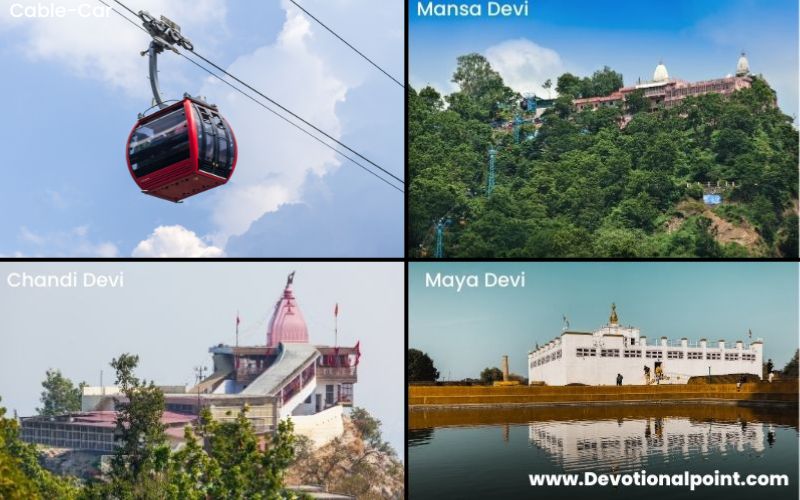
- Mansa Devi Temple: Known for wish fulfillment.
- Chandi Devi Temple: Associated with Goddess Durga’s victory over demons.
- Maya Devi Temple: One of the Shakti Peethas.
Tip: You can combine your visit to these temples with the ropeway rides for panoramic views of Haridwar.
3. Explore the Local Bazaars
No trip to Haridwar is complete without exploring the vibrant markets around Har Ki Pauri.
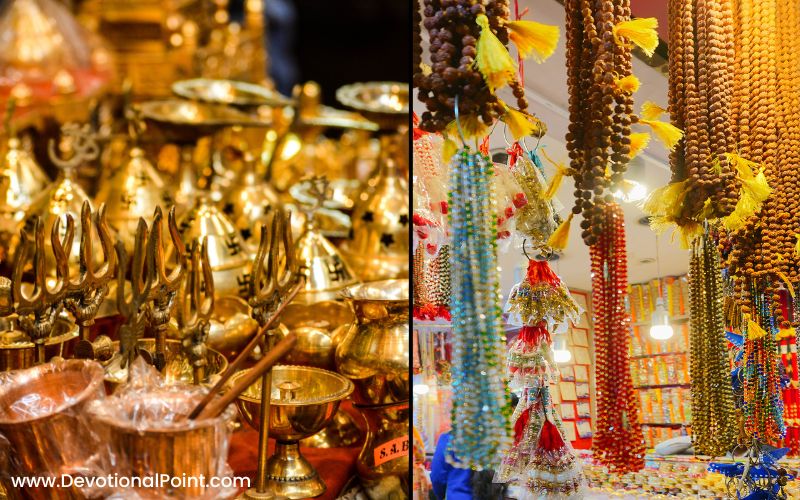
- Bara Bazaar: Famous for Ayurvedic medicines, handicrafts, and sweets.
- Moti Bazaar: Known for religious items like rudraksha beads, idols, brass utensils, and pooja essentials.
- Khadkhadi Bazaar: Perfect for purchasing souvenirs, gemstones, and colorful handicrafts.
👉 Don’t miss Haridwar ka peda (a local sweet delicacy) while shopping.
4. Relish Authentic Haridwar Street Food
Haridwar is a heaven for vegetarian street food lovers. Around Har Ki Pauri, you’ll find small eateries and stalls offering authentic flavors.

- Aloo Puri at Mohanji Puri Wale – Famous breakfast spot.
- Kachoris and Samosas – Served hot with tangy chutneys.
- Chole Bhature – A must-try during lunch hours.
- Rabri, Jalebi, and Lassi – Sweet delights to enjoy after meals.
All food served is Pure vegetarian in Haridwar, aligning with the city’s spiritual ethos.
5. Attend the Morning Ganga Aarti
While most visitors witness the evening Ganga Aarti, the morning Aarti at Har Ki Pauri is equally magical but less crowded.
- Experience: The calm sunrise, the chanting of mantras, and the sound of bells create a surreal atmosphere.
- Best For: Those who prefer a peaceful, spiritual experience away from the evening rush.
6. Take a Walk Along the Ghats
The Har Ki Pauri Ghat is not just about the Aarti. Taking a slow walk along the riverbanks during sunrise or evening is one of the most soulful experiences.
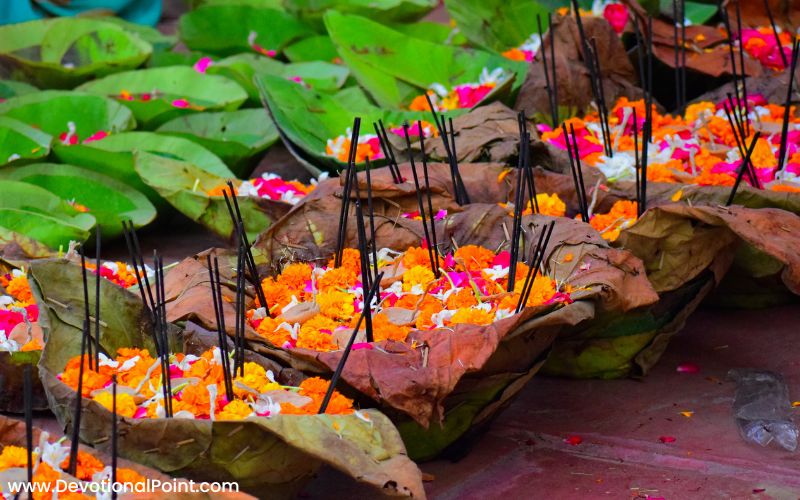
- What You’ll See: Priests performing rituals, devotees offering prayers, diyas floating in the river, and the natural beauty of the Ganga.
- Photography Tip: Early morning light creates perfect reflections for capturing the holy river.
7. Experience Yoga and Meditation in Ashrams
Haridwar is home to many ashrams that conduct yoga and meditation sessions.
- Shantikunj Ashram: Offers spiritual workshops and Gayatri Mantra chanting.
- Patanjali Yogpeeth: One of the world’s largest yoga centers, founded by Baba Ramdev.
- Sapt Rishi Ashram: Ideal for peace, meditation, and retreats.
Joining a morning yoga session by the Ganga is a rejuvenating experience.
8. Try Adventure Activities
If you are looking for more than spirituality, Haridwar also offers soft adventure activities.
- River Rafting: Nearby Rishikesh (25 km away) is famous for white-water rafting on the Ganga.
- Trekking: Explore short treks to Neel Parvat or Chilla Wildlife Sanctuary.
- Wildlife Safari: Rajaji National Park is a great option for spotting elephants, leopards, and exotic birds.
Travel Tips for Exploring Around Har Ki Pauri
- Wear comfortable footwear as you’ll walk a lot around ghats and markets.
- Always keep some cash handy, as small shops may not accept digital payments.
- Respect local customs—avoid smoking, alcohol, and non-vegetarian food in the area.
- Stay hydrated and carry light snacks if you plan to explore the whole day.
Conclusion
The Ganga Aarti Haridwar is a once-in-a-lifetime experience that combines spiritual devotion, cultural richness, and natural beauty. From the mythological origins of Maa Ganga to the modern-day ritual that attracts millions, the aarti continues to be a powerful symbol of faith.
If you plan a spiritual journey to Uttarakhand, witnessing the Haridwar Ganga Aarti should be at the top of your list.