
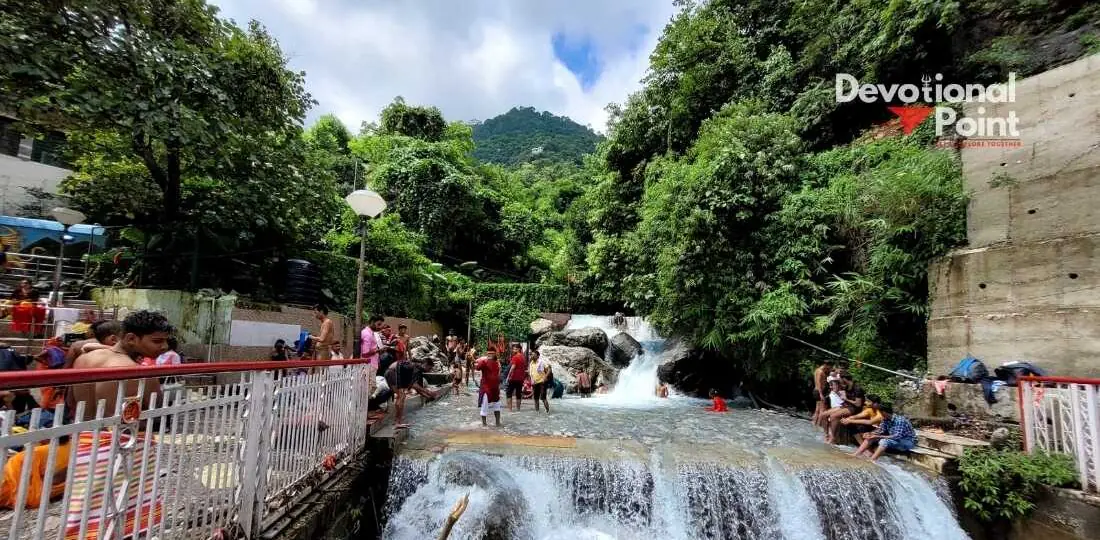
Vaishno Devi Banganga is one of the first important stops on the traditional journey to Mata Vaishno Devi Bhawan. Located close to Katra, Banganga marks the beginning of the uphill pilgrimage for devotees taking the traditional route Banganga Marg. It is also associated with an important legend connected with Mata Vaishno Devi and is known for its sacred water, bathing ghat and peaceful spiritual atmosphere..
According to Hindu mythology, Mata Vaishno Devi created this holy stream by shooting an arrow (Ban) into the ground to provide water for her companion, Hanuman. This is why the place is called Banganga—a combination of the words Ban (arrow) and Ganga (holy river). Over time, Banganga has become an important spiritual landmark where devotees seek blessings before beginning their journey to the shrine.
History and Religious Significance of Banganga
Banganga holds an important place in the religious traditions associated with the Vaishno Devi Yatra.
According to popular belief, Mata Vaishno Devi created the stream at Banganga using an arrow when she needed water during her journey. This association gives the place its religious importance among devotees.
The sacred stream is traditionally connected with the name of Mata Vaishno Devi, and pilgrims have long regarded Banganga as an important stop before continuing towards the higher parts of the pilgrimage route.
For many visitors, stopping at Banganga is also a way to pause and prepare themselves mentally and physically for the longer journey ahead.
Location of Banganga
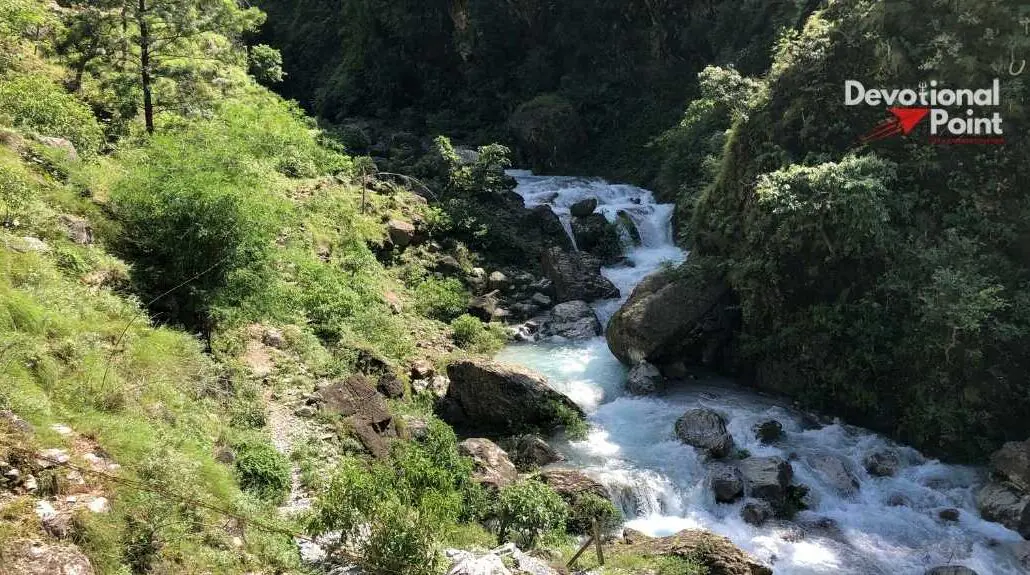
Banganga is situated approximately 1.5 kilometre from Katra Bus Stand on the traditional trekking route which is Bangnaga marg to the Vaishno Devi Bhawan. It serves as the first major landmark after pilgrims complete their Yatra registration and security checks.
From Banganga, the route continues towards several important pilgrimage sites, including:
- Charan Paduka
- Adhkuwari
- Sanjichhat
- Mata Vaishno Devi Bhawan
- Bhairon Temple
Vaishno Devi Banganga Route
The traditional Vaishno Devi Banganga route follows the old pilgrimage path (Banganga marg) from Katra towards Bhawan. It is the route associated with several important spiritual stops along the Yatra.
The general route is:
Katra → Banganga → Charan Paduka → Ardhkuwari → Sanjichhat → Bhawan
After reaching Bhawan, pilgrims can continue towards Bhairon Baba Temple to complete an important part of the pilgrimage.
The traditional route is approximately 13.5 km from Katra to Bhawan.
Vaishno Devi Banganga Distance from Katra
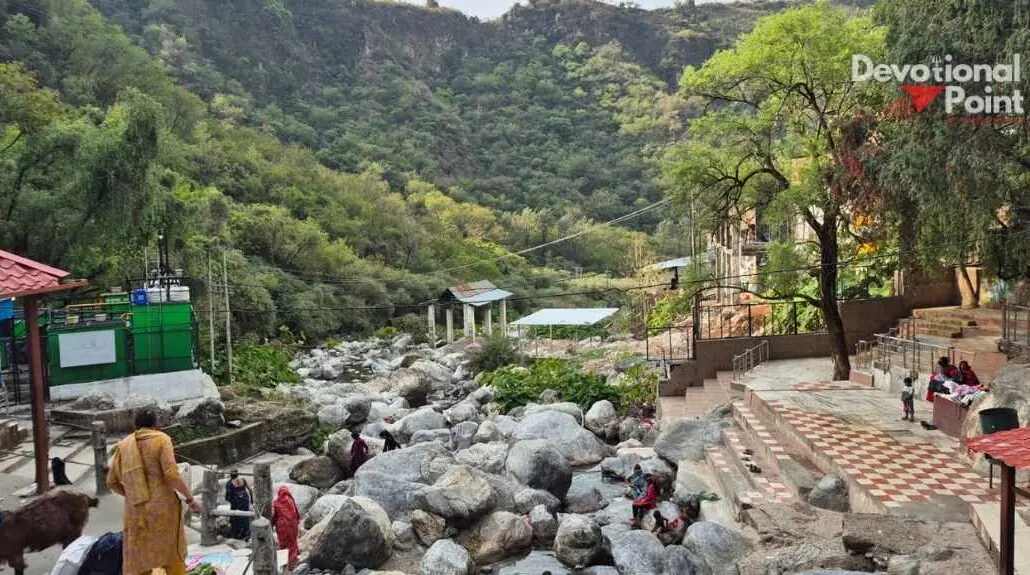
The Vaishno Devi Banganga distance from Katra is approximately 1 km. It is one of the first stops after leaving Katra for the traditional pilgrimage route.
From Banganga, the traditional route continues towards Charan Paduka, followed by Ardhkuwari and eventually Bhawan.
The approximate route is:
Katra → Banganga → Charan Paduka → Ardhkuwari → Sanjichhat → Bhawan
Banganga is therefore much closer to Katra than the main Vaishno Devi Bhawan. Pilgrims beginning their trek from Katra usually reach this point relatively early in their journey.
Banganga Temple
The Banganga area has a temple where devotees can stop for prayers during their pilgrimage. The temple and its surrounding area are part of the traditional route followed by pilgrims travelling from Katra towards the shrine.
Banganga Temple Timings: The temple is open from 5:00 AM to 9:00 PM.
Many devotees take a short break here before continuing towards Charan Paduka and Ardhkuwari. Since Banganga comes near the beginning of the Yatra, it is also a convenient place to pause, have some water and settle into the pace of the trek.
What to Expect at Banganga
Banganga is always filled with a vibrant devotional atmosphere. Pilgrims begin their trek while chanting “Jai Mata Di,” creating an inspiring and spiritual environment.
Visitors can expect:
- The sacred Banganga stream
- A peaceful temple atmosphere
- Beautiful views of the Trikuta Hills
- Shops selling prasad, souvenirs, snacks, and drinking water
- Resting areas for pilgrims
- Continuous movement of devotees throughout the day and night
The area becomes especially lively during Navratri Festiival and other major festivals.
Banganga Bathing Ghat
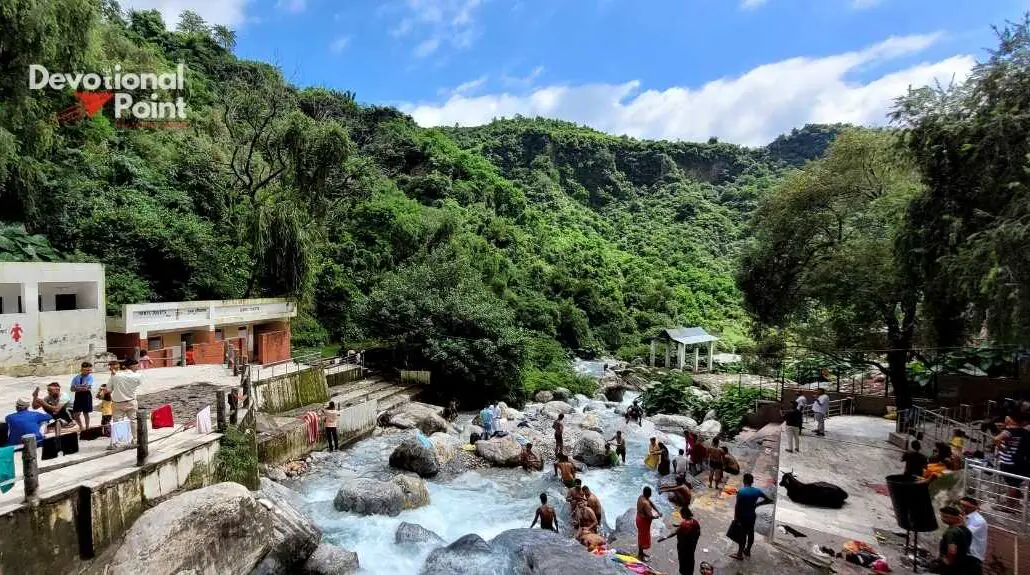
The Banganga Bathing Ghat is one of the best-known spots at Banganga.
Traditionally, devotees have regarded the water here as sacred and may wash their hands and feet or take a bath before continuing the Yatra. However, conditions at the site can vary, so pilgrims should follow the instructions and arrangements available when they visit.
Banganga Temple is another notable religious landmark in the area.
For visitors who are travelling during a busy period, it is better not to spend too much time at the starting point if they have a fixed travel schedule. The main purpose of Banganga is to begin the pilgrimage comfortably and continue towards the next stops.
Important Points to Remember
- If you choose Tarakote Marg from Katra: You will go directly towards Ardhkuwari, and Banganga and Charan Paduka will not come on the way.
- If you choose Banganga Marg from Katra: You will pass through two important holy stops — Banganga and Charan Paduka — before reaching Ardhkuwari.
- Want to visit Banganga and Charan Paduka? Choose the traditional Banganga Marg from Katra
Facilities Available at Banganga
The Shri Mata Vaishno Devi Shrine Board has developed several facilities to ensure a comfortable pilgrimage.
These include:
- Drinking water points
- Clean toilets
- Resting shelters
- Food courts and refreshment stalls
- Medical aid centres
- Security checkpoints
- CCTV surveillance
- Proper lighting for night trekking
- Pony and palki booking points nearby
These amenities help make the start of the Yatra safe and convenient.
Frequently Asked Questions About Vaishno Devi Banganga
How far is Banganga from Katra?
Banganga is approximately 1 km from Katra according to the Shri Mata Vaishno Devi Shrine Board.
How far is Banganga from Vaishno Devi Bhawan?
Banganga is near the beginning of the traditional route, while Bhawan is approximately 13 km from Katra. Therefore, the remaining walking distance from Banganga to Bhawan is roughly 12 km, although the exact distance can vary depending on the route followed.
What is the significance of Banganga?
Banganga is considered a sacred place associated with Mata Vaishno Devi. According to traditional belief, Mata Rani created the stream by shooting an arrow into the ground when she needed water during her journey.
Is Banganga on the Vaishno Devi route?
Yes. Banganga is an important point on theBanganga marg (traditional route) from Katra to Vaishno Devi Bhawan.
What comes after Banganga on the Vaishno Devi route?
The traditional route continues from Banganga towards Charan Paduka, followed by Ardhkuwari, the upper route towards Sanjichhat, and finally Bhawan.
Can I visit Banganga without going to Vaishno Devi Bhawan?
Yes. Banganga is a distinct religious site near Katra and can be visited separately. However, most pilgrims visiting Banganga are there as part of their Vaishno Devi Yatra.
Is Banganga and Banganga Marg the same?
They are closely related but not exactly the same. Banganga refers to the sacred place/area, while Banganga Marg generally refers to the traditional pilgrimage route that begins through this area and continues towards Bhawan.
Book Vaishno Devi Tour Package Now
Vaishno Devi Tour Package
Book Now
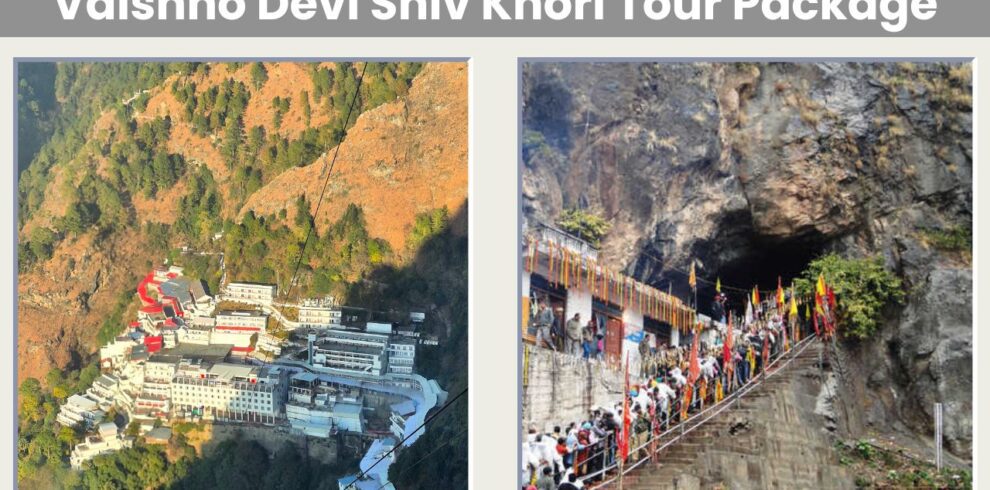
The Vaishno Devi Shiv Khori Tour Package 2 Night 3 Days from Katra is a perfectly curated pilgrimage for devotees…
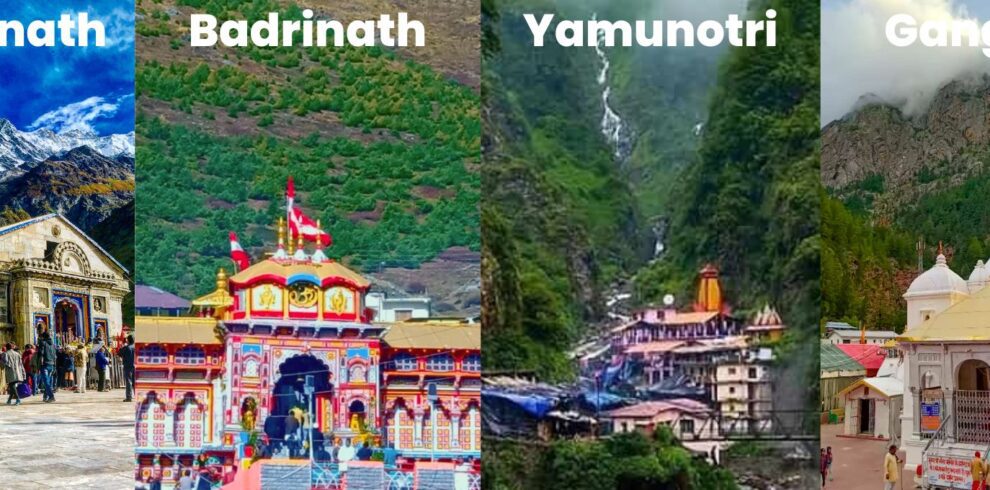
Chardham Yatra Package 2025 Includes – Yamunotri, Gangotri, Kedarnath and Badrinath Temple Darshan which is 11 nights and 12Days Tour…
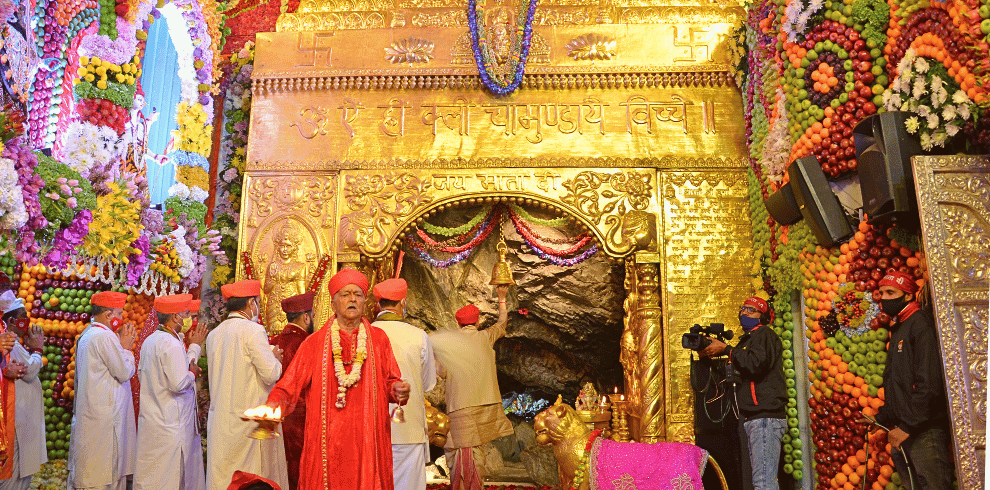
Here's how you can book your spot for the Vaishno Devi Attka Aarti Online Booking Procedure. The Aarti at Vaishno…
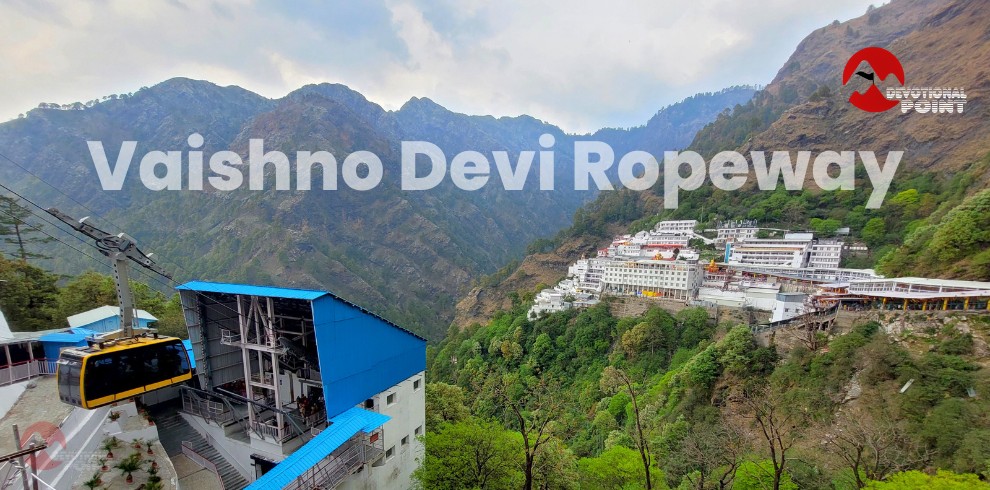
The Vaishno Devi Ropeway is a modern and efficient way to travel between Bhawan and Bhairo Ghati, offering pilgrims a…
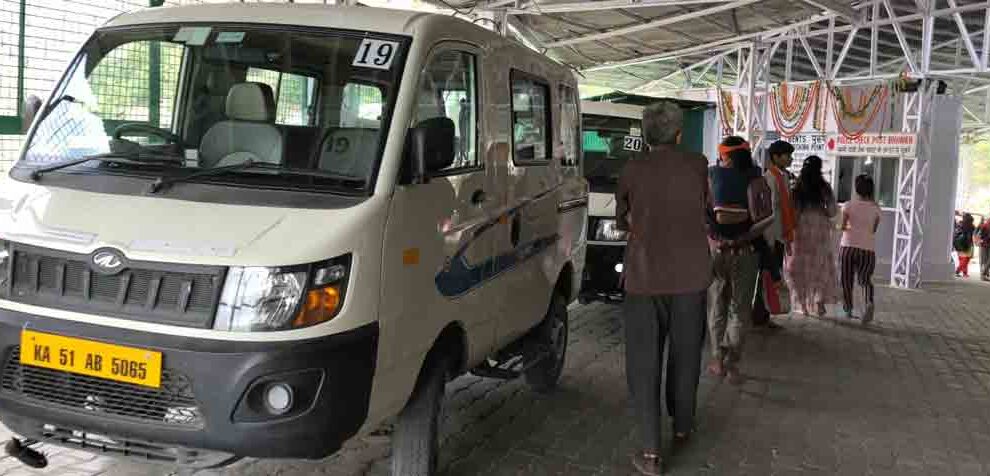
Vaishno Devi Battery car Online booking for Shri Mata Vaishno Devi Yatra which is 13.5km Yatra from Katra, which is…
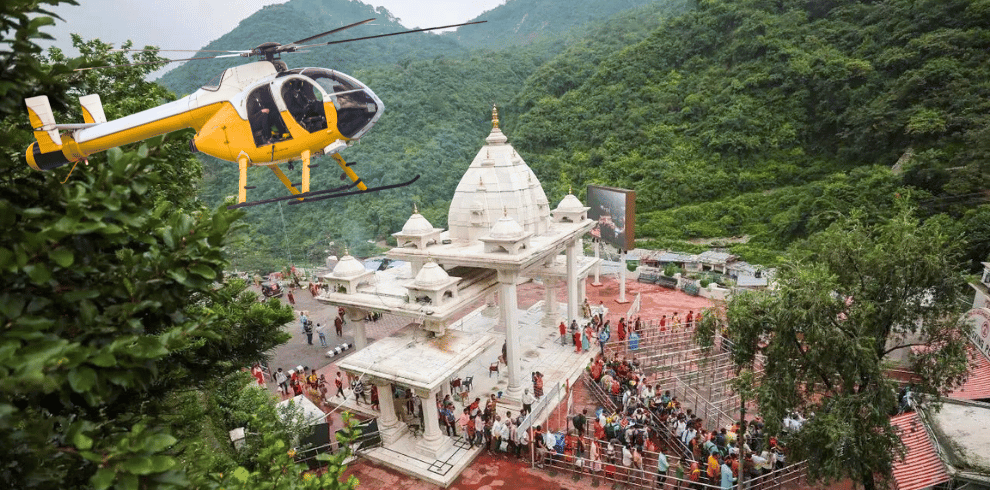
Booking a helicopter ride to Vaishno Devi is one of the most convenient ways to reach the sacred shrine, especially…