
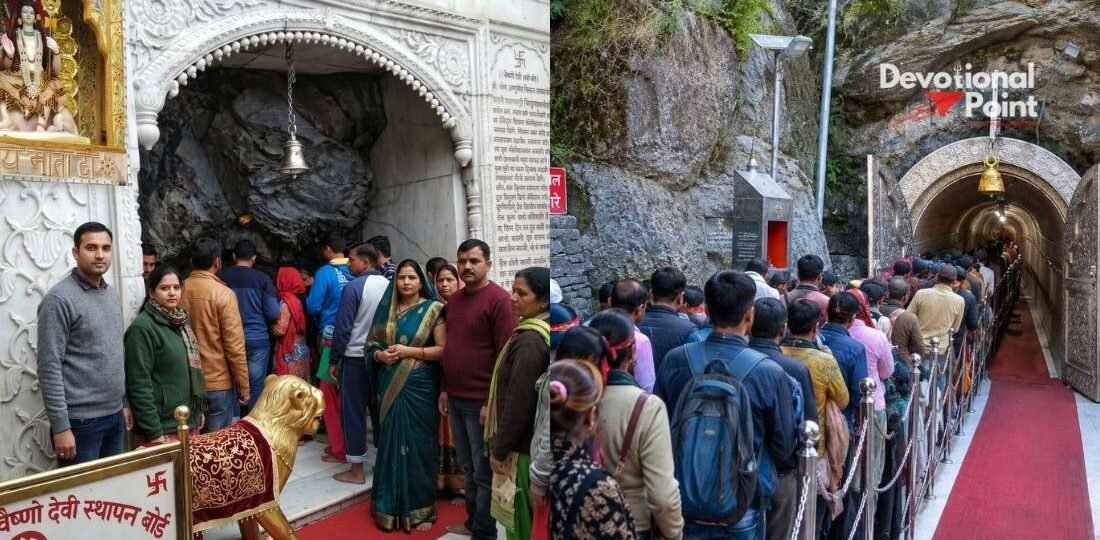
The Holy Cave of Shri Mata Vaishno Devi Ji is the main spiritual destination of the Vaishno Devi Yatra. Pilgrims travel from Katra through the Trikuta Hills to reach Bhawan, where Mata Vaishno Devi is worshipped in the form of the sacred three Pindies inside the Holy Cave.
When planning the yatra, you may come across the terms “Old Cave” and “New Cave.” This can sometimes be confusing, as they may sound like two separate shrines. In reality, the Vaishno Devi Old Cave vs New Cave difference is mainly related to the cave passage and the way pilgrims are managed around the Holy Cave. The sacred destination and the Pindies being worshipped remain the same.
The Old Cave refers to the traditional natural cave passage associated with the historic pilgrimage experience. The New Cave, meanwhile, refers to the arrangements used to manage the large number of pilgrims visiting Bhawan and to provide a more organised route for darshan.
For first-time pilgrims, it is important to understand this difference so that you know what to expect when you reach Bhawan. Access to the Old Cave may depend on factors such as crowd levels, season, and Shrine Board arrangements. Therefore, visiting the Old Cave should not be assumed to be available on every trip.
In simple terms, think of the Old Cave as the traditional natural passage and the New Cave arrangements as part of the modern system used to facilitate pilgrim movement and darshan. Both are connected with the same sacred shrine, rather than being separate temples or places of worship.
Vaishno Devi Old Cave
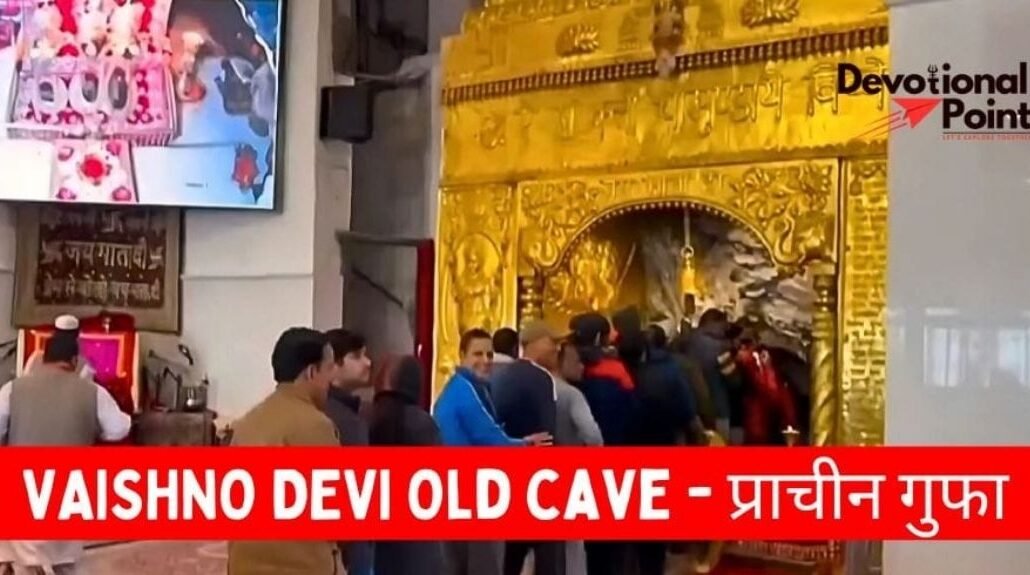
The Vaishno Devi Old Cave refers to the original natural cave associated with the traditional route into the Holy Shrine. Unlike a modern tunnel designed primarily for controlled pedestrian movement, a natural cave has an irregular character shaped by geology and the passage of time. This is the cave that holds particular emotional appeal for pilgrims who want to experience the shrine in the traditional manner.
The natural cave is closely associated with descriptions of the original pilgrimage experience, including its narrow passage and natural surroundings. During periods of high pilgrim traffic, however, using such a confined natural passage for the full volume of visitors would create serious logistical difficulties. That is the basic reason why access to the natural cave has historically been regulated rather than left open continuously.
The Old Cave should therefore be understood as heritage access to the sacred space, not as a separate temple containing different Pindies. When pilgrims are permitted to use it, the attraction lies in experiencing the original natural passage connected with the traditional pilgrimage. The Shrine Board has also periodically provided arrangements associated with experiencing or viewing the natural cave when ordinary access is restricted.
Why is the Old Cave Important?
The Old Cave holds special religious significance for devotees because it is believed to be the original path through which pilgrims reached the Holy Pindis.
Its narrow natural passage is also an important part of its identity. The experience of entering the cave is quite different from walking through the wider, more organised passage used for regular darshan.
For many pilgrims, visiting the Old Cave is considered a unique spiritual experience.
Vaishno Devi New Cave
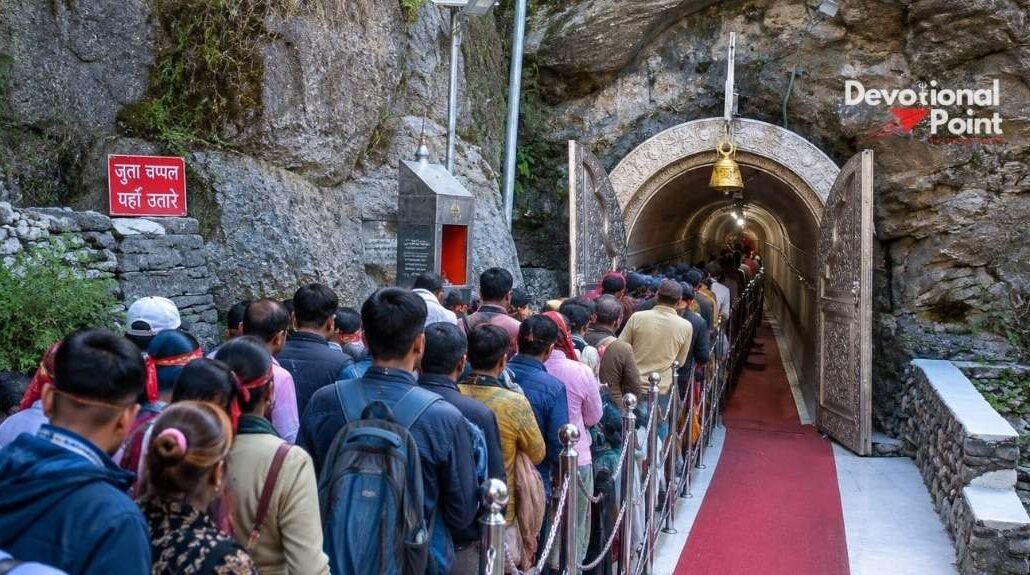
The term New Cave generally refers to the modern access arrangement developed alongside the original cave to improve the movement and clearance of pilgrims. It is important to distinguish this from the idea that a completely different shrine was constructed somewhere else. The New Cave exists because the pilgrimage grew to a scale at which relying solely on the traditional natural passage would not be practical.
The Shrine Board describes the development of an additional artificial tunnel in the Bhawan area to increase clearance capacity and create a more effective one-way circulation system. According to the Board, this development helped more pilgrims obtain darshan each day and reduced waiting periods.
This is the practical strength of the New Cave arrangement. Imagine trying to move a large modern airport’s passenger traffic through a single narrow historic doorway: the doorway might be meaningful and beautiful, but it simply cannot process the same volume efficiently. The New Cave approach applies the same basic principle to pilgrimage management. It allows the sacred destination to remain the focus while modern infrastructure helps regulate the flow of people.
Why the New Cave Was Developed
The growth of the Vaishno Devi pilgrimage created a challenge that was both logistical and devotional. More pilgrims meant longer queues, greater pressure on the limited space around Bhawan and a greater need for orderly movement. The Shrine Board’s development work has therefore focused on creating infrastructure that can accommodate visitors without compromising the sanctity and security of the shrine.
The New Cave and associated circulation arrangements are part of this larger transformation. The Board has also developed facilities such as cloakrooms, accommodation, bathing facilities, security systems and other pilgrim amenities around Bhawan. These changes demonstrate that the modern Vaishno Devi pilgrimage is not simply about maintaining a centuries-old cave; it is also about managing a huge contemporary pilgrimage safely.
For visitors, this means the New Cave should not automatically be considered “less authentic.” Its purpose is different. The Old Cave represents the traditional natural passage, while the New Cave represents modern pilgrim management. Both exist within the same larger sacred environment.
Vaishno Devi Old Cave vs New Cave: Key Differences
| Feature | Old Cave | New Cave |
| Type | Natural, original cave | Man-made marble tunnels for pilgrim movement |
| Also known as | Prachin Gufa / Natural Cave | New Tunnel / New Marble Cave |
| Religious significance | Strong historical and spiritual significance | Used for regular darshan |
| Passage | Narrow and naturally formed | Wider and more accessible |
| Availability | 14 Jan to March (till Holi) | Fully open and available to all pilgrims round the year, on all days |
| Access mode | Only by bowing down before the sacred Pindi of Maa Vaishno Devi. | Standard physical walk-through |
| Crowd capacity | Limited | Better suited for larger crowds |
| Experience | Crouching through the cold water, surrounded by a deeply traditional and spiritual atmosphere. | More convenient for regular darshan |
| Accessibility | More physically demanding | Easier for most pilgrims |
Is the Old Cave Open Throughout the Year?
No. The Old Cave is not necessarily available for regular entry throughout the year. Traditionally, it is opened around 14 January and remains accessible until Holi, subject to the arrangements and conditions at the shrine.
During periods of heavy pilgrim rush, the New Cave is generally used to manage the movement of devotees more efficiently. Weather, crowd levels and operational arrangements can also affect access to the Old Cave.
If visiting the Old Cave is an important part of your yatra, it is best to check the latest update on the official Shri Mata Vaishno Devi Shrine Board website before planning your visit, as opening arrangements may change..
Can You Visit the Old Cave During Navratri?
Navratri is one of the busiest periods for the Vaishno Devi pilgrimage. Because of the large number of devotees, access arrangements can differ from those during quieter periods.
The Old Cave may not be available for general pilgrim entry when crowd management requires the New Cave to be used.
Therefore, do not assume that the Old Cave will be open simply because you are visiting during Navratri. Check the latest arrangements before travelling.
How to Reach the Holy Bhawan
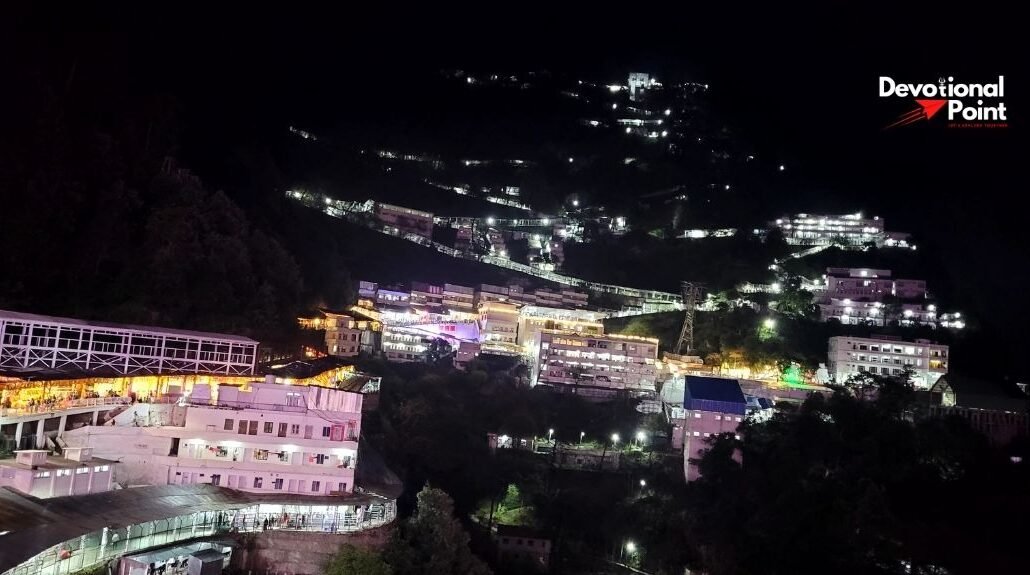
After completing the uphill journey from Katra, pilgrims finally reach the Holy Bhawan
A typical route is:
Katra → Banganga Marg → Ardhkuwari → Hathimatha marg → Bhawan
or (new route)
Katra → Tarakote Marg → Ardhkuwari → Himkoti Marg → Bhawan
Pilgrims can choose different routes along parts of the journey, depending on their preferences and available services.
Once you reach the Holy Bhawan, you proceed according to the current darshan arrangements.
What Makes the Old Cave Special?
The Old Cave’s biggest attraction is its natural character.
Unlike a modern, wider passage, the original cave retains the feeling of a mountain cave. Its narrow formation is closely connected with the traditional story and pilgrimage experience associated with Mata Vaishno Devi.
For devotees who value the historical and spiritual aspects of the yatra, this makes the Old Cave particularly meaningful.
What Makes the New Cave Useful?
The New Cave is primarily important because it makes it possible to accommodate a much larger number of pilgrims.
During busy periods, managing thousands of visitors through a naturally narrow cave would be difficult. The wider passage allows the pilgrimage to continue in a more organised manner.
It can also be more comfortable for pilgrims travelling with family members or those who may find narrow passages difficult.
Old Cave or New Cave for Elderly Pilgrims?
For elderly pilgrims, comfort and accessibility are usually more important than choosing between the two cave experiences.
The Old Cave’s natural and narrow passage may be physically challenging, while the New Cave is generally more suitable for managing regular pilgrim movement.
If you are travelling with elderly family members, it is best to follow the current instructions at the Bhawan and avoid putting unnecessary physical strain on them.
Old Cave or New Cave for Children?
Families travelling with young children should also consider convenience when planning their darshan.
The New Cave arrangement is generally more practical when large numbers of families are visiting. Keep children close to you and follow the instructions provided at the shrine.
If the Old Cave is open for visitors, access may still be subject to crowd and operational conditions.
Important Things to Know Before Darshan
A few simple preparations can make your visit easier:
- Complete your required yatra registration before beginning the pilgrimage.
- Keep your belongings to a minimum.
- Follow the instructions given at the Holy Bhawan.
- Do not assume that the Old Cave will be open on your travel date.
- Be prepared for changes in access arrangements during busy periods.
- Wear comfortable footwear for the pilgrimage.
- If travelling with elderly people or children, plan your pace accordingly.
- Avoid carrying unnecessary items into the shrine area.
Frequently Asked Questions
What is the difference between the Vaishno Devi Old Cave and New Cave?
The Old Cave is the original natural cave associated with the traditional pilgrimage, while the New Cave is a wider passage used to accommodate regular pilgrim movement and manage larger crowds.
Is the Old Cave the original cave of Mata Vaishno Devi?
Yes. The Old Cave is traditionally regarded as the original natural cave associated with Mata Vaishno Devi and holds considerable religious significance for devotees.
Is the Vaishno Devi Old Cave always open?
No. Access to the Old Cave can vary depending on crowd conditions and the arrangements at the Holy Bhawan. It is best to check the latest information before your visit.
Which cave is used for regular darshan?
The New Cave is generally used to manage regular pilgrim movement, particularly when visitor numbers are high.
Can everyone enter the Old Cave?
Access depends on the arrangements in place at the time of your visit. The natural cave is narrow, so entry may be restricted depending on crowd and operational conditions.
Which is better, the Old Cave or New Cave?
Neither is simply better. The Old Cave is valued for its traditional and natural character, while the New Cave is more practical for managing regular darshan and large numbers of pilgrims.
Is the Old Cave open during Navratri?
Not necessarily. Navratri attracts large crowds, and access arrangements can change to manage the number of pilgrims. Check the latest information before your journey.
Book Vaishno Devi Tour Package Now
Vaishno Devi Tour Package
Book Now
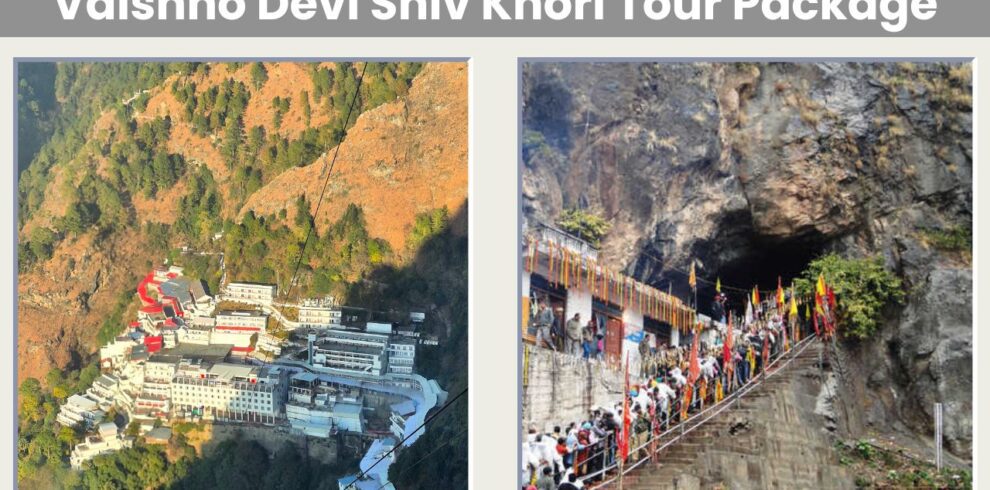
The Vaishno Devi Shiv Khori Tour Package 2 Night 3 Days from Katra is a perfectly curated pilgrimage for devotees…
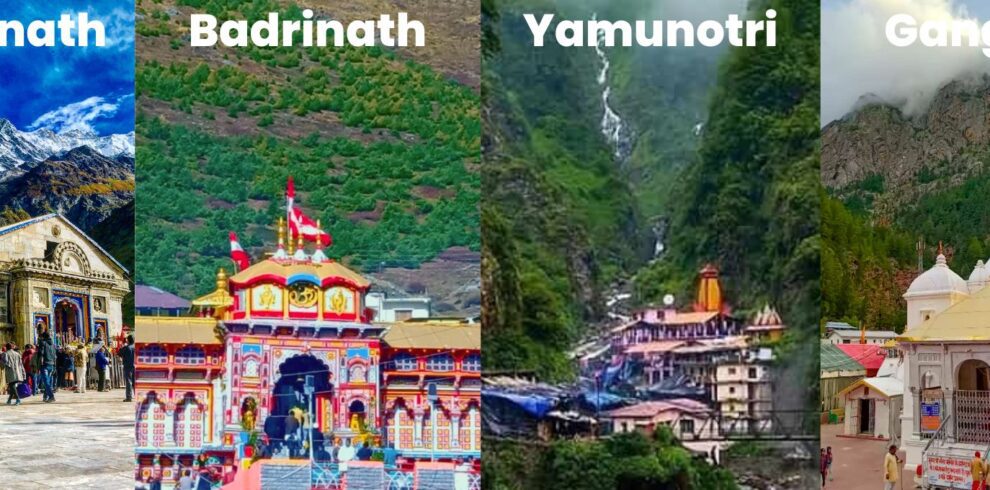
Chardham Yatra Package 2025 Includes – Yamunotri, Gangotri, Kedarnath and Badrinath Temple Darshan which is 11 nights and 12Days Tour…
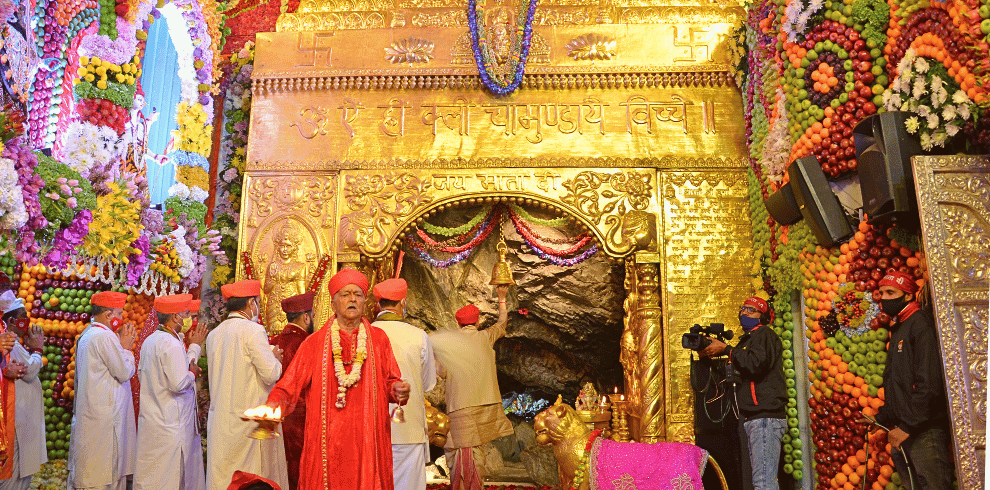
Here's how you can book your spot for the Vaishno Devi Attka Aarti Online Booking Procedure. The Aarti at Vaishno…
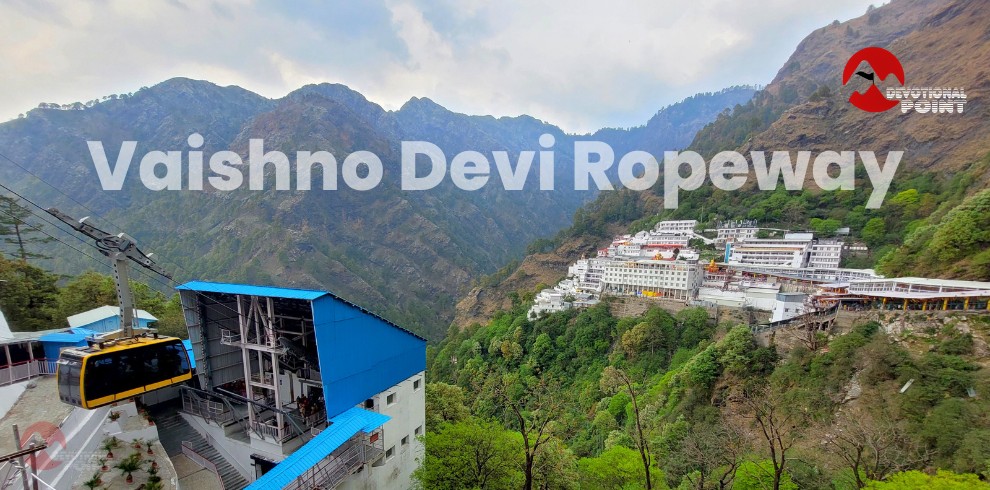
The Vaishno Devi Ropeway is a modern and efficient way to travel between Bhawan and Bhairo Ghati, offering pilgrims a…

Vaishno Devi Battery car Online booking for Shri Mata Vaishno Devi Yatra which is 13.5km Yatra from Katra, which is…
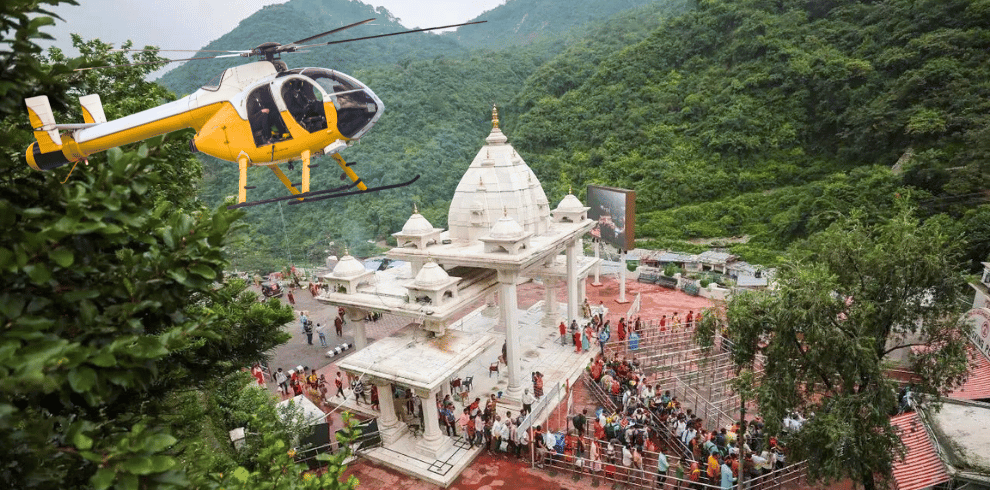
Booking a helicopter ride to Vaishno Devi is one of the most convenient ways to reach the sacred shrine, especially…