
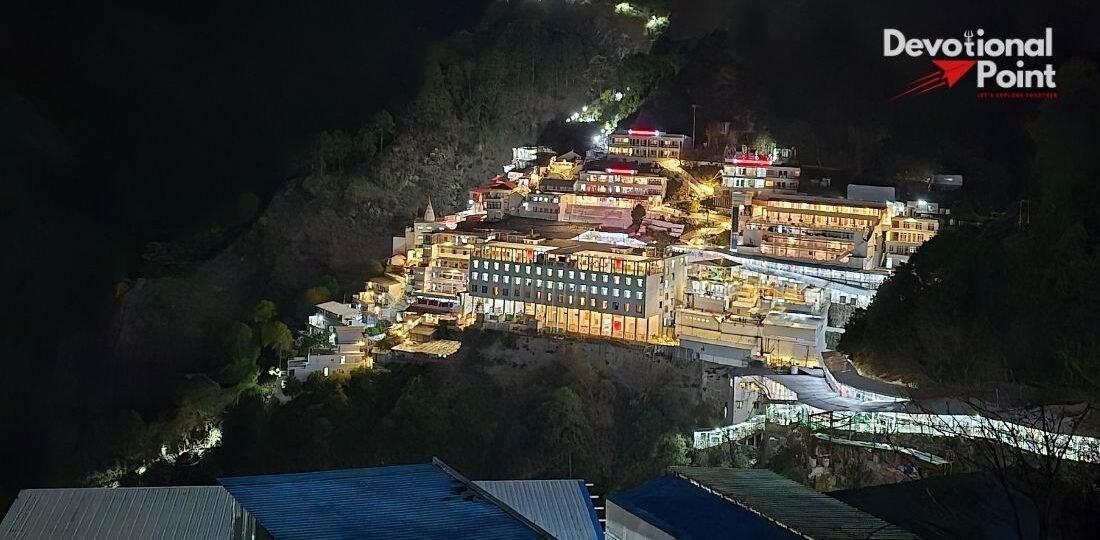
The best time to visit Vaishno Devi depends on what kind of pilgrimage experience you want. The Holy Shrine of Mata Vaishno Devi is open throughout the year, and devotees can undertake the Yatra in every season, but the experience can change considerably with weather, pilgrim numbers, school holidays, festivals and track conditions. The official Shri Mata Vaishno Devi Shrine Board specifically identifies summer months, Navratri periods and New Year vacations as peak-rush periods, while describing monsoon and winter as potentially better periods for pilgrims seeking a comparatively comfortable and less crowded journey.
The Vaishno Devi Yatra begins at Katra and continues through the Trikuta Hills toward Bhawan, where devotees receive Darshan of the naturally formed Holy Pindies inside the cave. The Shrine Board places Bhawan at approximately 5,200 feet and the traditional journey from Katra at around 12–13 km, meaning weather is not simply a sightseeing concern; it directly affects walking comfort, clothing, hydration and the overall pace of the pilgrimage. Katra can be substantially warmer than Bhawan, while temperatures become cooler as you gain altitude.
If your priority is pleasant weather and a manageable Yatra, the cooler months generally deserve serious consideration. If you want the atmosphere of Navratri, you should expect significantly greater crowds and plan accordingly. And if you are considering summer because of school holidays, remember that the Shrine Board identifies May, June and July among the periods that can experience heavy rush. In other words, there is no single magical month that is perfect for everyone; the right answer depends on whether you value weather, crowd levels, festivals or convenience most.
Best Months to Visit Vaishno Devi
| Month | Weather conditions | Crowd Potential | Travel experience |
|---|---|---|---|
| January | Cold, with winter conditions at higher elevations | Moderate to high around holidays | Suitable for winter travellers |
| February | Cool and comparatively quieter | Moderate | Good for fewer crowds |
| March | Pleasant and beginning of spring | High around Navratri periods | Excellent for families and trekking |
| April | Comfortable and generally pleasant | Moderate to high | One of the better months for pilgrimage |
| May | Warm and busy | High | Popular with families |
| June | Warm and busy | Very High | Suitable with early starts |
| July | Rainy and green | Variable | Good for nature lovers |
| August | Rainy with lush surroundings | Variable | Scenic but requires rain precautions |
| September | Pleasant after monsoon | Usually manageable, but variable | Good balance of weather and scenery |
| October | Pleasant but potentially very busy | Higher around festivals | Best for Navratri atmosphere |
| November | Cool and comparatively quieter | Moderate | Good for families and pilgrims |
| December | Cold, with winter conditions developing | Higher around holidays | Suitable for winter travellers |
Vaishno Devi in Spring (March and April)
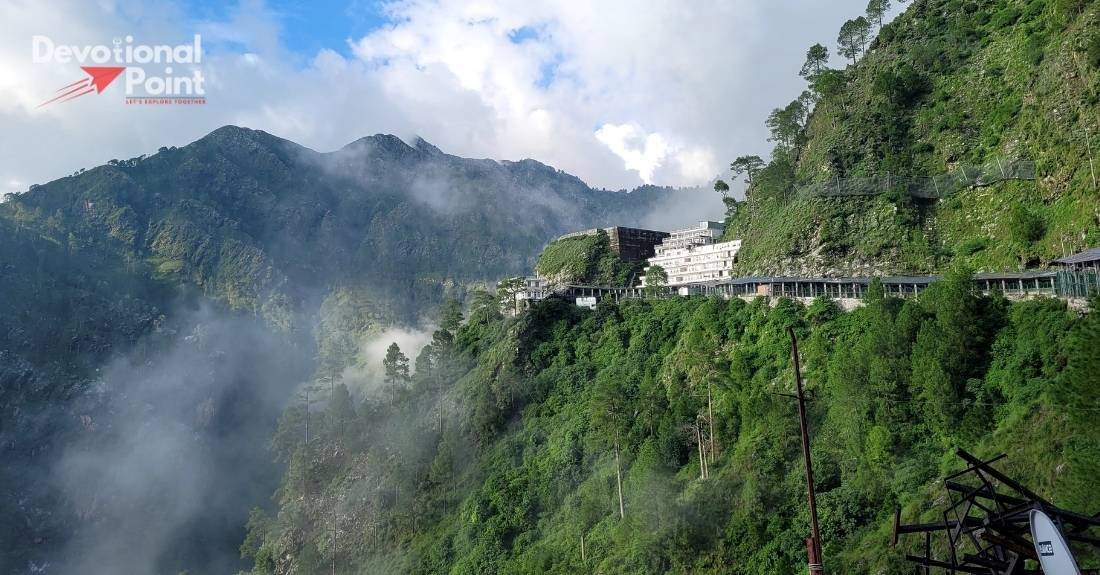
Spring is one of the most comfortable periods for a Vaishno Devi pilgrimage. Temperatures are generally pleasant, making the uphill journey easier than during the hotter summer months.
March and April are particularly suitable for families because the weather is usually neither extremely hot nor extremely cold. The surrounding hills also become greener as the season progresses.
Why visit during spring?
- Comfortable trekking conditions
- Pleasant daytime temperatures
- Cooler mornings and evenings
- Good conditions for families
- Beautiful mountain scenery
- Chaitra Navratri celebrations in March or April, depending on the year
If you are looking for a balance between weather and trekking comfort, Spring is one of the best seasons to visit Vaishno Devi, especially during March and April. The weather is generally pleasant, with neither extreme heat nor cold, making the journey more comfortable for trekking and sightseeing.
Vaishno Devi in Summer (May and June)
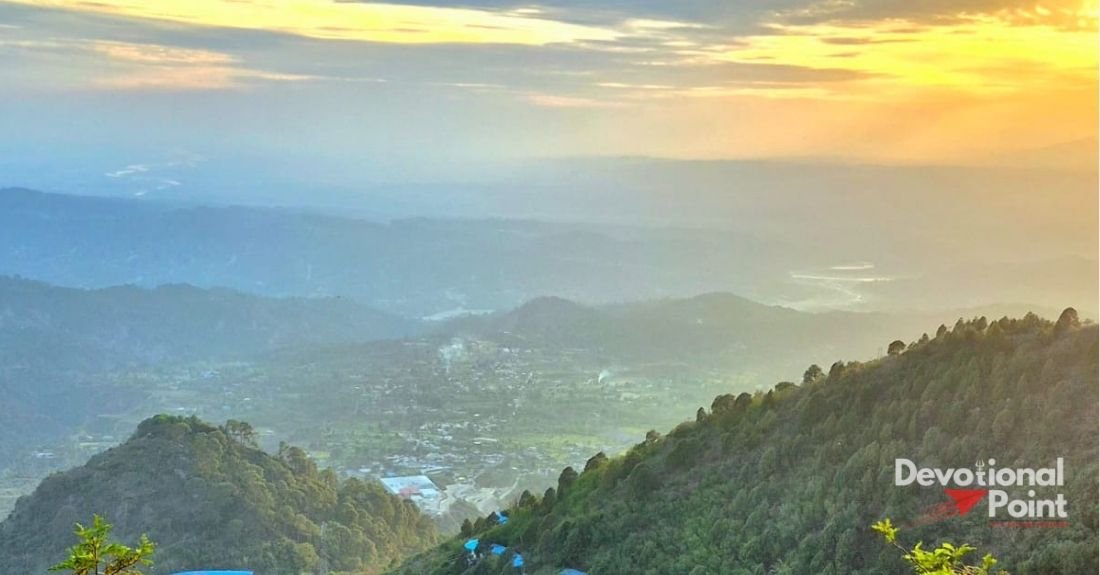
May and June are popular months to visit Vaishno Devi, especially because many families travel during the school holidays. The weather is warmer during the day, and the pilgrimage route can be more crowded during vacation periods.
Summer is still a suitable time to visit if you plan your journey properly. Try to start the trek during the cooler hours, drink plenty of water and take regular breaks, especially if you are travelling with children or elderly family members.
Summer is suitable for:
- Families travelling during school holidays
- Travellers who enjoy warmer weather
- Pilgrims who prefer longer daylight hours
- Visitors who don’t mind larger crowds
However, if avoiding crowds is your priority, it is better to avoid May and June, as school vacations can bring a higher number of pilgrims and tourists. If you do travel during these months, starting early and planning your trek in advance can make the journey more comfortable. Evenings can be cooler, so carrying a light jacket is also a good idea.
Vaishno Devi in Monsoon (July and August)
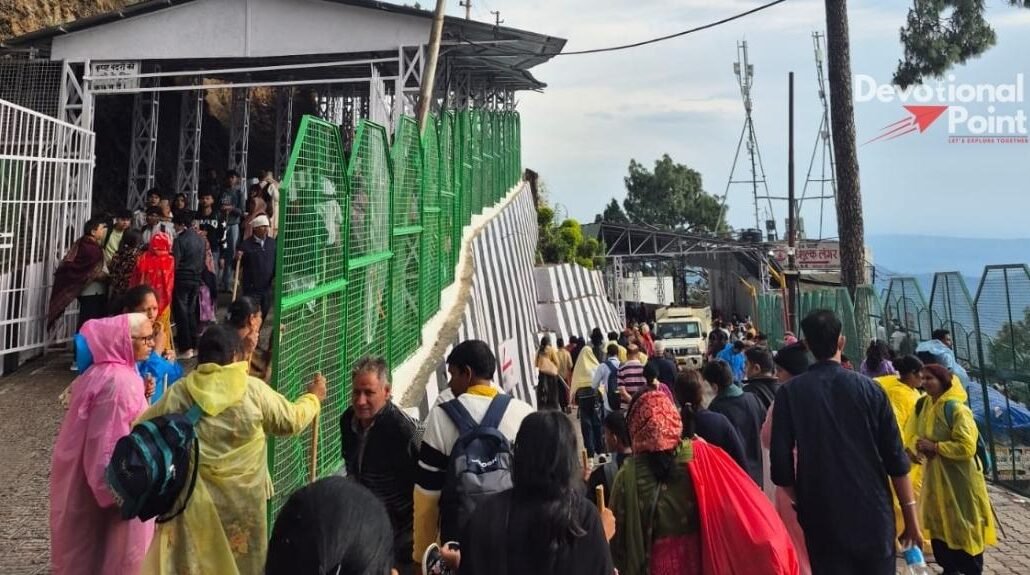
The monsoon changes the character of the Trikuta Hills. The surroundings become greener and the mountain landscape can look especially beautiful after rainfall.
However, rain can also make walking conditions more challenging. Wet and slippery sections of the route require extra care, particularly for elderly pilgrims and young children.
Carry suitable rain protection, including:
- A lightweight raincoat
- Waterproof or quick-drying footwear
- A waterproof bag cover
- Extra clothing
- A small umbrella if convenient
Monsoon can be a good option for travellers who enjoy greenery and quieter travel, but check the weather before beginning the trek.
Vaishno Devi in Autumn (September to November)
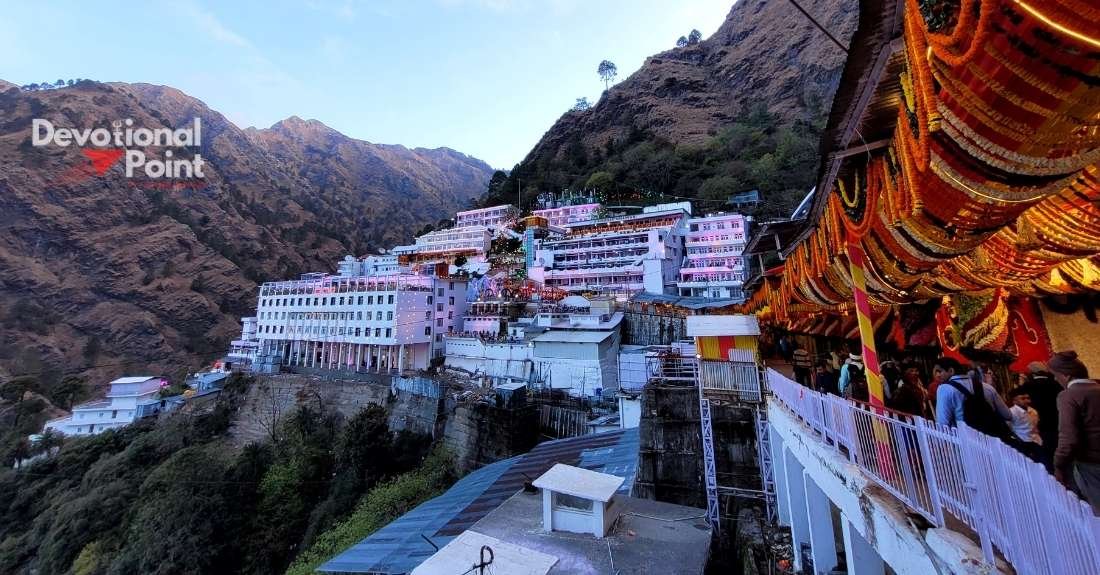
September to November is another excellent period for the pilgrimage. After the monsoon, the surrounding landscape can look fresh and green, while temperatures gradually become cooler.
October can be particularly busy because of Sharad Navratri, when large numbers of devotees visit the shrine. Therefore, October is best for pilgrims who specifically want to experience the festival atmosphere rather than those seeking a quieter journey.
November is generally more suitable if you want cooler weather and relatively fewer visitors after the major festival period.
Best choices during autumn
September: Good combination of pleasant weather and fresh scenery.
October: Ideal for devotees interested in Navratri, but expect heavier crowds around the festival.
November: Cooler weather and generally more comfortable crowd levels.
Vaishno Devi in Winter (December to February)
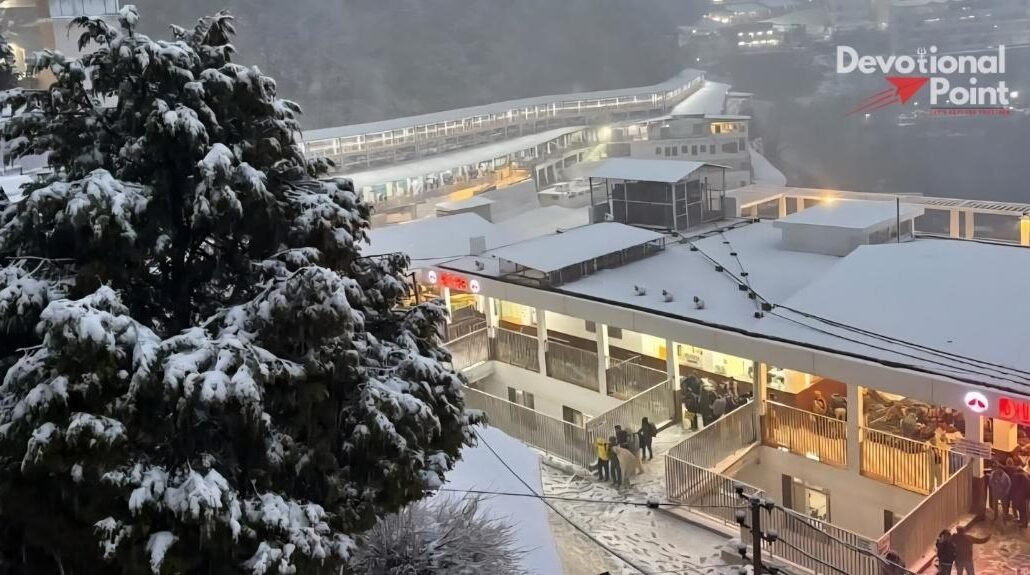
Winter brings colder conditions, particularly at higher elevations. Travellers visiting during this period should be prepared for low temperatures and changing mountain weather.
December, January and February are also the months to consider if seeing snow is one of your priorities. However, snowfall is not guaranteed on every visit, so it is better to treat it as a possibility rather than a certainty.
Higher areas around Bhawan and Bhairo Baba may experience colder conditions than Katra.
What to carry in winter
- Warm layers
- Thermal clothing
- Gloves
- Woollen cap
- Warm socks
- Comfortable footwear with good grip
Winter can be rewarding for travellers who enjoy cold weather, but it may be less comfortable for very young children or elderly pilgrims who are sensitive to low temperatures.
Best Time to Visit Vaishno Devi to Avoid Crowds
If you want a quieter pilgrimage, the month alone is not enough to determine crowd levels. Weekdays are generally preferable to weekends, while festivals, public holidays and school vacations can bring larger numbers of visitors.
For relatively quieter conditions, consider:
- February
- Early March
- Late November
- Weekdays outside major festivals
You may also want to avoid Chaitra Navratri, Sharad Navratri, major holidays and peak summer vacation periods if your main goal is to avoid heavy crowds.
Best Time to Visit Vaishno Devi With Family
Families and senior citizens should usually approach the question differently from young travellers who are comfortable walking for long periods in changing weather. The Yatra involves an uphill journey, and the Shrine Board recommends carrying appropriate seasonal clothing, comfortable footwear and essentials such as an umbrella and torch. Facilities including accommodation, catering, porters and other assistance are available, and registered Palkies can be used by pilgrims who need additional support.
For a first pilgrimage, a moderate-weather period outside the biggest festival and holiday rushes can make the experience less stressful. You have more mental space to focus on the spiritual side of the journey instead of constantly worrying about heat, extreme cold, rain or long waiting periods. Families with children should also consider the walking ability of everyone in the group rather than choosing dates purely because flights or trains are cheaper. A comfortable pilgrimage is a little like a well-paced trek: the goal is not to reach the destination as quickly as possible but to arrive with enough energy to appreciate the journey.
Frequently Asked Questions
1. Which month is best for visiting Vaishno Devi?
For many travellers, October and November can be excellent choices because temperatures are generally more comfortable for walking than during peak summer. However, festival dates and holidays can increase crowds, so current Yatra information should be checked before booking. September can also be attractive when weather conditions are favourable and crowd levels are manageable.
2. Is Vaishno Devi open throughout the year?
Yes. The Shri Mata Vaishno Devi Shrine is open throughout the year, and Darshan is available round the clock. However, weather conditions, track conditions, security measures and temporary administrative advisories can affect the practical planning of a particular journey.
3. Is winter a good time for the Vaishno Devi Yatra?
Yes, winter can be a beautiful time to visit, especially for travellers who enjoy cold mountain weather. The Shrine Board notes that December and January can experience snowfall and recommends heavy woollen clothing. Conditions can be considerably colder at Bhawan than at Katra, so suitable clothing and footwear are essential.
4. Is Vaishno Devi crowded during Navratri?
Yes. Chaitra Navratri and Sharad-Ashwin Navratri are among the periods identified by the Shrine Board as experiencing peak rush. Navratri can be an excellent choice if experiencing the religious festival atmosphere is your priority, but pilgrims should expect greater demand and plan accommodation, registration and travel arrangements well in advance.
5. What should I check before visiting Vaishno Devi?
Before starting the Yatra, check the official Shrine Board’s latest information regarding Yatra registration, weather, track conditions, crowd levels, accommodation and travel services. The Board specifically advises pilgrims to follow official weather and safety advisories and to postpone travel during adverse conditions. Use the official website rather than relying on unverified social media posts or unauthorised travel operators.
Vaishno Devi Tour Packages
Book now
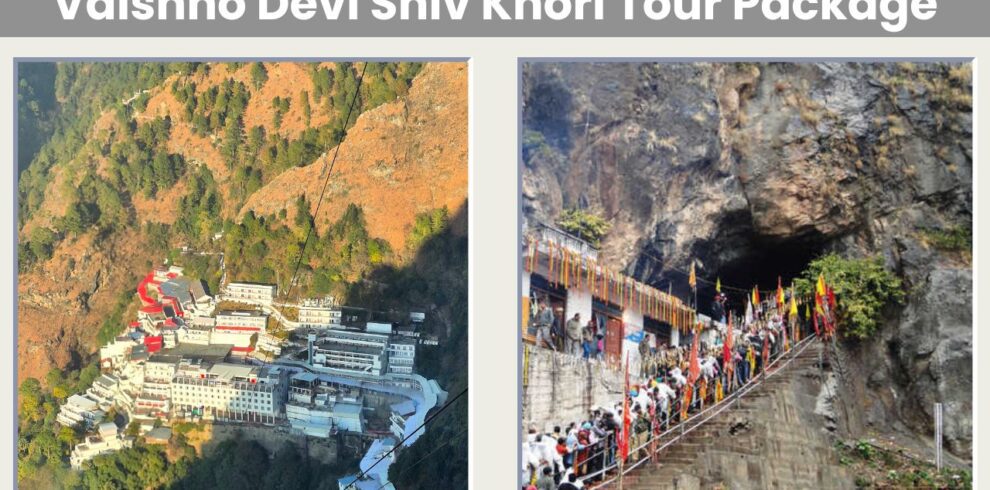
The Vaishno Devi Shiv Khori Tour Package 2 Night 3 Days from Katra is a perfectly curated pilgrimage for devotees who wish to seek blessings of Mata Vaishno Devi and Lord Shiva at Shiv Khori in one spiritually enriching journey. This package combines comfort, devotion,…
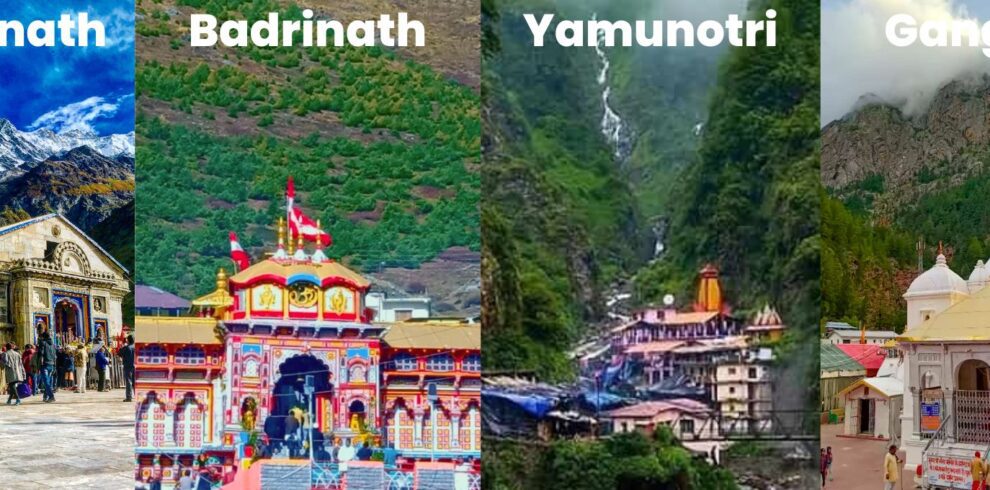
Chardham Yatra Package 2025 Includes – Yamunotri, Gangotri, Kedarnath and Badrinath Temple Darshan which is 11 nights and 12Days Tour Package starts from Delhi, Haridwar, Rishikesh or Dehradun. Embark on a spiritual journey with our exclusive Chardham Yatra Package 2025. This comprehensive tour package offers…
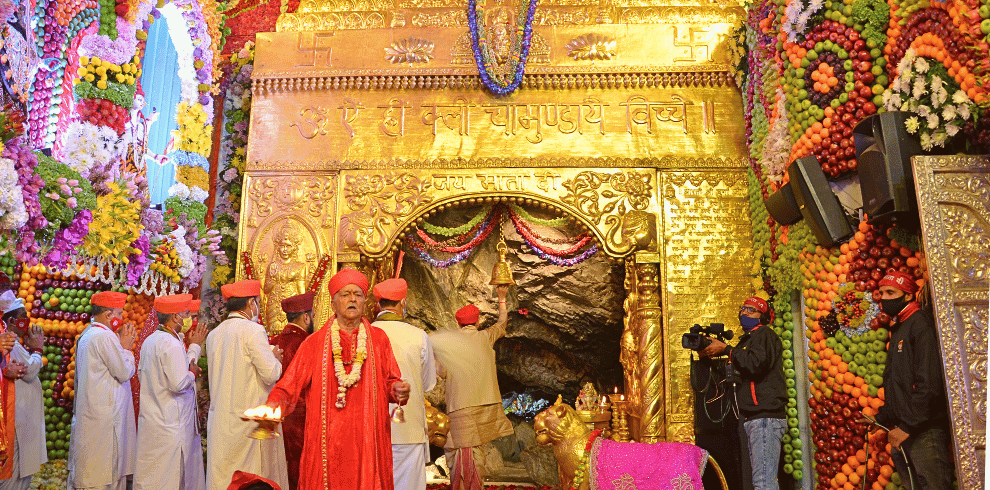
Here's how you can book your spot for the Vaishno Devi Attka Aarti Online Booking Procedure. The Aarti at Vaishno Devi is a sacred and special ritual, performed twice daily, where devotees have the opportunity to witness the divine prayers and offerings made to Mata…
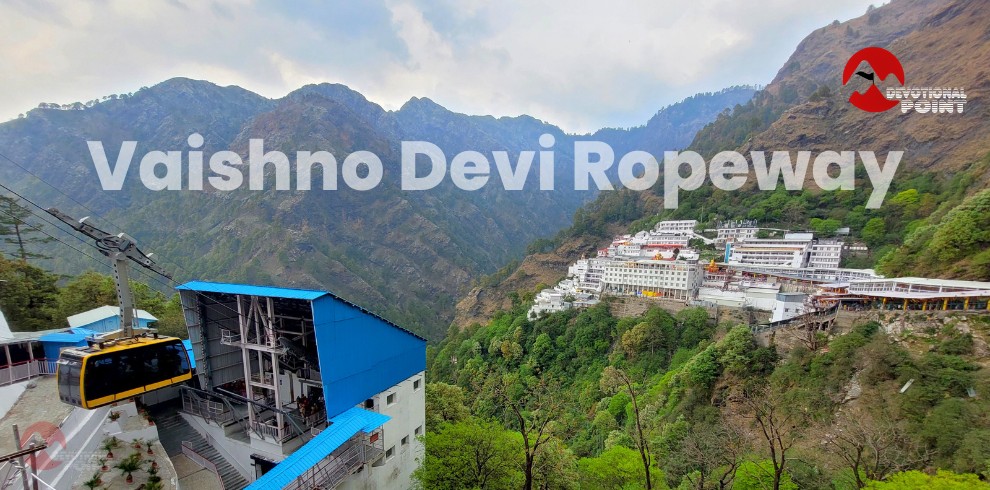
The Vaishno Devi Ropeway is a modern and efficient way to travel between Bhawan and Bhairo Ghati, offering pilgrims a quicker and more comfortable alternative to the steep climb. Here's how you can book tickets online for the ropeway service. Shri Mata Vaishno Devi Ropeway…
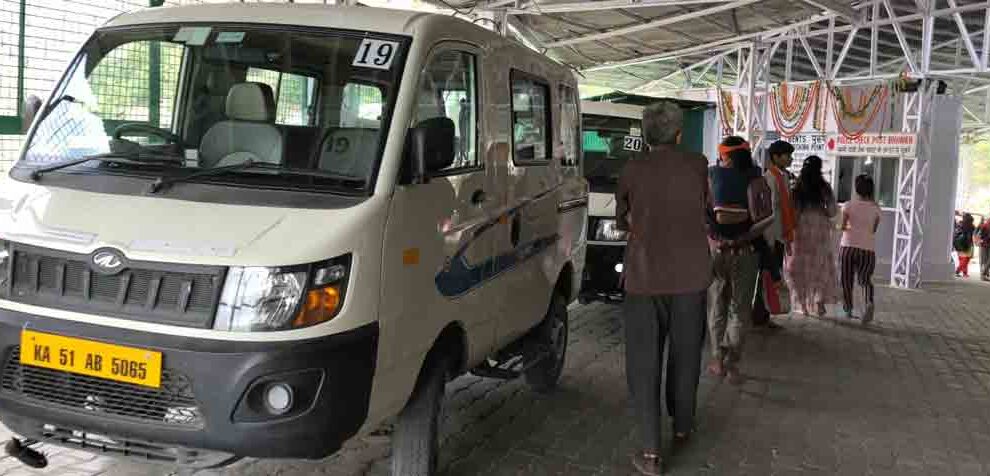
Vaishno Devi Battery car Online booking for Shri Mata Vaishno Devi Yatra which is 13.5km Yatra from Katra, which is basecamp of mata vaishno-devi yatra. Yatra Starts from Katra to Ardhkuwari via two routes one is old Route which is also known as Banganga Route…
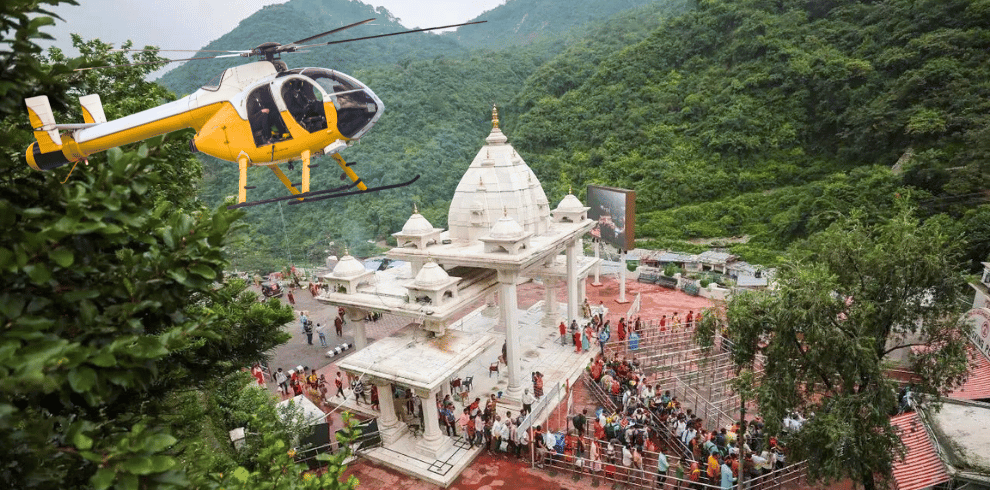
Booking a helicopter ride to Vaishno Devi is one of the most convenient ways to reach the sacred shrine, especially for those looking to save time or avoid the long trek. The helicopter service from Katra to Sanjichhat reduces the journey time significantly, making the…
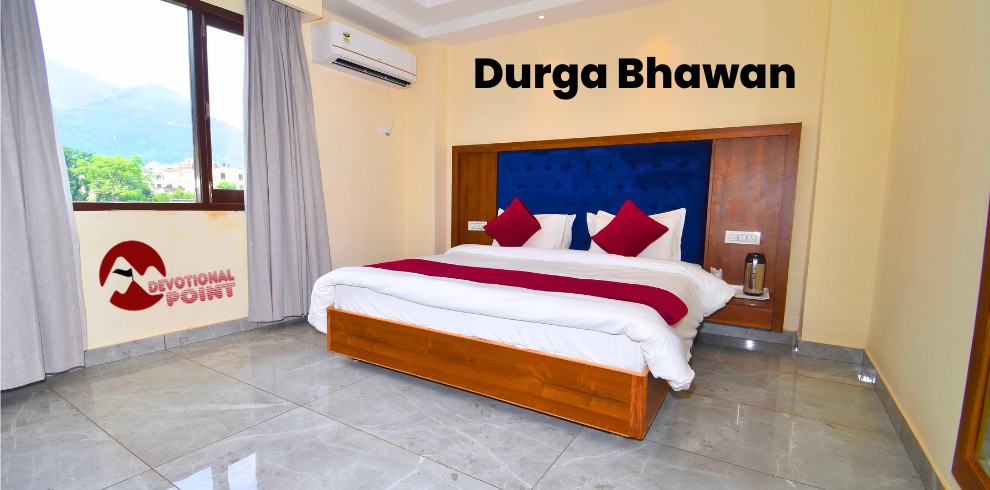
Are you looking for Vaishno Devi Bhawan Room Booking then book room only just Rs 1,200 at bhawan main temple premises. Vaishno Devi Bhawan, situated at an altitude of 5,200 feet, is the sacred shrine where millions of devotees come to seek the blessings of…