
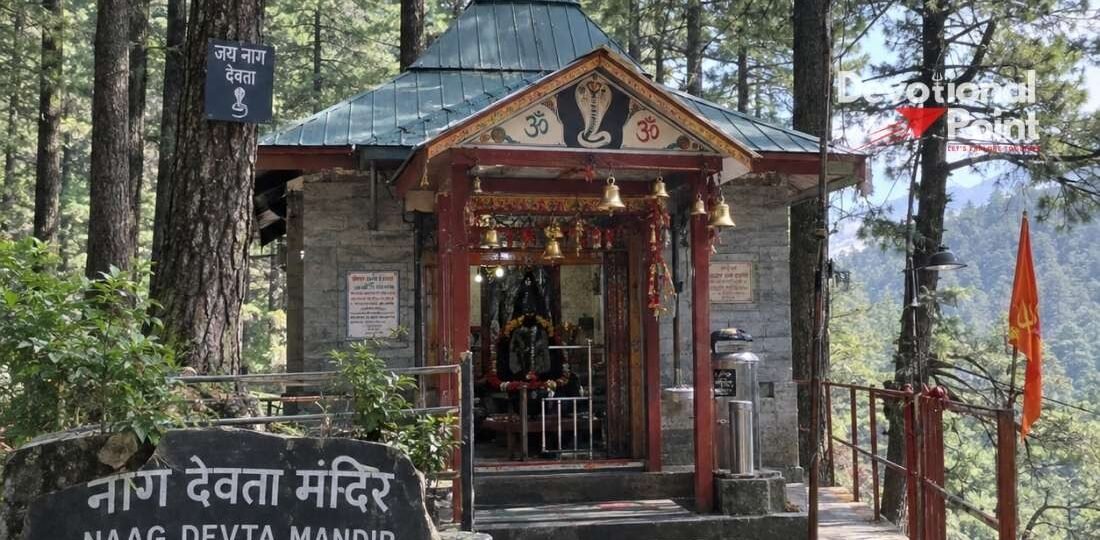
Naag Temple (also called Naag Mandir) is a revered hilltop shrine in Patnitop, Jammu & Kashmir, dedicated to the serpent god Naag Devta. Per local tradition and tourism sources, this largely wooden temple is over 600 years old. It sits quietly among pine forests and mountain meadows, offering panoramic views of the Pir Panjal range and the Chenab Gorge. Legend holds that this very spot was where Lord Shiva married Goddess Parvati, linking the temple to ancient Shaiva traditions. For pilgrims and travelers, Naag Temple combines natural beauty with spiritual heritage – its wooden architecture and peaceful setting make it a unique stop in Patnitop.
Unlike some of the larger pilgrimage destinations in Jammu, Naag Temple offers a relatively simple place of worship where visitors can spend time in prayer and enjoy the natural beauty of the surrounding hills. It is particularly worth visiting if you are planning a trip to Patnitop, Nathatop or nearby attractions and want to include a local religious site in your itinerary.
Before visiting, it is useful to understand the temple’s religious significance, location, expected timings, transport options and nearby places to explore. This guide to Naag Temple Patnitop covers the essential information you need to plan your visit, whether you are travelling from Jammu, Udhampur, Katra or another part of the region.
What Is Naag Temple Patnitop?
Naag Temple (Naag Mandir) is a hilltop Hindu temple dedicated to the serpent deity (Naag Devta). As a pilgrimage site, it ties into the Himalayan tradition of serpent worship, where nāgas are seen as guardians of springs and land. The temple’s construction is unusual: it is predominantly built of wood, with a carved wooden roof and a large courtyard. Unlike the typical stone shrines in the valley, Naag Temple has a rustic, hut-like character.
This temple is accessible by a short downhill path from the roadside – visitors descend a pine-shrouded gully and then climb back up on return. Inside, simple idols or images of the cobra (Nāga) deity are enshrined, and it is kept as a living temple rather than a museum relic.
The serene environment and smell of pine make Naag Temple a peaceful stop. It remains relatively quiet for most of the year, except during key festivals (see Best Time to Visit below). The silence of chanting bells and temple rituals amid the Himalayan woods creates a “soul-stirring” atmosphere of spirituality. Because of its historical ambience and spiritual importance, visitors often describe Naag Temple as both a nature retreat and a devotional site.
History and Religious Significance of Naag Temple
According to local beliefs, Baba Gabah, an Ichhadhari Naag (shape-shifting serpent deity), appeared at this place in the form of a celibate ascetic. It is believed that he later performed penance here and took the form of a pind, which is worshipped by devotees to this day. This is how Baba Gabah came to be associated with the temple and its religious traditions.
According to local faith, people who sincerely pray to Baba Gabah and ask for their wishes to be fulfilled believe that their prayers will be answered. Devotees tie a red thread at the temple while making a wish and praying for its fulfilment. Once their wish comes true, they return to the temple to pay their respects and organize a free community meal, known as langar, as a gesture of gratitude. These traditions make Baba Gabah Temple a place of religious significance, reflecting local beliefs, devotional practices, and the spirit of community service.
The Legend of Lord Shiva and Goddess Parvati
Naag Devta worship is closely connected with the wider religious traditions surrounding Lord Shiva. In Hindu iconography, a serpent is commonly depicted around Shiva’s neck, symbolising his mastery over fear, death and destructive forces. Serpents also appear in stories associated with Shiva and other Hindu deities.
Goddess Parvati, as Shiva’s divine consort, is worshipped alongside him in many Himalayan religious traditions. Stories about Shiva and Parvati are particularly prominent in the cultural and spiritual life of the Himalayan region, where mountains, forests, springs and caves frequently feature in religious narratives.
These wider beliefs help explain why serpent deities hold an important place in many local traditions. However, a specific legend linking Lord Shiva and Goddess Parvati directly to the establishment of Naag Temple Patnitop should not be treated as documented history unless supported by a reliable local or temple source.
For visitors, the most useful way to understand the temple’s significance is to view it within this wider tradition of Hindu worship, in which serpents can represent divine power, protection and the relationship between people and nature.
Location of Naag Temple Patnitop
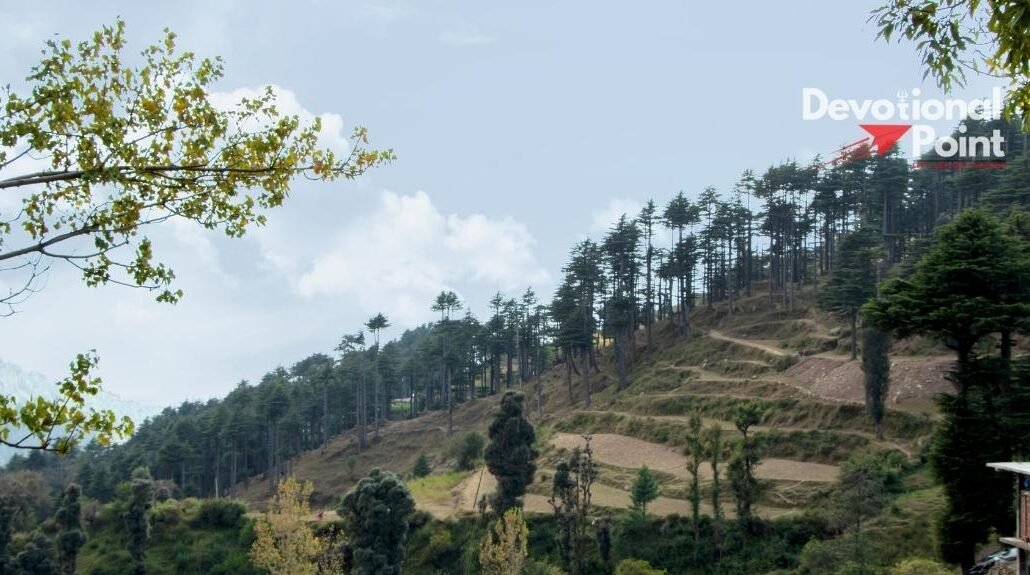
Naag Temple is located on the Patnitop plateau in the Udhampur district of Jammu & Kashmir. Specifically, it lies about 2 km from the main Patnitop settlement, off the Jammu–Srinagar highway (NH-44). Its hilltop position at roughly 2,000+ meters above sea level places it amid dense deodar and pine forests with expansive valley views. The temple is accessible by road up a branch from NH-44; travelers typically park near the highway and walk down a gently sloping path to the shrine.
Patnitop itself is a popular hill resort between Udhampur and Ramban. For orientation: Jammu city is about 110 km south of Patnitop, so Naag Temple is a 3–4 hour drive from Jammu. The nearest railway station is Udhampur (approximately 47 km away). Patnitop is also about 80–85 km from Katra (the Vaishno Devi base) by road, making Naag Temple reachable as a day trip for devotees of the famous Vaishno Devi shrine (though this 80–85 km figure is a rounded estimate; travel sites give Katra–Patnitop road distance in that range).
Naag Temple Patnitop Timings and Entry Information
The temple is open daily from early morning until evening. Most sources agree on a schedule roughly 6:00 AM to 10:00 PM. Visitors should note that these times can vary slightly by season or local custom, so it’s wise to confirm locally on the day of travel. Raahzo’s guide also suggests visiting in the early morning for a quieter experience.
There is no entry fee to visit Naag Temple in Patnitop. Visitors can enter the temple and offer their prayers without purchasing a ticket.
| Attribute | Information |
|---|---|
| Temple Name | Naag Temple (Naag Mandir) |
| Location | Patnitop plateau, Udhampur dist., J&K |
| Deity | Naag Devta (Serpent God) |
| Established | ~600+ years old (local tradition) |
| Architecture | Mostly wooden, with a carved wooden roof and courtyard amid pine forests |
| Timings | Typically 6:00 AM – 10:00 PM (daily) |
| Entry Fee | None (donations voluntary) |
| Popular Festival | Naag Panchami (special pujas in Shravan month) |
| Typical Visit Duration | About 30–60 minutes for darshan and a short walk |
Best Time to Visit Naag Temple
Patnitop’s climate is pleasant year-round but varies by season. According to travel guides, the best time to visit Naag Temple is from March through June. In spring and early summer, the weather is cool and clear, wildflowers bloom in the meadows, and the mountain skies are generally clear – ideal for sightseeing. Late September through November (autumn) is also nice, with crisp air and post-monsoon views.
If you prefer avoiding crowds, avoid the Naag Panchami festival (July/August), as Naag Temple becomes very crowded with pilgrims on that day. (However, if you want a cultural experience, attending Naag Panchami prayers here is memorable, with special pujas and music.) Monsoon (July–August) brings lush green surroundings but also some rain; if you go in monsoon, carry rain gear. Winter (Dec–Feb) can be snowy in Patnitop. The temple area will be quite cold and possibly snow-covered, but that also gives a beautiful winter scene. Visitors in winter should bring warm clothing and sturdy shoes or booties for ice and snow. In summary:
Dec–Feb (Winter): Cold and snowy – scenic winter views, but some trails may be slippery.
Mar–Jun (Spring/Summer): Cool, sunny days – ideal for trekking and photography.
Jul–Aug (Monsoon/Naag Panchami): Green landscapes and festivals – expect crowds on Naag Panchami.
Sep–Nov (Autumn): Clear, crisp weather – good visibility and fewer clouds.
Visiting During Naag Panchami
Naag Panchami is an important Hindu festival dedicated to the worship of serpent deities. It is observed on the fifth day of the bright half of the lunar month of Shravana, with the corresponding Gregorian date changing each year.
The festival is particularly relevant to a temple dedicated to Naag Devta. Devotees may visit to offer prayers and observe traditional customs, although the exact rituals and arrangements at Naag Temple Patnitop should be confirmed locally.
If you plan to visit during Naag Panchami, keep these points in mind:
- Confirm the festival date for the year of your visit using a reliable Hindu calendar.
- Ask locally whether any special puja or community gathering is planned.
- Expect that the temple may be busier than on an ordinary day.
- Arrive early if you prefer a quieter visit.
- Follow the instructions of temple staff and local worshippers.
- Avoid feeding or handling snakes; worship should never involve disturbing wildlife.
Visiting during the festival may offer a deeper understanding of local traditions, but you do not need to travel on Naag Panchami to appreciate the temple’s religious significance.
How to Reach Naag Temple Patnitop

By Road: Naag Temple is conveniently reached by road via the Jammu–Srinagar National Highway (NH-44). From Jammu city, take NH-44 north. After Udhampur, proceed towards Patnitop. The total distance from Jammu to Patnitop is about 110 km (3–4 hours drive). Shortly before Patnitop town, turn off the highway onto a smaller road that leads up the hill (often signposted for Sudh Mahadev/Naag Temple). The temple sits near the road at Patnitop, so once you park at the roadside lot, you walk a short distance (and downhill on return) to reach it.
By Train: The nearest major railway station is Udhampur (approximately 47 km away). Udhampur is well-connected to Jammu and other cities. From Udhampur station, you can hire a taxi or take a bus towards Patnitop. Jammu Tawi station is farther (~110 km) and is also an option if you come by train.
By Air: The closest airport is Jammu Airport (IXJ), about 115–120 km from Patnitop. After landing in Jammu, travelers typically rent a car or take a taxi/bus north on NH-44 towards Udhampur and Patnitop. From any of these access points, the final approach to Naag Temple is the same small road from Patnitop’s roadside parking area.
Tip: For road travel, the Chenani–Nashri (Syama Prasad Mookerjee) Tunnel on NH-44 has dramatically cut the travel time from Jammu to this region. From the tunnel exit at Chenani, Patnitop is about another 20 km up the hill. Always check road conditions (especially in winter) before starting, as Himalayan weather can sometimes cause delays.
Architecture and Surroundings of Naag Temple
The temple’s architecture is distinctive. It is a completely wooden structure, with a sloping multi-tiered roof and wooden pillars supporting the courtyard. Unlike stone temples in the plains, Naag Temple has an earthy, forest-hut feel. Raahzo’s guide highlights that it “looks over the magnificent view of the Chenab Gorge”, meaning the temple sits on a ridge giving sweeping vistas. The walls and shrine are made from carved timber beams, and some of the woodwork may feature serpent motifs or carved imagery.
Surrounding the temple is a peaceful pine and deodar woodland. Visitors enter through a courtyard of pine needles and nearby tall pine trees. The trek down to the temple (and back up) is along a narrow dirt path through these forests. The natural setting is a major attraction: travelers often note the sharp contrast between the quiet forest (filled with birdsong and temple bells) and the distant hum of the highway. From various points around the temple, one can see terraced fields and the deep gorge of the Chenab river far below. The picnic-like atmosphere and cool mountain air make it a relaxing place to linger.
Inside the temple, the sanctum holds the idol or emblem of the serpent deity. (Raahzo mentions taking a quiet moment to “look at the carved timber” of the shrine.) The atmosphere inside is dim and consecrated, with oil lamps and bells. Because it is an active shrine, visitors will see local worshippers tying red threads on trees, offering milk to small snake images, and ringing the bell.
Things to Know Before Visiting Naag Temple
- Footwear & Steps: The temple approach involves a downhill walk of roughly 200–300 meters from the road parking. On the way back, you climb the same path, which can feel steep if you walk briskly. Wear sturdy walking shoes with good grip – especially in wet or winter conditions. Those with mobility issues should note that there are steps and uneven ground, so you may need assistance climbing back up.
- Shoes Off: As with Hindu temples generally, you must remove your shoes before entering the inner shrine. Keep your socks or feet covered, and place shoes neatly at the entrance.
- Dress Modestly: Visitors should dress respectfully (covering shoulders and knees). The site is a place of worship, and even casual visitors are expected to be decorous.
- No Photography Inside: Photography is allowed in the courtyard and exterior only. Don’t attempt to photograph or video inside the sanctum. It is said there is a local belief (“curse”) on those who photograph the deity, and temple staff will politely ask you not to do so. Respect these instructions.
- Timing: Plan to spend about 30–60 minutes at the site. This allows time for a slow walk through the area, offering prayers, and returning uphill. If you intend to picnic or rest longer in the meadows after darshan, add extra time. (Travel guides often suggest 1–2 hours total.)
- Facilities: There are no formal restrooms at the temple itself – only basic facilities near the parking area. Carry water and snacks if needed. Some local vendors set up small stalls at the base, selling prayer items, simple snacks, or woolen garments (Patnitop is known for “Patisa” sweets and warm shawls). Inspect items carefully if buying, and pay attention to changing weather conditions. Do not litter or feed wildlife (monkeys are sometimes present).
- Crowds: Outside of festivals, Naag Temple is usually not very crowded, but there may be local tourists and families on holiday. If you prefer solitude, visit early in the morning or a weekday. Festival days (Naag Panchami, Shravan Mondays) can be very crowded.
- Safety: Keep track of children near any slopes. The path gets narrow in places, and there are gentle drop-offs. Also beware of slippery pine needles when wet. The temple premises generally feel safe, but always be mindful of your belongings on busy days.
- Local Advice: When in Patnitop village or hotels, don’t hesitate to ask locals or guides for directions. Raahzo’s guide even suggests confirming the route with your hotel or driver to ensure you don’t miss the correct turnoff.
Places to Visit Near Naag Temple Patnitop
Patnitop is rich in natural and cultural sights. After visiting Naag Temple, consider exploring some nearby attractions:
- Sudh Mahadev Temple (Mantalai): About 6 km beyond Naag Temple up the hill towards Mantalai, the Sudh Mahadev shrine is another ancient temple dedicated to Shiva. It features a natural rock Shivling and a legend involving Bhima (Pandava) called “Sudh” meaning drop. Many visitors combine Naag Temple and Sudh Mahadev in a single trip. (Jagat Travels notes “Visit Sudh Mahadev Temple via Chenani (45 km) and Mantalai (6 km from the [Nag Temple])”.)
- Nathatop: A hilltop meadow 12–15 km from Patnitop, Nathatop offers panoramic Himalayan views. There is a Shiva temple at the top and opportunities for skiing in winter. Jagat Travels and e-tourism both recommend Nathatop as a nearby scenic spot.
- Sanasar Lake: ~20 km from Patnitop, Sanasar is a beautiful twin meadow with a small lake. It’s known for paragliding and serene picnic lawns. The journey there is winding but scenic.
- Kud Town: On the road between Udhampur and Patnitop, Kud is famous for its local sweet “Kud Patisa.” It’s a good spot to stop for refreshments on the way up to Patnitop.
- Patnitop Meadows & Circular Road: The Patnitop plateau itself has gentle hills and woods. A drive or walk around the Patnitop circular road yields many lookouts, especially near Pine View (a park) and Kud, ideal for short nature breaks.
- Skyview Patnitop (Gondola Ride): A modern attraction, the Skyview Gondola provides cable-car access from Sanget Valley up to Patnitop, cutting travel time and offering aerial views. It’s often paired with sightseeing, although it’s not adjacent to Naag Temple.
Combine these based on your time. If you have only a short visit, focus on Naag Temple plus one or two nearby sights (for example, Naag Temple + Sudh Mahadev, or Naag Temple + Nathatop).
Suggested Itinerary for Visiting Naag Temple
If you are staying in Patnitop, you can usually plan a temple visit alongside nearby sightseeing without dedicating an entire day to the temple alone. The following is a flexible one-day outline rather than an official tour schedule.
| Approximate time | Activity | Planning notes |
|---|---|---|
| 8:00–9:00 AM | Breakfast in Patnitop | Start early for a relaxed day |
| 9:00–10:00 AM | Visit Naag Temple | Allow time for prayer and local directions |
| 10:00–11:30 AM | Explore Patnitop viewpoints | Adjust the plan according to visibility |
| 11:30 AM–1:00 PM | Travel towards Nathatop, if accessible | Check road and weather conditions |
| 1:00–2:00 PM | Lunch or refreshments | Choose a convenient local stop |
| 2:00–4:00 PM | Continue sightseeing or return to Patnitop | Keep the afternoon flexible |
| Evening | Return to your hotel | Avoid rushing on mountain roads |
If you are visiting from Jammu or Katra for a single day, start earlier and consider limiting the number of attractions. The return drive can take longer than expected during traffic, fog, rain or snowfall.
For a more relaxed trip, stay overnight in Patnitop and visit Naag Temple in the morning. This also gives you more flexibility if weather conditions affect your plans.
Frequently Asked Questions
1. Where is Naag Temple located in Patnitop?
Naag Temple is situated in the scenic hill station of Patnitop, in Jammu and Kashmir’s Udhampur district. Dedicated to Naag Devta, the temple is a popular stop for pilgrims and tourists who want to explore the region’s religious heritage alongside its mountain scenery.
2. How far is Naag Temple from Patnitop?
Naag Temple is within the Patnitop tourist area, so it can be included in a local sightseeing trip. The exact distance depends on where you start, such as your hotel or the main meadow. If you are travelling by taxi, ask the driver to confirm the nearest access point before setting off.
3. What are the timings of Naag Temple?
Naag Temple in Patnitop is generally reported to be open daily from 6:00 AM to 10:00 PM. However, timings may vary depending on the season, weather conditions and local religious events. Visitors are advised to confirm the current timings locally before planning their visit.
4. What is the history of Naag Temple in Patnitop?
Naag Temple is a traditional shrine dedicated to Naag Devta, a serpent deity revered in Hindu belief. Local folklore links the surrounding area with Lord Shiva and Goddess Parvati, and some versions of the story associate it with their divine marriage. The temple is also recognised for its traditional wooden design. Although some tourism accounts describe it as more than 600 years old, this age is best understood as a traditional account rather than a historically verified date.
5. What is the best time to visit Naag Temple?
For comfortable sightseeing, consider visiting Naag Temple between March and June or September and November, when Patnitop is generally suitable for outdoor exploration. If you want to experience the temple during a religious occasion, plan around Naag Panchami, when devotees worship Naag Devta. Winter visits can also be memorable, but check the weather and road conditions before travelling because snowfall may affect access.
Book Patnitop Tour Package Now
Patnitop Tour Package
Book Now
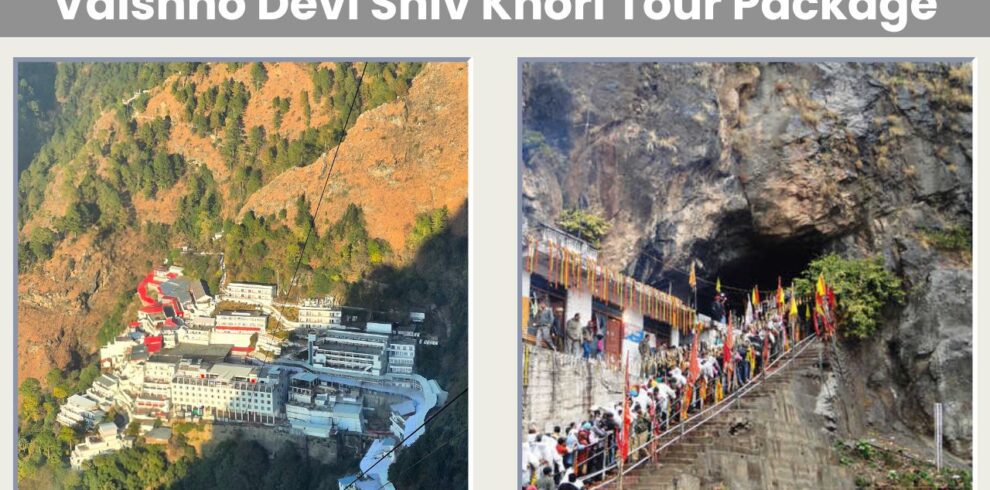
The Vaishno Devi Shiv Khori Tour Package 2 Night 3 Days from Katra is a perfectly curated pilgrimage for devotees…
Dehradun Tour Package Explore the spiritual essence for and natural beauty of Uttarakhand with Devotional Point Tour & Travels, your…
Are you dreaming of an unforgettable honeymoon or a luxurious escape amidst breathtaking natural beauty? Look no further than Kashmir,…

Are you dreaming of a honeymoon that combines romance, adventure, and unforgettable landscapes? Look no further than the stunning beauty…

Are you dreaming of a honeymoon that combines romance, adventure, and unforgettable landscapes? Look no further than the stunning beauty…
Looking for a perfect blend of adventure and spirituality? The Chopta Tungnath Package from Delhi is exactly what you need….