
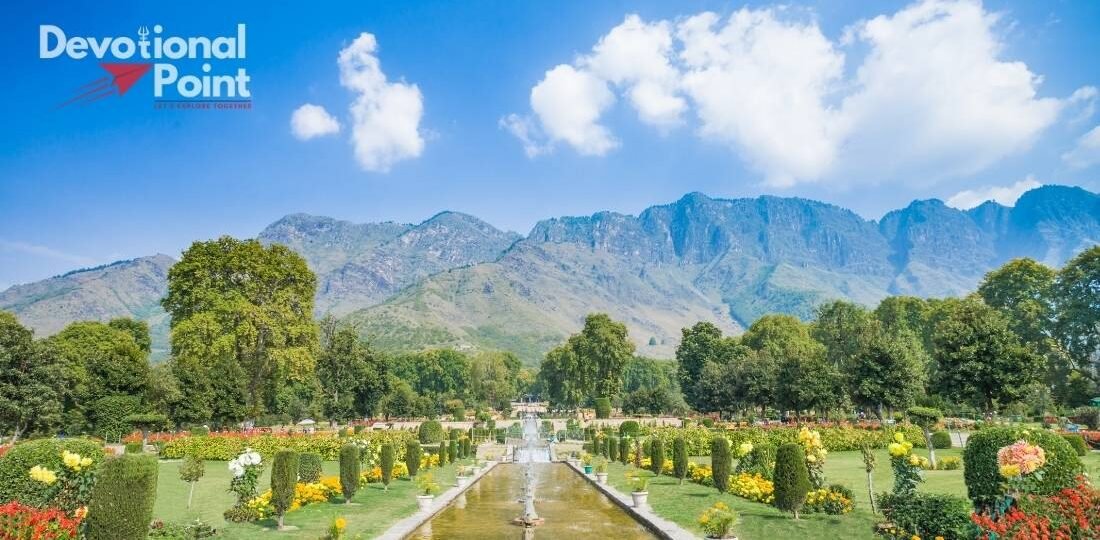
Nishat Bagh is one of the most beautiful Mughal gardens in Srinagar, known for its magnificent terraced layout, historic Chinar trees, colourful flowerbeds and breathtaking views of Dal Lake. Located along the eastern bank of Dal Lake, with the Zabarwan Mountains rising behind it, this historic garden offers a wonderful combination of Mughal architecture and Kashmir’s natural beauty.
Built in the 17th century by Asif Khan, the brother of Empress Nur Jahan, Nishat Bagh is popularly known as the Garden of Joy or Garden of Gladness. Its twelve terraces, flowing water channels, fountains and peaceful green lawns make it an important attraction for visitors exploring Srinagar.
Whether you are interested in Mughal history, photography, sightseeing or simply spending a peaceful afternoon surrounded by nature, Nishat Bagh is worth including in your Srinagar travel itinerary.
In this guide, you will find everything you need to know about Nishat Bagh Srinagar, including its history, entry fee, timings, architecture, twelve terraces, best time to visit, how to reach and nearby attractions.
Why Is Nishat Bagh Famous?
Nishat Bagh is famous for its beautiful Mughal-style architecture, twelve ascending terraces and impressive location beside Dal Lake. Unlike ordinary gardens, its design uses the natural slope of the Zabarwan Mountains to create a series of landscaped levels connected by a central water channel.
The garden offers several attractions within one historic complex. Visitors can walk through green lawns, admire colourful seasonal flowers, relax beneath old Chinar trees and enjoy views of Dal Lake and the distant mountains.
Some of the main highlights include:
- Twelve Terraces: A distinctive garden layout traditionally associated with the twelve zodiac signs.
- Central Water Channel: A beautiful watercourse running through the garden, connecting its different levels.
- Chinar Trees: Large trees that provide shade and create a particularly beautiful atmosphere during autumn.
- Fountains and Water Cascades: Traditional Mughal water features that add charm to the garden.
- Dal Lake Views: Attractive views of the lake, surrounding mountains and Kashmir Valley.
- Historic Architecture: Stone pathways, terrace walls, fountains and other Mughal-era design elements.
Nishat Bagh is also a popular place for families, couples, photographers and local visitors who want to enjoy a peaceful outdoor setting.
History of Nishat Bagh Srinagar
The history of Nishat Bagh takes visitors back to the glorious Mughal period, when Kashmir became an important destination for royal retreats, summer residences and magnificent landscape gardens. Mughal rulers and noble families were deeply attracted to the natural beauty of the valley, particularly its lakes, mountains, flowing streams and pleasant climate. They introduced Persian-inspired garden designs and adapted them to Kashmir’s unique geographical conditions. Nishat Bagh is one of the finest surviving examples of this architectural and horticultural tradition.
The garden was established during the seventeenth century and became an important part of Kashmir’s Mughal heritage. Its location was carefully selected along the eastern side of Dal Lake, where the natural slope of the Zabarwan hills could be used to create a series of beautiful terraces. Instead of constructing a conventional flat garden, its designers used the hillside to develop a distinctive arrangement of landscaped levels and flowing water. This approach created an impressive visual effect, with water descending from the upper sections towards the lake.
Over the centuries, Nishat Bagh has remained one of Srinagar’s most treasured historical attractions. Although weather, changing political circumstances and the passage of time have affected different parts of the garden, its essential character has survived. Today, visitors can still admire the traditional Mughal layout, historic water features, mature trees and spectacular views that made the garden famous centuries ago.
Who Built Nishat Bagh and When?
Nishat Bagh was designed and built in 1633 by Asif Khan, the elder brother of Empress Nur Jahan. He was an influential nobleman during the reign of Mughal Emperor Shah Jahan and played an important role in the royal court. His decision to establish the garden along Dal Lake reflected the Mughal appreciation for beautiful landscapes and carefully planned outdoor spaces.
Asif Khan selected a location where the mountains, lake and natural water supply could become important elements of the garden’s design. The result was a remarkable landscaped space featuring multiple terraces, fountains, flowering plants and a central watercourse. The garden was not simply intended to provide an attractive place for walking. It also represented the artistic taste, wealth and cultural influence of the Mughal nobility.
The garden’s association with Asif Khan gives it additional historical importance. While several Mughal gardens in Kashmir were closely connected with emperors and royal residences, Nishat Bagh was created by a powerful nobleman. Its design demonstrates how Mughal garden culture extended beyond the emperor’s personal projects and influenced the broader aristocratic world.
Nishat Bagh Entry Fee and Ticket Price
Visitors need to purchase an entry ticket to explore Nishat Bagh. The admission charges may vary according to visitor category and applicable garden regulations.
According to the latest available 2026 fee information, the revised charges for the Srinagar Mughal gardens are as follows:
| Visitor category | Entry fee |
|---|---|
| Indian adult | ₹50 |
| Indian child below 12 years | ₹25 |
| Child up to 3 years | Free |
| Foreign visitor | ₹200 |
Important: Carry some cash for ticket purchases and small expenses. If you are visiting with a group, confirm the applicable group or child admission policy at the counter.
Nishat Bagh Srinagar Timings and Opening Hours
Knowing the opening and closing hours is important because it helps you organise your sightseeing schedule without rushing through the garden. Nishat Bagh is generally listed as opening at 9:00 AM and closing around 7:00 PM during the main visiting season.
| Visitor information | Details |
|---|---|
| Opening time | 9:00 AM |
| Closing time | Around 7:00 PM |
| Best visiting hours | 9:00 AM–11:00 AM |
| Recommended visit duration | 1.5–2.5 hours |
| Location | Eastern bank of Dal Lake, Srinagar |
If you want to enjoy the garden without large crowds, arrive shortly after opening. Early mornings are especially attractive because the weather is generally pleasant, the surroundings are quieter and the sunlight creates beautiful photographic conditions. You can explore the lower terraces, walk towards the upper levels and enjoy the views without feeling hurried.
Late afternoon is another good option, particularly for visitors interested in photography. The softer sunlight falling across Dal Lake and the Zabarwan Mountains creates a lovely atmosphere. However, avoid arriving too close to closing time because the garden is large and you may not have enough time to explore its different sections.
Why Is Nishat Bagh Called the Garden of Joy?
The name Nishat Bagh comes from the Urdu word associated with happiness, delight and pleasure. Therefore, it is widely known as the Garden of Joy or Garden of Gladness.
The peaceful lawns, flowing water, colourful flowers, shaded pathways and beautiful lake views make the name particularly appropriate.
For centuries, the garden has provided visitors with a place to enjoy nature, relax and admire the artistic achievements of the Mughal period.
The Twelve Terraces and Their Significance
One of the most beautiful features of Nishat Bagh is its twelve terraces, which are traditionally believed to represent the twelve zodiac signs. Built along the natural slope of the hillside, these terraces rise gradually from the banks of Dal Lake towards the mountains. Each level has its own charm, with colourful flowerbeds, green lawns, shady trees and flowing water adding to the garden’s beauty.
The twelve-terrace design reflects the creativity and architectural skills of the Mughal era. Instead of seeing the hillside as a challenge, the designers used its natural slope to create a stunning garden. As you walk from one terrace to another, the scenery changes, offering lovely views of the garden, Dal Lake and the mountains beyond.
Every terrace gives visitors a chance to pause, enjoy the peaceful surroundings and capture beautiful photographs. The central water channel runs through the garden, connecting the different levels, while fountains and small waterfalls create a refreshing atmosphere. The higher terraces are especially popular because they offer wonderful views of Dal Lake and the surrounding landscape.
Although parts of the original garden have changed over the years, the twelve-terrace layout remains an important part of Nishat Bagh’s history and identity. It is this thoughtful combination of Mughal design, natural beauty and scenic views that makes the garden such a special place to visit.
Water Channels, Fountains and Chinar Trees
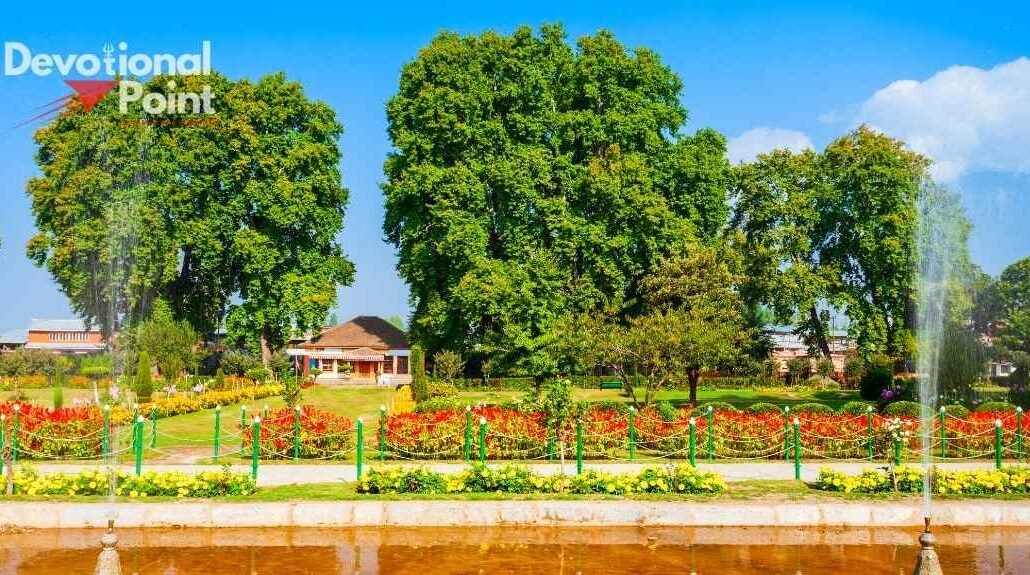
Water is one of the most important features of Nishat Bagh. The garden’s central water channel begins at the upper level and flows down through the terraces, creating a beautiful sequence of fountains, pools and cascading sections. The sound of moving water adds a peaceful quality to the atmosphere, making the garden feel refreshing even during warmer days.
The fountains are particularly attractive when the water system is operating. Their traditional design reflects the Mughal interest in combining practical water management with visual decoration. Stone channels and small cascades guide the water through different sections, while the surrounding greenery creates an attractive natural setting.
Another major attraction is the presence of Chinar trees. These large trees are among Kashmir’s most recognisable natural symbols. Their broad canopies provide shade during summer, while their leaves turn beautiful shades of yellow, orange and red during autumn. Walking beneath these trees is one of the most enjoyable experiences at Nishat Bagh.
The garden also features seasonal flowers, ornamental plants and neatly maintained lawns. Depending on the month of your visit, you may see different colours and varieties throughout the landscaped sections. Together, the water features and mature trees give Nishat Bagh its distinctive Mughal character.
Location and Distance from Major Places
Nishat Bagh is situated on the eastern shore of Dal Lake in Srinagar, Jammu and Kashmir. Its location near the Zabarwan Mountain Range makes it one of the most scenic sightseeing destinations in the city. The garden is easily accessible from important tourist areas, hotels and transport points.
Here are some approximate distances to help you plan your journey:
| Starting point | Approximate distance |
|---|---|
| Lal Chowk, Srinagar | 11 km |
| Dal Lake / Boulevard Road | 4–6 km |
| Srinagar International Airport | 24–25 km |
| Srinagar Railway Station | Around 21 km |
| Shalimar Bagh | Around 3 km |
| Chashme Shahi | Around 4–5 km |
| Pari Mahal | Around 6–7 km |
| Hazratbal Shrine | Around 6–8 km |
What to See in Nishat Bagh Srinagar
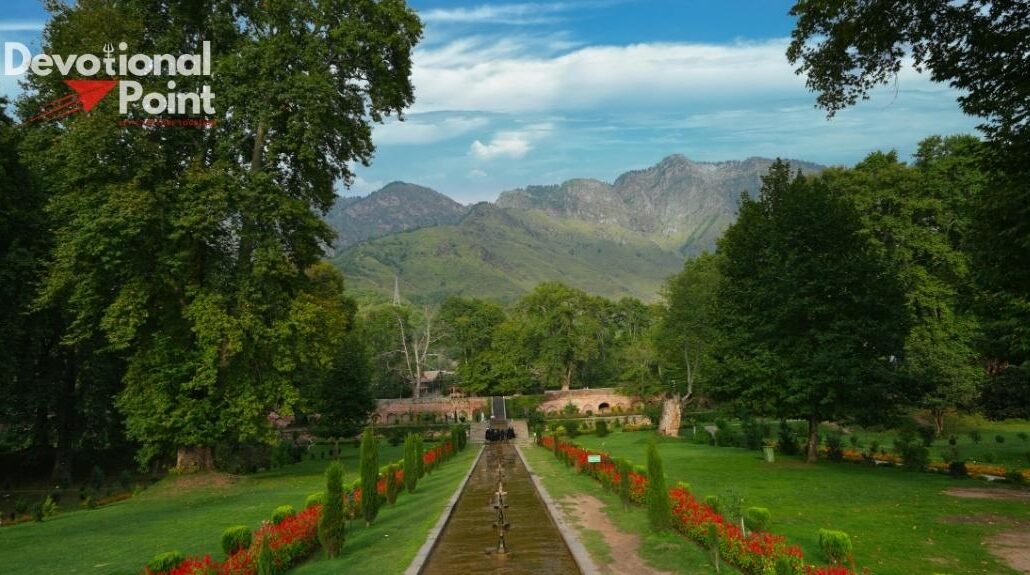
Nishat Bagh is more than a garden filled with lawns and flowers. Its combination of architecture, water features, mature trees and scenic surroundings offers several things to explore.
Here are the main attractions you should look out for during your visit.
Beautiful Views of Dal Lake
One of the biggest attractions of Nishat Bagh is its location beside Dal Lake.
From different sections of the garden, visitors can enjoy views of the lake, its houseboats and the surrounding landscape.
The higher terraces offer elevated viewpoints, making them particularly attractive for photography.
On clear days, the distant mountains add another beautiful layer to the scenery.
The Zabarwan Mountain Viewpoints
The Zabarwan Mountains form the natural backdrop of Nishat Bagh.
As you move through the garden, you will notice the mountain slopes rising behind the upper terraces. The combination of green hills, landscaped gardens and flowing water gives the place a peaceful atmosphere.
The mountains are especially beautiful during clear weather, when their outlines can be seen above the garden.
Historic Chinar Trees and Green Lawns
The Chinar trees are an important part of the garden’s identity.
Some of these trees are believed to be very old, although the exact age of individual trees should not be assumed without historical records.
Visitors can relax beneath their shade, enjoy the greenery or take photographs of their impressive trunks and branches.
The open lawns also provide space for families and groups to sit and enjoy the surroundings.
Flower Beds, Fountains and Water Channels
Seasonal flowers add colour to Nishat Bagh, especially during spring and summer.
The landscaped flowerbeds are arranged alongside pathways and lawns, while the fountains and central water channel create a traditional Mughal garden atmosphere.
The garden looks particularly attractive when flowers are in bloom and water is flowing through its channels.
The Best Photography Spots in Nishat Bagh
Nishat Bagh is an excellent place for photography because it offers a variety of backgrounds within one location.
Some of the best photography spots include:
- Dal Lake Viewpoints: Capture the lake with mountains in the background.
- Central Water Channel: Photograph the fountains and flowing water.
- Chinar Tree Sections: Capture the large trees, especially during autumn.
- Flowerbeds: Photograph seasonal flowers during spring and summer.
- Upper Terraces: Enjoy elevated views of the garden and surrounding landscape.
- Stone Cascades: Capture the traditional Mughal water features.
For the best natural light, consider visiting in the morning or late afternoon.
Visitors should respect garden rules and avoid damaging plants or entering restricted areas for photographs.
Best Time to Visit Nishat Bagh
Nishat Bagh is a year-round attraction, but the experience changes significantly with the seasons. Spring and summer are generally considered the most enjoyable periods because flowers bloom, trees become greener and the weather is suitable for spending time outdoors. Autumn is equally attractive for visitors who love the changing colours of Chinar trees.
Spring (March to May): Spring is one of the most beautiful seasons to visit Nishat Bagh. The surrounding landscape becomes greener, flowering plants begin to bloom and the atmosphere feels fresh after winter. March and April are particularly attractive for visitors who want to explore Srinagar’s gardens during the spring flowering season. You can also combine your visit with the nearby Indira Gandhi Memorial Tulip Garden when it is open.
Summer (June to August): Summer offers pleasant opportunities for sightseeing, especially for visitors escaping the heat of the plains. The garden looks green and colourful, fountains and water channels add freshness, and the large Chinar trees provide comfortable shaded areas. This is also a popular period for family holidays, so you may encounter more tourists during weekends and peak vacation dates.
Autumn (September to November): Autumn transforms Nishat Bagh into a beautiful landscape of golden, orange and reddish leaves. The Chinar trees become the main attraction, and the garden develops a completely different character compared with spring and summer. Photographers often enjoy this season because the colourful foliage creates wonderful backgrounds.
Winter (December to February): Winter offers a quieter experience, with fewer tourists and a different atmosphere. Temperatures can become very cold, and snowfall may occasionally transform the surrounding landscape. However, flowers are limited and some water features or facilities may operate differently. Visitors should check the weather and garden opening arrangements before planning a winter trip.
How to Reach Nishat Bagh Srinagar
Reaching Nishat Bagh is relatively easy because it is connected to Srinagar’s main roads and tourist areas. Depending on your budget and travel preferences, you can choose a taxi, private vehicle, local transport or even a traditional Shikara journey.
By road: Travelling by road is the most convenient option for most tourists. You can hire a local taxi from Lal Chowk, Dal Gate, Boulevard Road or your hotel. Private vehicles can also be used, and the garden is accessible through the eastern Dal Lake road. During peak tourist periods, allow additional time for traffic.
By taxi: Hiring a taxi is a comfortable choice for families and visitors travelling in groups. You can also arrange a sightseeing taxi covering Nishat Bagh, Shalimar Bagh, Chashme Shahi and other nearby attractions. Agree on the fare and itinerary with the driver before beginning the trip.
By local transport: Local buses and other public transport services may connect different parts of Srinagar with the Nishat area. Availability and routes can vary, so ask locally for the most convenient service.
By air: The nearest airport is Sheikh ul Alam International Airport, Srinagar. From there, you can hire a taxi or arrange hotel transport to Nishat Bagh.
By train: Srinagar Railway Station is connected to the local road network. After reaching the station, taxis and other local transport options can take you to the garden.
Places to Visit Near Nishat Bagh
Nishat Bagh is surrounded by several famous tourist attractions in Srinagar. Visitors can explore these nearby destinations on the same day and enjoy Mughal gardens, beautiful lakes, historical monuments and religious sites.
1. Shalimar Bagh (3 km): Shalimar Bagh is one of the most famous Mughal gardens in Srinagar. Built by Emperor Jahangir in 1619, it is known for its beautiful terraces, fountains, Chinar trees and traditional Mughal architecture.
2. Dal Lake (Adjacent): Dal Lake is one of the most popular tourist attractions in Kashmir. Visitors can enjoy a traditional Shikara ride, explore beautiful houseboats and admire the surrounding mountains and scenic landscapes.
3. Chashme Shahi (4–5 km): Chashme Shahi is a beautiful Mughal garden famous for its natural freshwater spring. It is one of the smallest Mughal gardens in Srinagar and offers peaceful surroundings, greenery and attractive views.
4. Pari Mahal (6–7 km): Pari Mahal, also known as the Palace of Fairies, is a historic monument situated on the Zabarwan Mountain Range. It features seven terraces and offers breathtaking panoramic views of Dal Lake and Srinagar city.
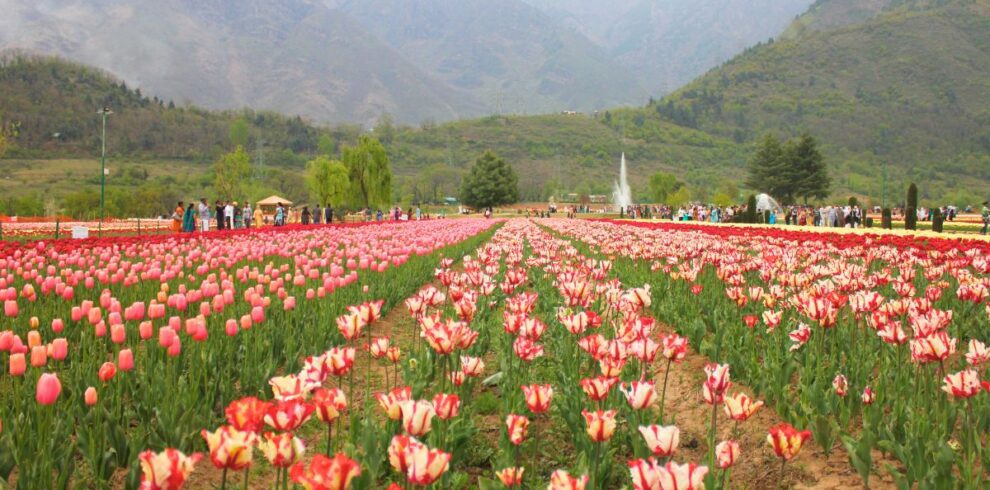
5. Indira Gandhi Memorial Tulip Garden (4–5 km): This famous garden is a major spring attraction in Srinagar. It is known for its colourful tulip displays, beautiful flowerbeds and stunning mountain surroundings. The garden is generally open during the spring flowering season.
6. Hazratbal Shrine (6–8 km): Hazratbal Shrine is an important religious destination situated on the northern bank of Dal Lake. It is famous for its beautiful white marble architecture and houses a sacred relic believed to be a hair of Prophet Muhammad.
7. Shankaracharya Temple (8–10 km): Located on Shankaracharya Hill, this ancient Hindu temple is dedicated to Lord Shiva. Visitors can enjoy spectacular views of Srinagar, Dal Lake and the surrounding mountains from the hilltop.
8. Nigeen Lake (Around 8–10 km): Nigeen Lake is a peaceful lake near Dal Lake, known for its beautiful houseboats, scenic surroundings and relaxing Shikara rides. It is an excellent destination for visitors looking for a quieter lake experience.
Nishat Bagh vs Shalimar Bagh – Which One Should You Visit?
Nishat Bagh and Shalimar Bagh are two of the most famous Mughal gardens in Srinagar. Both are located near Dal Lake and showcase the beauty of traditional Mughal landscaping.
However, their layouts, historical backgrounds and overall atmosphere are different.
| Comparison | Nishat Bagh | Shalimar Bagh |
|---|---|---|
| Built By | Asif Khan | Emperor Jahangir |
| Construction Year | 1633 | 1619 |
| Location | Eastern bank of Dal Lake | Near Dal Lake |
| Famous For | Twelve terraces and lake views | Royal pavilions and Mughal architecture |
| Landscape | Terraced garden on a hillside | Terraced royal garden |
| Main Attraction | Chinar trees, fountains and water channel | Historic pavilions, fountains and terraces |
| Best For | Scenic views and peaceful surroundings | Royal Mughal architecture and history |
Which Garden Is Better for Tourists?
If you enjoy elevated views of Dal Lake, large Chinar trees and a terraced landscape, Nishat Bagh is an excellent choice.
If you are more interested in royal Mughal architecture, historic pavilions and the story of Emperor Jahangir, Shalimar Bagh is also worth visiting.
Ideally, include both gardens in your Srinagar itinerary. They are important parts of Kashmir’s Mughal heritage and offer different experiences.
Is Nishat Bagh Suitable for Children and Senior Citizens?
Yes, Nishat Bagh is a pleasant place for families with children and senior citizens. Children can enjoy the green surroundings, fountains and open spaces, while adults can relax beneath the beautiful Chinar trees.
However, the garden has multiple levels, steps and sloping pathways, which may make exploring every terrace tiring for visitors with mobility difficulties. Senior citizens should walk at a comfortable pace and take breaks whenever needed.
Families should also keep children away from water channels, fountains and restricted areas.
Photography and Sightseeing Opportunities
If you enjoy photography, Nishat Bagh is one of the best places in Srinagar to capture the beauty of Kashmir. The garden offers a wonderful combination of historic architecture, colourful flowers, fountains, mature trees and panoramic mountain scenery. Whether you use a professional camera or a smartphone, you will find plenty of attractive locations for memorable photographs.
The central water channel is one of the most photographed features. Its symmetrical arrangement creates beautiful compositions, especially when fountains are operating. You can also photograph the landscaped terraces from different angles to capture the garden’s impressive design.
Dal Lake provides another excellent photography opportunity. From different levels of Nishat Bagh, you can capture the lake with the surrounding mountains in the background. During clear weather, the scenery becomes particularly impressive.
For the best photography experience, consider these suggestions:
- Early morning: Enjoy softer sunlight and relatively fewer visitors.
- Spring: Photograph colourful flowerbeds and fresh greenery.
- Summer: Capture lush landscapes, fountains and Chinar trees.
- Autumn: Photograph golden and reddish Chinar leaves.
- Late afternoon: Enjoy attractive natural lighting over Dal Lake.
Remember to respect the garden’s rules while taking photographs. Avoid damaging plants, entering restricted areas or disturbing other visitors. If you plan a commercial or professional photoshoot, check whether departmental permission is required.
Parking and Nearby Facilities
Nishat Bagh is accessible from the road running alongside Dal Lake. Visitors arriving by private vehicle or taxi should follow the designated parking arrangements and local traffic instructions.
Small shops and vendors may be available outside the garden area, depending on the season and local conditions.
It is advisable to use the available facilities before beginning a longer walk through the terraces. Do not assume that every facility will be available inside the garden.
Frequently Asked Questions About Nishat Bagh Srinagar
1. What are the opening and closing timings of Nishat Bagh?
Incredible India’s published visitor information lists the opening hours as 9:00 AM to 7:00 PM. Timings may change seasonally, so confirm the current schedule before visiting.
2. Who built Nishat Bagh in Srinagar?
Nishat Bagh was designed and built in 1633 AD by Asif Khan, the elder brother of Empress Nur Jahan.
3. How many terraces are there in Nishat Bagh?
Nishat Bagh was originally designed with twelve terraces, traditionally associated with the twelve signs of the zodiac.
4. How much time is needed to visit Nishat Bagh?
Most visitors should allow around 1.5 to 2 hours to explore the garden, admire its terraces, enjoy the views and take photographs.
5. Which is better, Nishat Bagh or Shalimar Bagh?
Both gardens are worth visiting. Nishat Bagh is particularly known for its twelve terraces and Dal Lake views, while Shalimar Bagh is famous for its royal Mughal architecture and historic pavilions.
6. Is Nishat Bagh worth visiting in winter?
Yes, Nishat Bagh can be visited during winter. However, the garden may look different from its spring and summer appearance, and visitors should check weather conditions and opening hours before travelling.
Book Srinagar Tour Package Now
For Any Queries, Call: +91 9555334268
Srinagar Tour Package
Book Now

The Vaishno Devi Shiv Khori Tour Package 2 Night 3 Days from Katra is a perfectly curated pilgrimage for devotees…
Dehradun Tour Package Explore the spiritual essence for and natural beauty of Uttarakhand with Devotional Point Tour & Travels, your…
Are you dreaming of an unforgettable honeymoon or a luxurious escape amidst breathtaking natural beauty? Look no further than Kashmir,…

Are you dreaming of a honeymoon that combines romance, adventure, and unforgettable landscapes? Look no further than the stunning beauty…

Are you dreaming of a honeymoon that combines romance, adventure, and unforgettable landscapes? Look no further than the stunning beauty…
Looking for a perfect blend of adventure and spirituality? The Chopta Tungnath Package from Delhi is exactly what you need….