
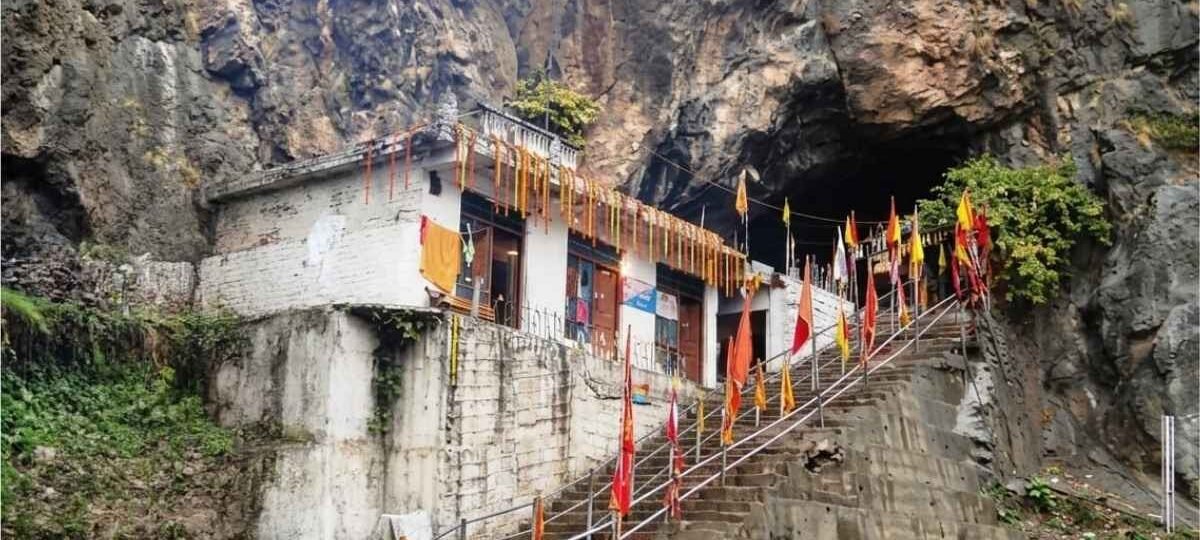
Shiv Khori Temple is one of the most fascinating pilgrimage destinations in the Jammu region of Jammu & Kashmir, attracting devotees who want to experience the presence of Lord Shiva inside a naturally formed cave. Located near Ransoo in Reasi district, the shrine is surrounded by green hills and requires pilgrims to travel by road to Ransoo before continuing on foot toward the sacred cave. The official Shri Shiv Khori Shrine Board describes the walking approach from Ransoo as roughly 3 kilometres, while the shrine’s current website describes the cave as approximately 3–4 kilometres from the base camp, depending on the route description.
What makes Shiv Khori different from an ordinary Shiva temple is the setting itself. You are not simply arriving at a conventional temple building after parking your vehicle nearby; instead, the journey takes you through a hill track toward a natural cave where devotees worship a naturally formed Shivling. The word “Khori” means cave, so Shiv Khori essentially refers to Shiva’s cave. For pilgrims, that combination of nature, mythology, walking and worship creates an experience that feels more like a spiritual adventure than a standard temple visit.
Shiv Khori is also an excellent addition to a Jammu, Katra and Vaishno Devi trip. Katra is about 80 km by road from Ransoo according to the shrine’s official travel information, making it practical for travellers to complete Vaishno Devi and then plan Shiv Khori as a separate day excursion. Whether you are travelling with family, friends, senior citizens or a larger pilgrimage group, understanding the route, distance, facilities, rules and best time to visit can make the journey much smoother.
Why Is Shiv Khori Famous?
Shiv Khori is famous primarily because of its natural cave shrine and naturally formed Shivling. The official website identifies the cave as a major pilgrimage destination and notes that devotees come to worship Lord Shiva in this unusual natural setting.
The cave also has a strong connection with local religious traditions and legends surrounding Lord Shiva. Various naturally formed shapes and rock formations inside and around the cave are interpreted by devotees through the lens of Hindu mythology. These traditions are an important part of the spiritual identity of the destination, even when individual legends vary between local and devotional accounts.
Another reason for Shiv Khori’s popularity is its convenient connection with Katra and Vaishno Devi. Pilgrims visiting Mata Vaishno Devi often extend their journey to include Shiv Khori, allowing them to visit two major religious destinations in the same Jammu pilgrimage circuit. The official shrine information specifically identifies Katra as the nearest major tourist hub and gives the road distance between Katra and Ransoo as approximately 80 km.
Where Is Shiv Khori Located?
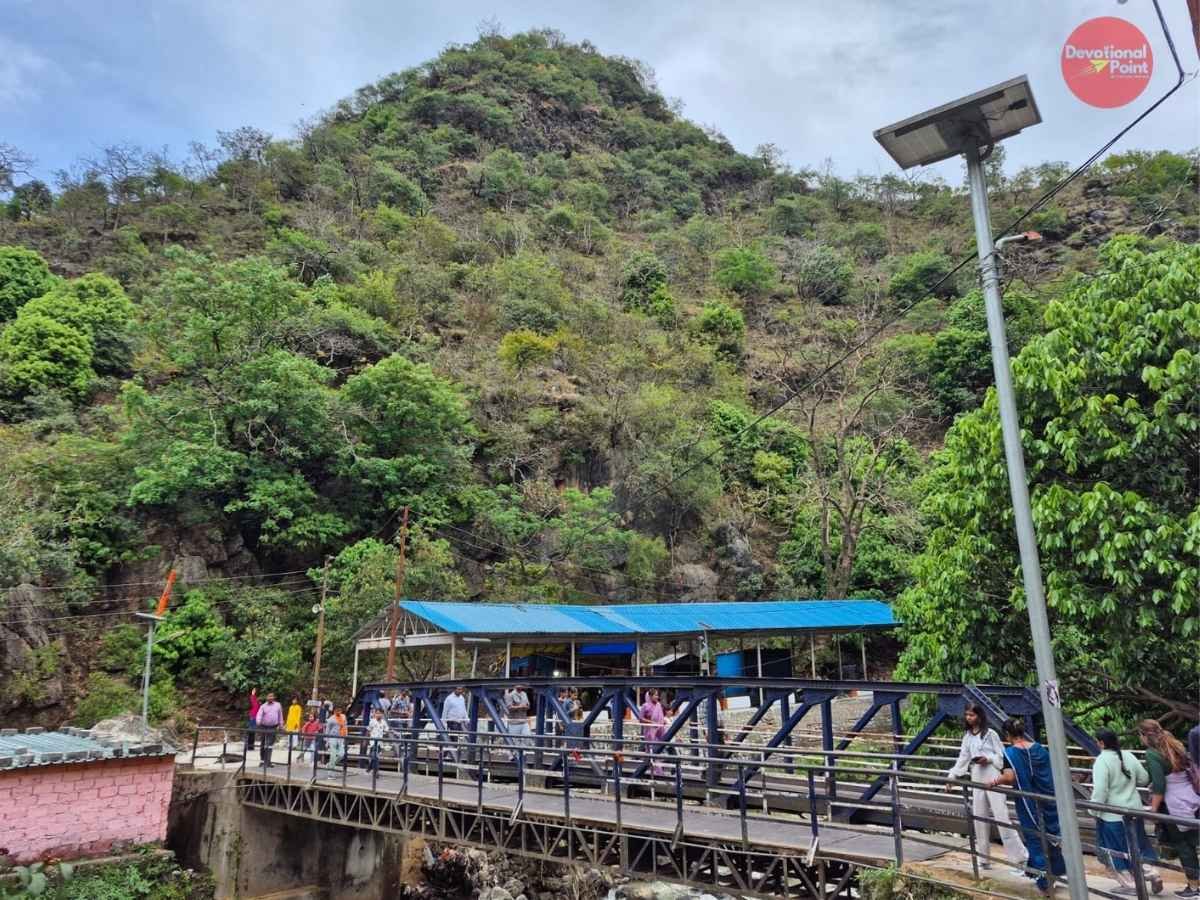
Shiv Khori is located near Ransoo village in Reasi district, Jammu & Kashmir. Ransoo serves as the base camp from which pilgrims begin the final journey toward the holy cave. The area is surrounded by hills, giving the pilgrimage a distinctly mountainous character even though the route is much shorter than some of India’s major high-altitude pilgrimages.
According to the official Shri Shiv Khori Shrine Board’s published route information, Ransoo is approximately 80 km from Katra, around 50 km from Reasi, and about 130 km from Jammu when travelling via Katra. Another official town-planning document places the cave roughly 3 km uphill from Ransoo and describes the base camp as having motorable access. These figures can vary slightly between sources because different routes and measurement points are used, so travellers should treat them as approximate planning distances rather than exact door-to-door measurements.
The location makes Shiv Khori particularly convenient for visitors already staying in Katra. Rather than changing hotels or planning a complicated multi-city route, you can stay in Katra and arrange transportation to Ransoo for a day trip. That is one reason a Shiv Khori tour from Katra is so common among pilgrims.
Shiv Khori Distance from Katra and Jammu
The distance is easiest to understand when you separate the road journey from the walking journey. Your vehicle takes you to Ransoo, not directly to the cave. From there, you begin the pilgrimage track toward Shiv Khori.
| Starting Point | Approximate Road Distance to Ransoo |
|---|---|
| Katra | 80 km |
| Reasi | 50 km |
| Jammu via Katra | 130 km |
| Jammu via Akhnoor–Bhambla | Around 110–112 km |
The official Shiv Khori Shrine Board gives Katra as approximately 80 km from Ransoo and Jammu via Katra as approximately 130 km. A current shrine page also lists the Jammu-to-Ransoo distance via the Akhnoor–Bhambla route at around 112 km.
After reaching Ransoo, pilgrims continue on foot. The official information describes the walking track as approximately 3 km, while another current shrine page describes the cave as around 4 km from Ransoo. For itinerary planning, allowing roughly 3–4 km each way is a sensible approach.
Shiv Khori Darshan Timings
| Season | Temple Opening | Temple Closing |
|---|---|---|
| Summer (April–October) | 5:00 AM | 7:00 PM |
| Winter (November–March) | 6:00 AM | 6:00 PM |
Shiv Khori Aarti Timings
| Aarti | Timing |
|---|---|
| Morning Aarti | 7:00 AM – 8:00 AM |
| Evening Aarti | 7:00 PM – 8:00 PM |
Shiv Khori Cave and Natural Shivling
The natural cave is the heart of the Shiv Khori pilgrimage. According to the current official shrine website, the cave contains a naturally formed Shivling that devotees worship as a manifestation of Lord Shiva. The unusual geological character of the cave is a major part of its appeal, and visitors often find the enclosed rock environment more atmospheric than a typical temple complex.
The cave is not simply important because it is old or unusual; it is important because generations of devotees have connected the natural formation with their faith. Inside, pilgrims experience a sacred environment shaped by stone, darkness, natural formations and religious tradition. That combination creates a strong sense of place.
For first-time visitors, it is useful to remember that the cave is an active religious site rather than a tourist attraction where people are free to move around however they like. The shrine authorities ask devotees to maintain discipline, respect religious sentiments and follow the rules concerning belongings and movement inside the cave.
What You See Inside the Cave
Inside Shiv Khori, devotees come for darshan of the natural Shivling and observe naturally formed rock features associated with local religious traditions. The current shrine website describes the Shivling as being naturally formed and says the cave contains various natural shapes that devotees interpret through Hindu belief.
Photography and electronic devices are restricted inside the cave. The shrine’s official guidance specifically says that mobile phones, cameras, laptops and other electronic items should not be carried inside and should be deposited in the designated cloakroom. This restriction may initially feel inconvenient for visitors who want to document every part of their trip, but it also protects the atmosphere of the sacred space.
The best approach is to experience the cave rather than trying to photograph it. Once you are inside, focus on the darshan, follow the queue and respect the instructions of the shrine authorities. You can take photographs outside the restricted area and preserve the memory of the wider journey without compromising the rules of the cave.
Shiv Khori History and Legends
Shiv Khori has a rich tradition of mythology and local legends surrounding its origin and discovery. The official shrine’s historical information records a traditional account involving a shepherd who is said to have entered the cave while searching for missing goats and encountered ascetics associated with Lord Shiva. Such stories are part of the oral and devotional heritage surrounding the shrine.
The cave is also connected in popular belief with stories associated with Bhasmasur and Lord Shiva. These legends should be understood as religious traditions rather than modern historical documentation. For devotees, however, they add another layer of meaning to the pilgrimage and help explain why the cave is regarded as a powerful Shiva site.
The name itself is simple and descriptive: Shiv Khori means Shiva’s cave. “Khori” refers to a cave, while “Shiv” refers to Lord Shiva. Once you understand the name and see the landscape, the identity of the destination becomes immediately clear.
Rather than trying to separate the pilgrimage completely from its legends, it is more useful to appreciate both sides. The natural cave can be studied as a geological formation, while the same cave can simultaneously hold profound religious meaning for devotees. That combination is one of the reasons Shiv Khori continues to attract pilgrims.
How to Reach Shiv Khori
The most practical way to reach Shiv Khori is to first travel to Ransoo, the base camp. The official shrine information says Ransoo is connected by road with Jammu and other cities of Jammu & Kashmir, while taxis and light vehicles are available from Katra, Udhampur and Jammu.
For travellers arriving by train or air, Jammu and Katra are useful entry points. Jammu has railway and airport connectivity, while Katra is particularly convenient if you are also visiting Vaishno Devi. From either location, the onward journey to Ransoo can be arranged by road.
If you are travelling as a family or group, a private taxi or suitable group vehicle can be convenient because it allows greater control over departure and return times. Public transport may be useful for budget travellers, but private transportation can simplify the logistics considerably, particularly when several people are travelling together.
Reaching Ransoo Base Camp
Ransoo is the starting point of the final Shiv Khori pilgrimage. The official shrine website confirms that buses and light vehicles can reach the village and that the remaining journey toward the cave is completed on foot.
Once you arrive at Ransoo, do not think of the trip as finished. This is where the actual walking pilgrimage begins. You can take some time to organise yourself, use available facilities, purchase essential items and then begin the trek.
Pilgrims who require assistance can use services such as ponies, pithoos and palkis, subject to availability and the shrine’s arrangements. The official guidance specifically recommends hiring these services only through authorised prepaid counters rather than negotiating directly with individual service providers.
Shiv Khori Yatra Route and Trek
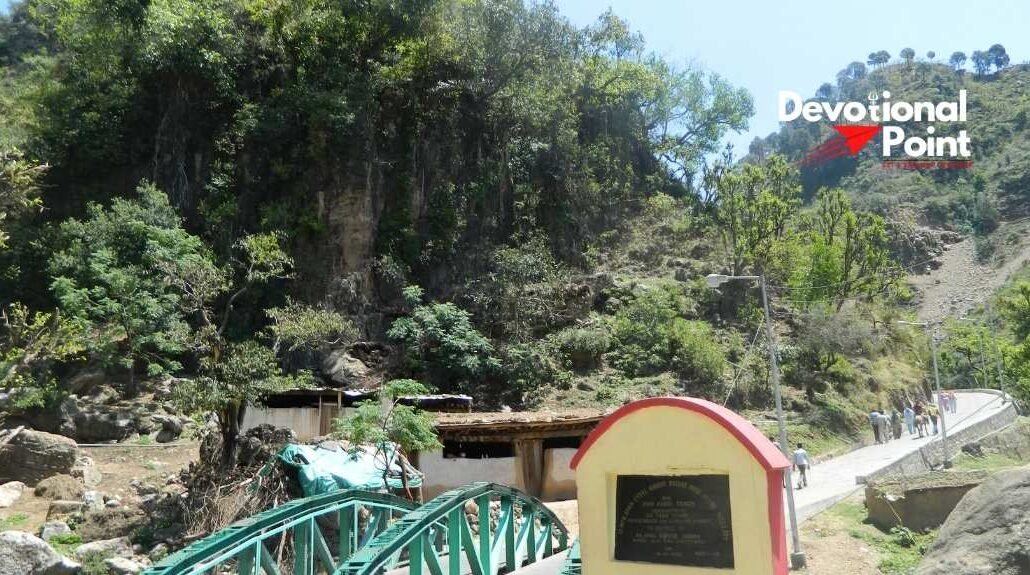
The Shiv Khori route from Ransoo is a hill pilgrimage track of approximately 3–4 km toward the cave. The exact experience depends on weather, crowd levels, walking speed and personal fitness. The official shrine information describes the track as the route pilgrims traverse on foot, while the current website mentions railings and rest areas along parts of the path.
The walk is manageable for many travellers, but it should not be treated as a casual stroll. The route includes an uphill component, and people unused to walking in hilly terrain may need regular breaks. Comfortable footwear can make a surprisingly large difference.
A few simple preparations can make the experience easier:
- Wear comfortable shoes suitable for uneven paths.
- Carry enough water for the walk.
- Start early during warmer months.
- Take extra care if the path is wet after rainfall.
- Families travelling with children should allow extra time.
- Keep some time aside for darshan inside the cave.
- If you prefer to travel by horse, horse services can be booked from the starting point of trek.
Take the journey at your own pace. There is no prize for reaching the cave first. For many devotees, the chanting, conversations with fellow pilgrims and gradual movement through the hills are part of what makes the experience memorable.
During rainy weather, extra care is sensible because hill paths can become wet or slippery. Weather conditions can also affect road travel to Ransoo, so checking conditions before departure is a smart habit.
Best Time to Visit Shiv Khori
| Travel Period | Weather & Conditions | Crowd Level | Best For |
|---|---|---|---|
| Maha Shivratri | Festive atmosphere; shrine is highly active | Very High | Pilgrims wanting to experience the major festival and religious celebrations |
| March to May | Generally pleasant for travelling and walking | Moderate | Families, pilgrims and sightseeing |
| June to August | Monsoon conditions; rain may affect travel and walking | Low to Moderate | Travellers who don’t mind wet weather |
| September to November | Comfortable conditions for travel and pilgrimage | Moderate | Overall good time to visit |
| December to February | Cooler weather, especially in the mornings and evenings | Low to Moderate | Travellers seeking a quieter pilgrimage experience |
Shiv Khori During Maha Shivratri
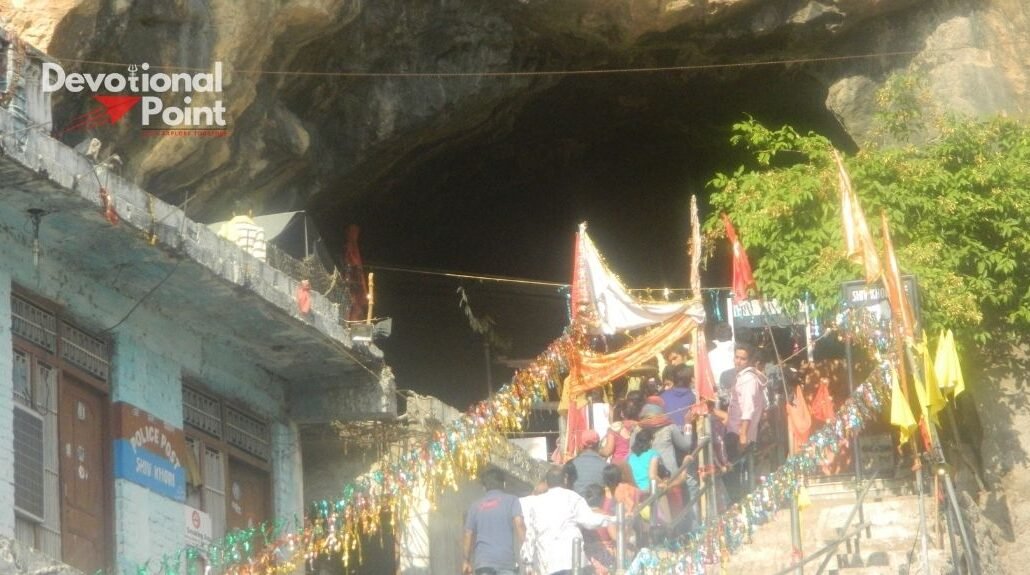
Maha Shivratri is one of the most important times of the year at Shiv Khori. The official shrine website confirms that the annual three-day fair attracts thousands of devotees from different parts of Jammu & Kashmir.
The festival transforms the pilgrimage environment. Instead of a relatively steady flow of visitors, you may encounter much larger crowds, devotional gatherings and a heightened sense of celebration. For devotees of Lord Shiva, experiencing Shiv Khori around Maha Shivratri can be deeply meaningful.
However, festival travel requires additional planning. Accommodation can become more difficult to secure, road traffic can increase and the pilgrimage route may take longer than usual. If you are travelling with children or elderly family members, build extra time into your itinerary.
Do not choose a festival visit simply because it sounds exciting if your group is uncomfortable with crowds. Shiv Khori can be spiritually rewarding at any time of year, and the right travel date is the one that suits your group’s needs.
Shiv Khori with Vaishno Devi
Combining Shiv Khori with Vaishno Devi is one of the most popular ways to expand a Katra pilgrimage. The two destinations are separate shrines with different routes and religious traditions, but their geographical connection makes a combined trip practical.
The official Shiv Khori travel information identifies Katra as the nearest tourist hub and places Ransoo approximately 80 km from Katra by road. That means travellers staying in Katra for Vaishno Devi can arrange Shiv Khori as a separate excursion without changing their accommodation base.
The most comfortable approach is to avoid trying to complete both pilgrimages on the same day. Vaishno Devi itself can require a substantial amount of walking, so returning from Bhawan and immediately travelling to Ransoo may leave the group exhausted. Instead, complete one pilgrimage, rest properly and then dedicate another day to Shiv Khori.
Shiv Khori and Vaishno Devi Itinerary
| Day | Plan | Details |
|---|---|---|
| Day 1 | Arrival in Katra | Arrive in Katra, check into your hotel, complete the necessary arrangements, and keep the evening relaxed. Take adequate rest before beginning the pilgrimage. |
| Day 2 | Vaishno Devi Yatra | Dedicate the day to the Vaishno Devi Yatra. Travel from Katra toward the Holy Shrine, complete darshan, and return to Katra for an overnight stay. |
| Day 3 | Shiv Khori Yatra | Leave Katra early and travel approximately 80 km by road to Ransoo. From Ransoo, complete the walking pilgrimage to Shiv Khori Cave, have darshan of Lord Shiva, and return to Katra. |
| Day 4 | Departure / Local Sightseeing | Depending on your departure schedule, use the day for departure from Katra or explore additional nearby attractions before continuing your journey. |
Facilities Available for Pilgrims
- Tourist Reception Centre-cum-Sarai: Available at Ransoo for pilgrims.
- Accommodation: Private hotels and guest houses are available around Ransoo.
- Rest Areas: Basic resting facilities are available along the pilgrimage route.
- Pony & Horse Services: Authorised arrangements are available for pilgrims who need assistance during the journey.
- Pithoo Services: Pithoos can assist pilgrims who require help carrying belongings or travelling.
- Palki Services: Palkis are available for pilgrims who may need assisted travel.
- Accommodation in Katra: Katra offers a wider choice of hotels and is a convenient base for combining Shiv Khori and Vaishno Devi.
- Day Trip Option: Travellers who prefer greater hotel choice and comfort can stay in Katra and visit Shiv Khori as a day trip.
Shiv Khori for Families and Senior Citizens
Shiv Khori can be a rewarding family pilgrimage, but you should plan according to the abilities of the people travelling with you. Children may find the cave and mountain journey exciting, while senior citizens may need more frequent breaks. The goal should be to make the experience comfortable rather than forcing everyone to maintain the same walking pace.
For travellers who need assistance, the shrine’s official guidance mentions pony, pithoo, palki and horse services and advises pilgrims to use designated prepaid counters. This is especially important for families because authorised counters provide a safer and more transparent way to arrange assistance.
Senior citizens should also avoid carrying heavy bags. A small day bag containing essentials is much more practical than a large backpack. Comfortable shoes, appropriate clothing and adequate rest can make the difference between an enjoyable pilgrimage and an unnecessarily exhausting one.
If anyone in your group has difficulty walking on uneven or uphill terrain, assess that before starting. Planning ahead is not a sign of weakness; it is simply good pilgrimage management.
What to Carry for Shiv Khori Yatra
Pack lightly for Shiv Khori. Comfortable walking shoes are among the most important things to bring, followed by weather-appropriate clothing, personal medication, basic identification and a small amount of water as appropriate.
Avoid carrying unnecessary electronic equipment because mobile phones, cameras and other electronic items are not permitted inside the cave according to the official shrine guidance. A cloakroom is available for depositing permitted belongings before entering.
Leather items also need attention. The official instructions state that items such as belts, purses and shoes should be removed before entering the cave and deposited at the cloakroom. Rules can be updated, so always follow the instructions displayed at the shrine when you arrive.
The best philosophy is simple: carry only what you genuinely need for the pilgrimage and leave everything else at your hotel or in secure storage.
Places to Visit Near Shiv Khori
If you have extra time in your itinerary, you can explore several religious and natural attractions in the wider Reasi and Katra region. These destinations can be visited before or after Shiv Khori, depending on your travel schedule, transport and the time available.
Some places worth considering include:
- Baba Dhansar – A popular Shiva pilgrimage site near Karua Jheel, known for its natural surroundings, seasonal waterfall and sacred Shiv Lingam. The peaceful setting makes it a suitable stop for travellers interested in combining religious visits with time in nature.
- Baba Jitto Temple – A pilgrimage site associated with Baba Jitto and located near Aghar in the Katra region. The site has religious and cultural importance and can be included in a wider pilgrimage itinerary around Katra and Reasi.
- Nau Devi Temple – A cave shrine associated with nine forms of Goddess Durga, located around 10–12 km from Katra. The temple is reached through a natural cave setting and can be a convenient addition for travellers already exploring the Katra area.
- Katra – The main base for pilgrims visiting Vaishno Devi and a practical place to stay when exploring several attractions in the region. Katra also offers a wider choice of hotels, restaurants and transport options, making it convenient for planning day trips to Shiv Khori and nearby religious sites.
If your schedule allows, you can combine these attractions across multiple days rather than trying to visit everything on the same day as Shiv Khori. This gives you more time for the trek, darshan and travel between destinations without making the itinerary unnecessarily tiring.
FAQs About Shiv Khori Cave
1. Where is Shiv Khori located?
Shiv Khori is located near Ransoo village in Reasi district of Jammu & Kashmir. Ransoo is the base camp for pilgrims, and the final part of the journey to the holy cave is completed on foot. The official shrine information places Ransoo approximately 80 km from Katra by road.
2. How far is Shiv Khori from Katra?
The official Shri Shiv Khori Shrine Board lists the road distance from Katra to Ransoo at approximately 80 km. After reaching Ransoo, pilgrims walk roughly 3 km toward the cave according to the shrine’s published route information, although current shrine material describes the walking distance as approximately 3–4 km.
3. Can I visit Shiv Khori and Vaishno Devi together?
Yes. Shiv Khori and Vaishno Devi can be included in the same pilgrimage itinerary. Katra is a convenient base because it is the main starting point for Vaishno Devi and has road connectivity toward Ransoo. A separate day for Shiv Khori after completing Vaishno Devi is generally a more comfortable approach.
4. Is Shiv Khori suitable for senior citizens?
Senior citizens can visit Shiv Khori, but they should consider the uphill walking section and plan accordingly. The official shrine information mentions authorised ponies, pithoos, palkis and horses for pilgrims who need assistance. It is advisable to take breaks and avoid rushing.
Book Shiv Khori Tour Package Now
Shiv khori & Vaishno Devi Tour Packages
Book Now
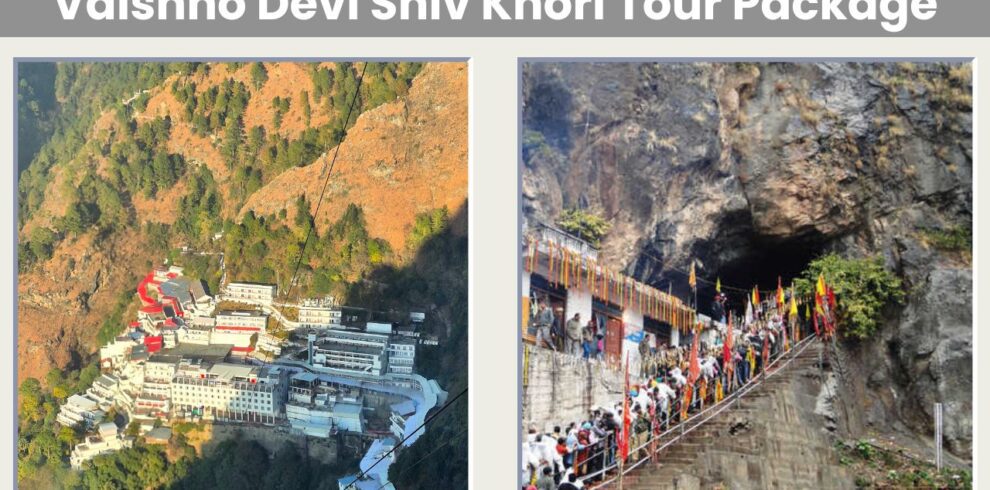
The Vaishno Devi Shiv Khori Tour Package 2 Night 3 Days from Katra is a perfectly curated pilgrimage for devotees…
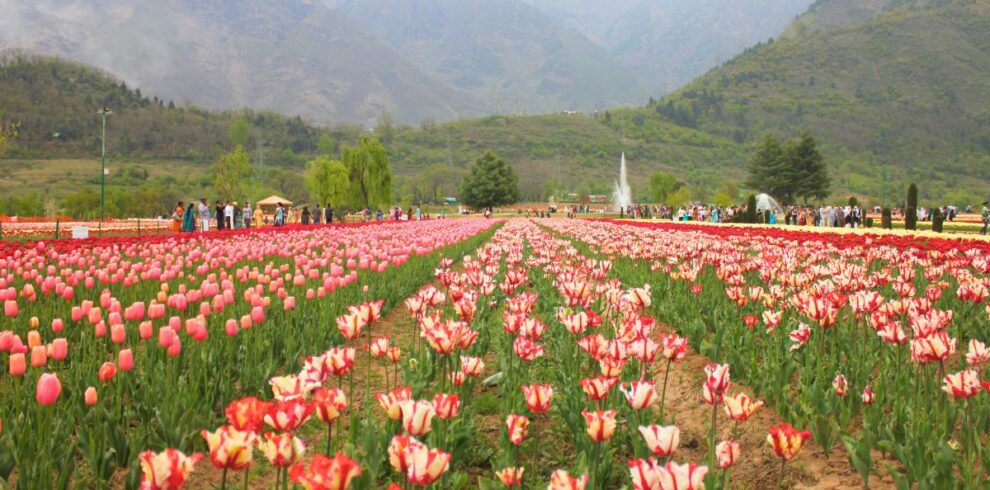
Are you dreaming of an unforgettable honeymoon or a luxurious escape amidst breathtaking natural beauty? Look no further than Kashmir,…
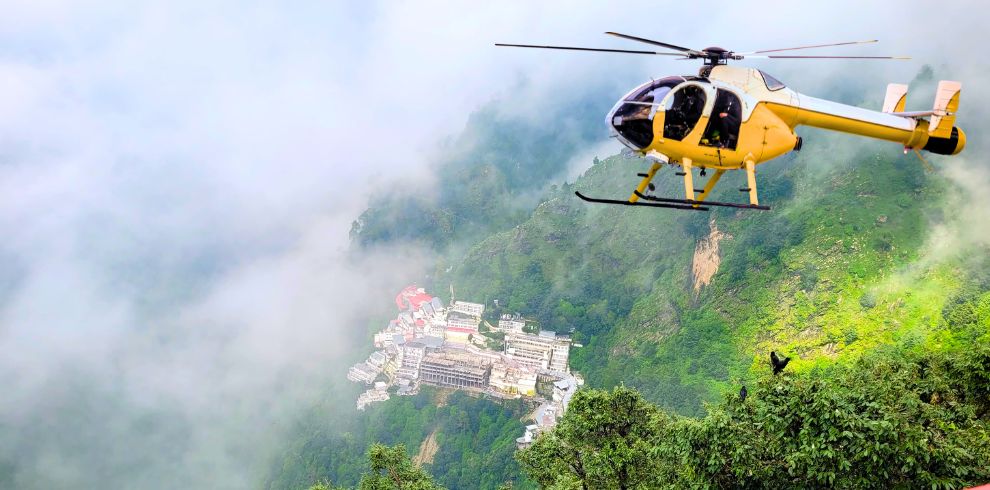
The journey to Shri Mata Vaishno Devi is a spiritual pilgrimage cherished by millions of devotees each year. While many…
Vaishno Devi Tour Package 2024 | Nestled in the majestic Trikuta Mountains of Jammu and Kashmir, Shri Mata Vaishno Devi stands as…