
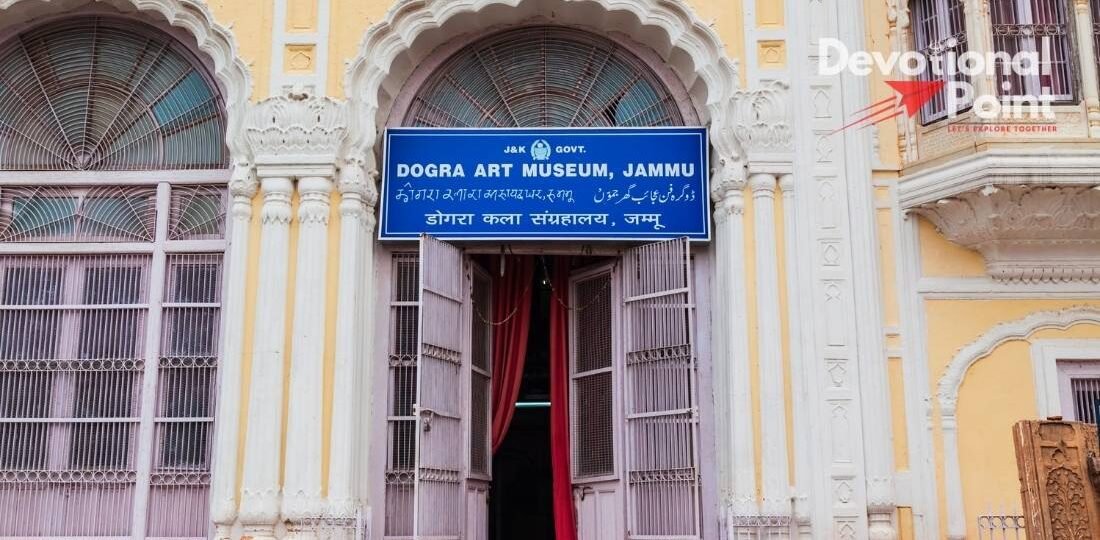
If you want to understand Jammu beyond its temples, forts, markets, and mountain landscapes, a visit to the Dogra Art Museum Jammu is an excellent place to begin. Located inside the historic Mubarak Mandi Complex, the museum preserves an impressive collection connected with the art, culture, history, and royal traditions of the Dogra region. Instead of simply looking at old objects behind glass, visitors get an opportunity to see how painting, manuscripts, coins, clothing, weapons, sculpture, and decorative arts together tell the story of a historic society. The museum is particularly famous for its Basohli and Pahari miniature paintings, which are among the most important artistic treasures associated with the region.
The museum is housed in the Pink Hall of Mubarak Mandi, one of Jammu’s most significant heritage complexes. According to India’s official tourism portal, the museum has a collection of 7,216 objects of historical and cultural significance, including miniature paintings, manuscripts, sculptures, jewellery, textiles, arms and armour, fossils, musical instruments, metalware, and other artefacts. The National Museum’s museum-card publication also identifies the Dogra Art Museum as a heritage institution established in 1954, with a particular reputation for its Basohli miniature paintings.
For travellers planning a sightseeing trip, the practical questions are simple: What are the Dogra Art Museum timings? Where is it located? How much is the ticket? What can you see inside? And how much time should you keep for the visit? This guide answers those questions while also explaining why the museum deserves a place on a Jammu itinerary.
What Is Dogra Art Museum?
The Dogra Art Museum is a government museum dedicated to preserving and displaying the artistic and cultural heritage associated with the Dogra region and the former princely state of Jammu and Kashmir. Its present setting inside the Mubarak Mandi heritage complex makes the visit even more interesting because the museum experience is combined with the atmosphere of a historic royal centre. The Jammu district administration identifies the Pink Hall as the home of the Dogra Art Museum and highlights its collection of miniature paintings from different Hill Schools, including Jammu, Kangra, and Basohli.
The museum is especially worthwhile for people interested in Indian miniature painting, Dogra history, Pahari art, manuscripts, archaeology, coins, traditional costumes, and royal-era objects. It is also a useful stop for students and families because the collection gives historical subjects a physical and visual context. Rather than learning about Dogra culture only through books or websites, visitors can see original or historically preserved objects associated with different periods and artistic traditions.
The currently published tourism information lists the museum as open from 10:00 AM to 5:00 PM except Mondays. However, visitors should verify the day’s schedule before travelling because museum hours, holidays, exhibitions, and access arrangements can change.
Where Is Dogra Art Museum in Jammu?
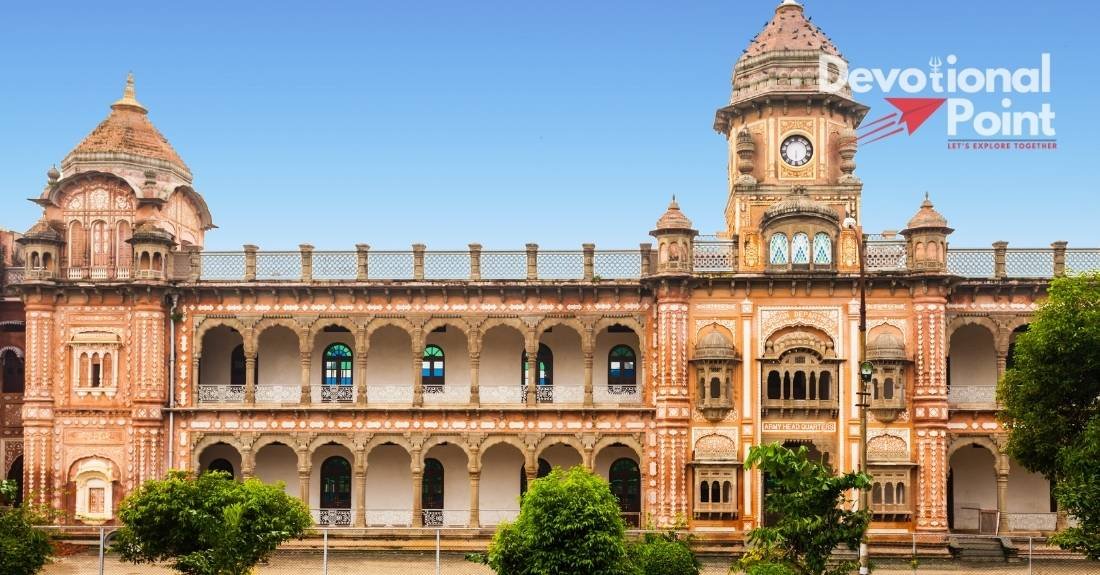
The Dogra Art Museum is located inside the Mubarak Mandi Complex in Panjtirthi, Jammu, making it convenient to combine with other heritage sightseeing in the old part of the city. The museum occupies the historic Pink Hall, so reaching the museum also means entering one of Jammu’s best-known royal heritage areas. The listed business address places the museum at Mubarak Mandi Complex, Panjtirthi, Jammu, Jammu and Kashmir 180001. Dogra Art Museum
Mubarak Mandi itself was the principal royal seat of the Dogra rulers in Jammu until Maharaja Hari Singh moved to Hari Niwas Palace in 1925. The complex contains a mixture of architectural influences, including Rajasthani, Mughal, Baroque, and European elements, which makes the surroundings almost as interesting as the museum collection.
The location is particularly useful for tourists because the Dogra Art Museum does not have to be treated as an isolated attraction. You can plan a broader Mubarak Mandi heritage visit, explore the surrounding historic structures where access is permitted, and then spend time inside the museum. This makes it a practical sightseeing option even when you have only a few hours available in Jammu.
Dogra Art Museum Timings
According to the current Incredible India listing, the Dogra Art Museum is open from 10:00 AM to 5:00 PM, Tuesday to Sunday, and remains closed on Mondays.
| Information | Timing |
|---|---|
| Opening Time | 10:00 AM |
| Closing Time | 5:00 PM* |
| Closed | Monday |
| Best time to visit | Morning to early afternoon |
*The official Incredible India listing currently states 5:00 PM, but visitors planning a late-afternoon visit should confirm the closing time locally before travelling.
For a comfortable visit, it is better to arrive during the morning or early afternoon rather than close to closing time. Visitors should also check for any temporary changes during public holidays, special exhibitions or official events.
Dogra Art Museum Tickets and Entry Fee
| Visitor Category | Reported Entry Fee |
|---|---|
| Indian Citizens | ₹10 per person |
| Foreign Citizens | ₹50 per person |
| Special Events | May be free |
| Ticket Policy | Subject to change |
Note: The ₹10/₹50 figures are reported visitor charges and should be presented as indicative, since museum fees may change. Special occasions such as International Museum Day may also have free-entry arrangements.
Is Dogra Art Museum Worth the Ticket Price?
For most travellers, yes. Even if your primary interest is sightseeing rather than art, the museum offers something different from the usual Jammu tourist circuit. The value is not simply in the number of objects displayed but in the opportunity to see Dogra and Pahari cultural heritage in original museum surroundings.
The museum is particularly valuable for travellers who enjoy history because one gallery can move you from paintings and manuscripts to coins, textiles, weapons, sculptures, and other objects. Think of it as a visual history book where each object provides another small piece of the larger story.
History of Dogra Art Museum Jammu
The history of the Dogra Art Museum goes back to the early efforts to create a dedicated museum collection in Jammu. The National Museum identifies 1954 as the year of establishment. The museum began as the Dogra Art Gallery before eventually becoming a full-fledged museum and moving to its present location at Mubarak Mandi.
Its current home, however, has a much older story. The Pink Hall is part of the historic Mubarak Mandi complex and is associated with the architectural and political history of the Dogra royal establishment. The official tourism description notes that the Pink Hall was connected with the visit of the British monarch Edward VII to Jammu in 1875 and subsequently served as a space associated with the Public Library and museum.
That combination of museum history and palace history makes the experience distinctive. You are not entering an ordinary modern gallery built solely for displaying art. You are visiting a museum within a heritage environment that itself forms part of Jammu’s historical landscape.
What Can You See Inside Dogra Art Museum?
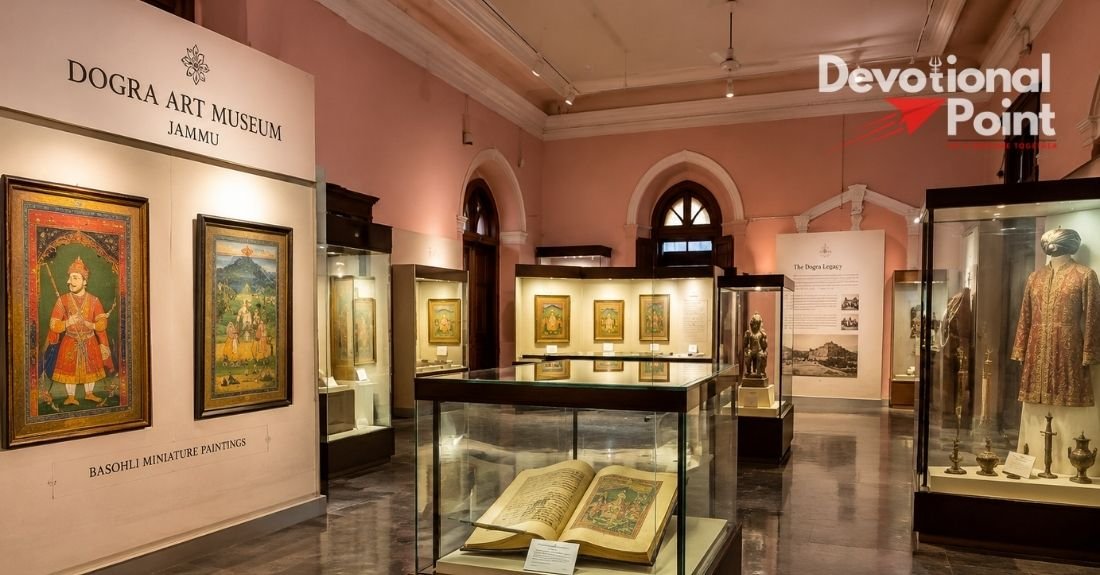
The collection is broad enough that visitors with different interests can find something memorable. The museum is best known for its miniature paintings, but stopping at paintings alone would mean missing much of its collection. Official tourism information describes holdings that include manuscripts, sculptures, textiles, stone inscriptions, arms and armour, fossils, jewellery, musical instruments, metalware, numismatic material, and modern art.
One of the museum’s major attractions is the Rasmanjari series of Basohli miniature paintings. The museum also has rare Persian manuscripts, including illustrated versions of the Shahnama and Sikandernama. These collections provide a window into the artistic, literary, and cultural world of earlier centuries.
Other objects associated with the collection include terracotta heads excavated from the Akhnoor area, traditional costumes, jewellery, coins, sculptures, and arms. A particularly distinctive object mentioned in official tourism material is a gold-plated bow associated with Mughal emperor Shah Jahan, while the museum also preserves a stone plate bearing inscriptions in the Takri script.
For a first-time visitor, the easiest approach is not to rush from display to display. Take a little time with the miniature paintings, look carefully at the manuscripts and inscriptions, and then explore the other categories. The details become more meaningful when you remember that these objects represent different aspects of everyday life, religion, administration, warfare, fashion, literature, and artistic expression.
Basohli Miniature Paintings at Dogra Art Museum
The Basohli miniature paintings are arguably the museum’s biggest attraction. Basohli is associated with the Pahari painting tradition, and the style is particularly recognised for strong colours, expressive figures, intricate details, and distinctive visual compositions. The Dogra Art Museum’s collection helps visitors understand why Basohli painting occupies such an important position in the history of Indian miniature art.
The museum’s official tourism description calls its Pahari miniature collection a major highlight and notes that the paintings cover subjects including mythology and portraits of Dogra rulers. The Jammu district administration similarly highlights miniature paintings from the Jammu, Kangra, and Basohli schools in the museum.
If you are unfamiliar with miniature painting, don’t worry about knowing technical art terminology before your visit. Simply observe the precision. Look at the faces, costumes, decorative elements, landscapes, and storytelling details. A painting that may appear small at first can reveal an astonishing amount of visual information when you stand close enough to appreciate its craftsmanship.
Dogra Art Museum and Mubarak Mandi Palace
One of the best reasons to visit the Dogra Art Museum is its connection with Mubarak Mandi Palace. The palace complex was a major royal centre of the Dogra dynasty and today remains one of Jammu’s most important heritage areas. The complex contains multiple historic structures, including the Darbar Hall Complex, Pink Palace, Sheesh Mahal, Rani Charak Palace, Hawa Mahal, Tosha Khana, and other buildings.
The museum occupies the Pink Hall, meaning that visitors get two experiences at once: an introduction to Dogra art and a glimpse into a royal architectural setting. The surrounding palace complex has undergone conservation and restoration work over time, so visitors should follow current access restrictions and signs rather than assuming every part of the complex is open.
If you enjoy photography, the architecture around Mubarak Mandi can be particularly attractive. However, remember that photography rules inside museums can differ from those outside, and you should follow the instructions provided by museum staff.
How to Reach Dogra Art Museum Jammu
From Katra: Travellers visiting Jammu before or after the Vaishno Devi Yatra can include the museum in their Jammu sightseeing plan. A taxi or private vehicle is generally the most convenient option when travelling onward between Katra and Jammu.
How to Reach Dogra Art Museum Jammu
By Air: Jammu Airport (IXJ) is approximately 9 km from the Dogra Art Museum. From the airport, you can hire a taxi or use local transport to reach the Mubarak Mandi Complex. Travel time may vary depending on traffic.
By Train: Jammu Tawi Railway Station is around 8 km from the museum. Taxis, auto-rickshaws and other local transport options are available outside the station for reaching Mubarak Mandi.
By Bus: Jammu General Bus Stand is approximately 2 km from the Dogra Art Museum. You can easily continue by auto-rickshaw, taxi or local transport.
By Taxi or Auto-Rickshaw: If you are staying in Jammu, hiring a local taxi or auto-rickshaw is a convenient way to reach the museum. Tell the driver “Mubarak Mandi” or “Dogra Art Museum” to ensure you are taken to the correct location within the heritage complex.
By Private Vehicle: If you are travelling by car, use Mubarak Mandi Complex as your destination. Parking and vehicle access may vary depending on the current arrangements around the heritage site.
Dogra Art Museum Distance from Nearby Places
The Dogra Art Museum is situated within the historic Mubarak Mandi Complex in Jammu. Its central location makes it easy to visit along with several popular temples, heritage sites and other attractions in the city.
| Nearby Place | Approx. Distance |
|---|---|
| Raghunath Temple | 1.5 km |
| Ranbireshwar Temple | 2.5 km |
| Peerkho Temple | 2.5 km |
| Amar Mahal Palace | 3.5 km |
| Bahu Fort | 5 km |
| Bagh-e-Bahu | 5.5 km |
| Jammu Bus Stand | 2 km |
| Jammu Tawi Railway Station | 8 km |
| Jammu Airport | 9 km |
Distances are approximate and may vary slightly depending on the road route and exact starting point.
Best Time to Visit Dogra Art Museum
The best time to visit Dogra Art Museum is from October to March, when Jammu has cooler and more comfortable weather for sightseeing. October to November and February to March are especially pleasant for combining the museum with nearby outdoor attractions.
The advantage of visiting the Dogra Art Museum during a broader Jammu sightseeing trip is that the museum provides a welcome indoor break. During hotter months, you can schedule the museum during the warmer part of the day and plan outdoor sightseeing for the morning or evening.
If you are travelling during a festival, holiday, or special cultural programme, check the latest information before going. Museums sometimes host temporary exhibitions, educational events, or special commemorations, and these can change the normal visitor experience.
How Much Time Do You Need at Dogra Art Museum?
For a quick visit, about one hour may be enough to see the principal highlights. If you are genuinely interested in art, history, manuscripts, or archaeology, plan for around one and a half to two hours so you do not have to rush.
The best strategy is to combine the museum with a visit to the wider Mubarak Mandi area. Instead of travelling across Jammu just to spend 30 minutes inside the museum, make it part of a half-day heritage itinerary. This allows you to appreciate both the collection and the historic surroundings.
Families with children may also want to keep the visit flexible. Younger children may move quickly through galleries, while older students can spend considerably more time examining paintings, coins, manuscripts, and historical objects.
Places to Visit Near Dogra Art Museum
You can combine your visit to the Dogra Art Museum with several popular attractions in Jammu. Some good options include:
Mubarak Mandi Palace: The Mubarak Mandi Palace is the most natural attraction to combine with the Dogra Art Museum because both are part of the same historic complex. The former royal residence features a mix of architectural styles, including Mughal, Rajasthani, European and Baroque influences. Visitors can explore the heritage surroundings and get a closer look at Jammu’s royal history, although access to some sections may depend on conservation work and current restrictions.
Raghunath Temple: Located in the heart of Jammu, Raghunath Temple is an important religious and architectural landmark. The temple complex contains several shrines dedicated to different Hindu deities, with Lord Rama as the principal deity. Its detailed interiors, traditional artwork and religious atmosphere make it a worthwhile stop for travellers interested in Jammu’s spiritual heritage.
Ranbireshwar Temple: Dedicated to Lord Shiva, Ranbireshwar Temple is known for its large central Shiva Lingam and numerous smaller stone Lingams arranged within the temple. The peaceful religious setting makes it a good addition to a Jammu temple tour. It is also conveniently located for travellers exploring the city’s older heritage areas.
Amar Mahal Palace Museum: Set on a hill overlooking the Tawi River, Amar Mahal Palace Museum was once a royal residence and has since been converted into a museum. It offers visitors an opportunity to learn about Jammu’s royal past through paintings, historical objects and other collections. The palace’s distinctive architecture and elevated location also make it interesting from a sightseeing and photography perspective.
Bahu Fort: Standing on a hill beside the Tawi River, Bahu Fort is one of Jammu’s best-known historical landmarks. The fort is traditionally associated with Raja Bahulochan and offers an insight into the region’s long history. Its elevated location also provides views of parts of Jammu, while the nearby Bawe Wali Mata Temple adds a religious dimension to the visit.
Bagh-e-Bahu: Located near Bahu Fort, Bagh-e-Bahu is a landscaped garden that provides a more relaxed experience after visiting the fort. The garden has walking areas, greenery and viewpoints overlooking the surrounding landscape. It is particularly suitable for spending some quiet time in the evening and can easily be combined with Bahu Fort on the same outing.
Peerkho Temple: Peerkho Temple is an old cave temple dedicated to Lord Shiva and is associated with Jammu’s religious traditions. The temple’s cave setting gives it a different character from the city’s larger temple complexes. It is a suitable stop for visitors who want to explore Jammu’s lesser-known spiritual attractions along with its major heritage sites.
Is Dogra Art Museum Worth Visiting?
Yes, especially if you are interested in Jammu’s history and culture. The museum provides something that many sightseeing spots cannot: a concentrated introduction to the artistic traditions and material culture of the Dogra region. Its miniature paintings alone make it worthwhile for art enthusiasts, while its manuscripts, coins, sculptures, costumes, weapons, and other artefacts broaden the experience for general tourists.
The museum also works particularly well as part of a Jammu heritage itinerary. Its location inside Mubarak Mandi means that the visit naturally connects with one of the city’s most important historic complexes. You can spend time looking at paintings and manuscripts indoors and then appreciate the architectural character of the surrounding royal buildings.
For first-time visitors to Jammu, the Dogra Art Museum is therefore more than just another item on a tourist checklist. It is a place where the region’s past becomes tangible. Instead of simply hearing that Jammu has a rich Dogra heritage, you can actually see pieces of that heritage preserved through art and historical objects.
FAQs About Dogra Art Museum Jammu
1. What are the Dogra Art Museum Jammu timings?
The Dogra Art Museum is generally open from 10:00 AM to 5:00 PM, Tuesday to Sunday, and remains closed on Mondays, according to the current Incredible India listing. However, timings may vary during special events or due to local arrangements. Visitors are advised to confirm the timings before planning their visit, especially if arriving in the late afternoon.
2. Where is Dogra Art Museum located in Jammu?
The museum is located in the Pink Hall of the Mubarak Mandi Complex in Jammu, in the Panjtirthi area. The Jammu district administration identifies the Pink Hall as the location of the museum.
3. What is the ticket price for Dogra Art Museum Jammu?
Publicly available visitor information has listed admission at ₹10 for Indian citizens and ₹50 for foreign citizens. However, ticket prices and special free-entry arrangements can change, so it is advisable to confirm the current fee before visiting.
4. What is Dogra Art Museum famous for?
The museum is especially famous for its Basohli and Pahari miniature paintings, including the Rasmanjari series. It also contains rare manuscripts, sculptures, coins, textiles, jewellery, arms and armour, terracotta objects, and other historical artefacts.
5. How far is Dogra Art Museum from Jammu Tawi Railway Station?
The Jammu district administration lists Mubarak Mandi at approximately 8 km from Jammu Tawi Railway Station. The exact travel time can vary depending on traffic and the route taken.
Book Your Jammu Trip
Jammu & Kashmir Tour Package
Book Now
The Vaishno Devi Shiv Khori Tour Package 2 Night 3 Days from Katra is a perfectly curated pilgrimage for devotees…
Are you dreaming of an unforgettable honeymoon or a luxurious escape amidst breathtaking natural beauty? Look no further than Kashmir,…

Are you dreaming of a honeymoon that combines romance, adventure, and unforgettable landscapes? Look no further than the stunning beauty…

Are you dreaming of a honeymoon that combines romance, adventure, and unforgettable landscapes? Look no further than the stunning beauty…
Chardham Yatra Package 2025 Includes – Yamunotri, Gangotri, Kedarnath and Badrinath Temple Darshan which is 11 nights and 12Days Tour…
Here's how you can book your spot for the Vaishno Devi Attka Aarti Online Booking Procedure. The Aarti at Vaishno…