
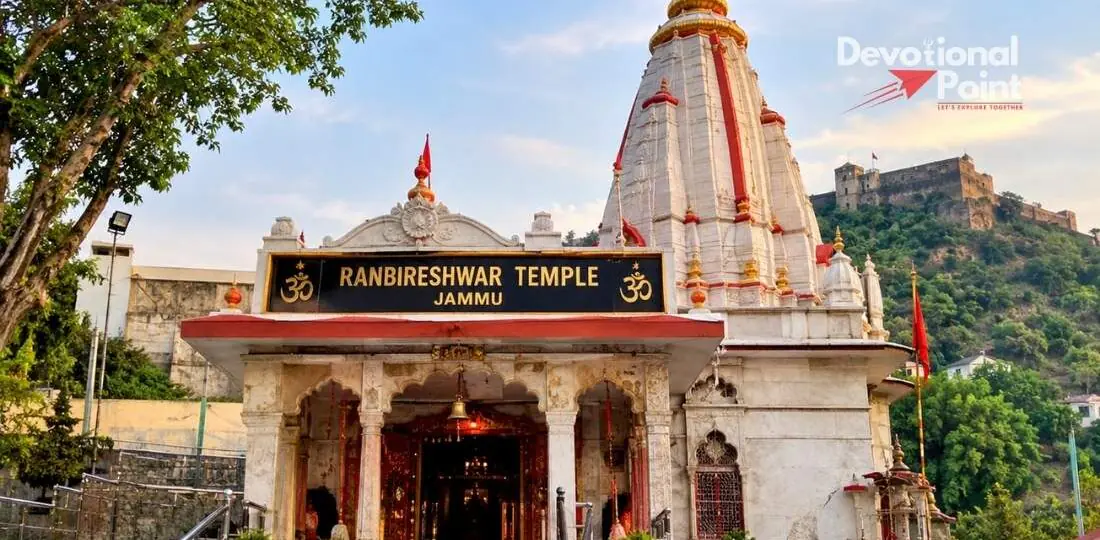
Ranbireshwar Temple Jammu is one of the most prominent Shiva temples in the city and an important stop for pilgrims exploring the religious heritage of Jammu. Located on Shalamar Road near the Civil Secretariat, the temple combines spiritual importance, Dogra-era history, striking architecture, and an extraordinary collection of Shivlings. The District Jammu administration describes it as the biggest Shiva temple in North India, while the Jammu and Kashmir Dharmarth Trust identifies it as an ancient shrine dedicated to Lord Shiva.
For travelers planning a Jammu temple tour, this shrine is especially convenient because it lies close to several other major attractions in the old city. It is also relatively easy to reach from Jammu Tawi Railway Station, Jammu Airport, and central Jammu. Whether you are visiting specifically for Mahadev darshan, exploring the city’s famous temples, or beginning a pilgrimage toward Vaishno Devi, Ranbireshwar Temple can fit naturally into your itinerary.
Before visiting, however, it helps to know the practical details. Temple timings reported by official tourism sources currently indicate an opening time of 5:00 AM and closing time of 9:00 PM, although worship and aarti schedules may vary according to the day, festival, or temple arrangements.
History of Ranbireshwar Temple Jammu
The history of Ranbireshwar Temple is closely connected with the Dogra dynasty and Maharaja Ranbir Singh. The temple was established as a major Shaivite shrine in Jammu, and its name itself reflects the ruler after whom it was built. The Jammu and Kashmir Dharmarth Trust states that Maharaja Ranbir Singh laid the foundation and that the temple was dedicated to Lord Shiva.
According to the Dharmarth Trust’s historical account, sacred lingams were brought from the Narmada River, while murtis were procured from Rajasthan. The account also describes the extraordinary effort associated with installing the main Shivling. According to this traditional history, the large lingam could not initially be positioned in the sacred pedestal, after which the ailing Maharaja came personally, prayed, and helped devotees place it while sacred chants were being recited.
The story gives the temple a character that goes beyond architecture. It connects the physical building with royal patronage, religious devotion, craftsmanship, and the spiritual traditions of the Dogra period. Over the years, Ranbireshwar Temple has continued to function as an active place of worship rather than simply becoming a historical monument.
Today, the temple remains under the wider religious heritage network associated with the J&K Dharmarth Trust, which manages numerous temples and religious institutions in Jammu and Kashmir.
Ranbireshwar Temple Architecture and Shivling
The architecture of Ranbireshwar Temple reflects the grandeur expected from a major 19th-century Dogra-era shrine. The temple stands on an elevated platform, and devotees reach the principal worship area through steps. The commanding position of the building and its prominent spire make it recognizable within the surrounding cityscape. The Dharmarth Trust describes the shrine as standing on a large platform with a broad view toward the surrounding area.
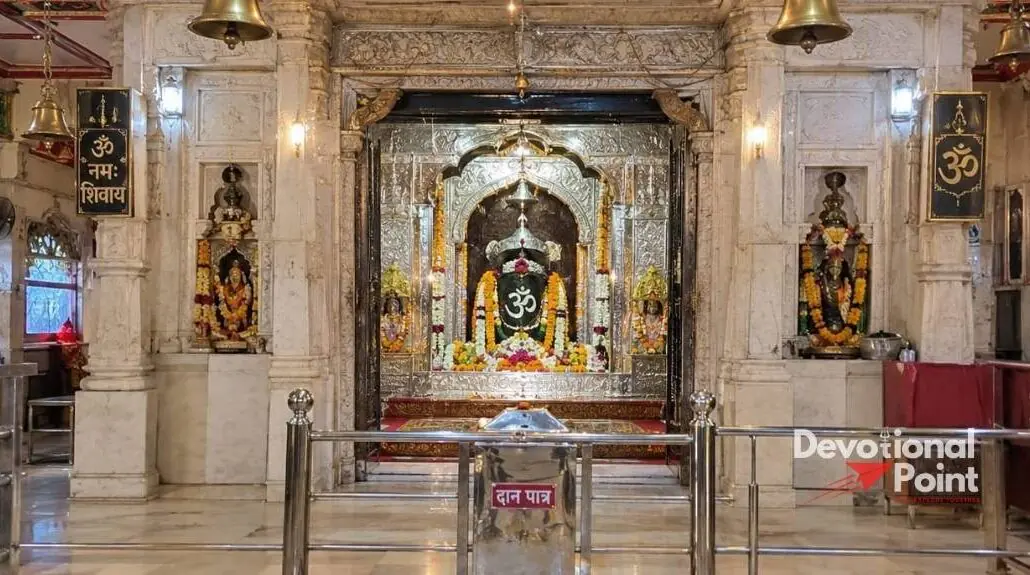
The most striking feature is undoubtedly the main Shivling. Different official sources describe its height as approximately seven and a half to eight feet, so travelers may encounter slightly different measurements in published material. What remains consistent is its exceptional size and importance within the temple.
The temple also contains crystal Shivlings and galleries filled with a very large number of smaller Bana Lingams. The official Jammu tourism page refers to approximately 1,25,000 tiny Shivlings brought from the Narmada River, while the District Jammu administration gives similar information.
Inside and around the temple are also representations of Lord Ganesha, Lord Kartikeya and Nandi, along with other religious imagery. These details make the shrine interesting even for visitors who approach it from an architectural or cultural perspective rather than solely as a pilgrimage destination.
Ranbireshwar Temple Aarti Timings
| Ritual | Timing | What to know |
|---|---|---|
| Morning Aarti | Morning hours — commonly around 6:00–8:00 AM | Timing may vary according to the temple’s daily schedule. |
| Evening Aarti | Evening hours — commonly around 6:00–8:00 PM | Arrive early if you specifically want to attend the aarti. |
Ranbireshwar Temple Timings
The currently published general temple timing from Incredible India is 5:00 AM to 9:00 PM. Current map information also lists the same daily hours.
| Detail | Information |
|---|---|
| Temple | Ranbireshwar Temple |
| Main Deity | Lord Shiva |
| Location | Shalamar Road, Jammu |
| General Opening Time | 5:00 AM |
| General Closing Time | 9:00 PM |
| Major Festival | Maha Shivratri |
| Important Season | Shravan/Sawan |
Timings can be affected by festivals, special pujas, crowd management, maintenance, or local temple arrangements. If you are traveling specifically for an aarti or special ritual, checking the latest information locally is the safest approach.
An early morning visit is particularly attractive if you prefer a quieter spiritual atmosphere. The temperature can also be more comfortable than later in the day, especially during Jammu’s warmer months.
Ranbireshwar Temple Location in Jammu
Ranbireshwar Temple is located on Shalamar Road, near the Jammu Civil Secretariat, Jammu. The District Jammu administration identifies the temple’s location around Shalamar Road near the Civil Secretariat, while tourism information places it approximately 1 km from Raghunath Bazaar.
The temple’s central location makes it convenient to include in a Jammu sightseeing itinerary. Visitors can combine a visit to Ranbireshwar Temple with nearby religious, historical and cultural attractions in the city.
For first-time visitors, you can tell your driver “Ranbireshwar Temple, Shalamar Road, near Civil Secretariat”. Local taxis, auto-rickshaws and private vehicles can reach the area, making the temple relatively easy to access from central Jammu.
| Location Detail | Information |
|---|---|
| Temple Name | Shri Ranbireshwar Temple |
| Location | Shalamar Road, Jammu |
| Nearby Landmark | Jammu Civil Secretariat |
| Distance from Raghunath Bazaar | Approximately 1 km |
| City | Jammu, Jammu & Kashmir |
| Best Landmark to Tell Driver | Shalamar Road / Civil Secretariat |
| Transport Options | Taxi, auto-rickshaw, private vehicle |
| Nearby Area | Central Jammu |
How to Reach Ranbireshwar Temple
Reaching Ranbireshwar Temple is relatively straightforward because it is located inside Jammu city rather than in a remote mountain area. From Jammu Tawi Railway Station, travelers can use local taxis or auto-rickshaws to reach Shalamar Road. Some travel sources place the railway station at roughly 3 km from the temple, although the actual road distance can vary depending on the route.
By air, Jammu Airport is the main airport serving the city. After landing, visitors can hire a taxi toward central Jammu and continue to Shalamar Road. For road travelers, Jammu is well connected with other parts of North India, making the temple easy to include in a wider Jammu pilgrimage or sightseeing itinerary.
If you are already visiting central attractions such as Raghunath Bazaar, the temple is especially convenient. Jammu Tourism places Ranbireshwar Temple about one kilometer from Raghunath Bazaar, making it possible to combine both destinations in the same city tour.
Ranbireshwar Temple Distance from Major Places
| Place | Approx. Distance from Ranbireshwar Temple |
|---|---|
| Raghunath Bazaar | Around 1 km |
| Raghunath Temple | Around 1 km |
| Mubarak Mandi Palace | Around 2 km |
| Amar Mahal Palace | Around 3–4 km |
| Bahu Fort | Around 4 km |
| Bagh-e-Bahu | Around 4–5 km |
| Jammu Tawi Railway Station | Around 5.5–6 km |
| Jammu Bus Stand | Around 7 km |
| Jammu Airport (IXJ) | Around 7–8 km |
Distances are approximate and may vary depending on the route and exact starting point.
Best Time to Visit Ranbireshwar Temple
The best time to visit Ranbireshwar Temple depends on whether you prefer peaceful darshan, comfortable weather, or the festive atmosphere of major Shiva celebrations.
| Visit Period | What to Expect | Best For |
|---|---|---|
| Early Morning | Generally quieter and suitable for peaceful darshan | Visitors seeking a calm experience |
| Weekdays | Usually less crowded than major festival days | Families, senior citizens and relaxed sightseeing |
| Maha Shivratri | Festive atmosphere, special religious activities and larger crowds | Experiencing a major Shiva festival |
| Shravan/Sawan | Increased devotional activity and temple visits | Shiva devotees and festival experience |
| October to March | Cooler and more comfortable weather for exploring Jammu | General sightseeing |
| April to June | Warmer weather, especially during the daytime | Early-morning temple visits |
| July to September | Monsoon period; weather can be variable | Visitors comfortable with changing weather |
For a quieter visit: An early-morning weekday outside major festivals is a practical choice.
For the festive experience: Maha Shivratri and Shravan/Sawan are significant periods, but expect more devotees and potentially longer waiting times.
Festivals Celebrated at Ranbireshwar Temple
Maha Shivratri is among the most important festivals associated with Ranbireshwar Temple. Thousands of devotees may visit important Shiva shrines across Jammu during the festival period, and the temple becomes a particularly significant place for worship. The J&K Dharmarth Trust notes annual fairs connected with Maha Shivratri and Raksha Bandhan, while official tourism information highlights Maha Shivratri as a major celebration.
Shravan or Sawan is another important period for Shiva devotees. During this month, worship of Lord Shiva becomes especially prominent, and devotees often visit temples to offer water, milk, bilva leaves, and prayers according to their traditions. At Ranbireshwar Temple, the atmosphere during this season can be filled with bells, chanting, and devotional activity.
The experience during a major festival is quite different from an ordinary weekday. Instead of a calm heritage visit, you may encounter large crowds and a much stronger pilgrimage atmosphere. If you plan to visit during a festival, allow extra time and follow the instructions of temple staff and local authorities.
Religious Significance of Ranbireshwar Temple
The religious significance of Ranbireshwar Temple comes primarily from its dedication to Lord Shiva, its main Shivling, and its extensive collection of sacred lingams. For devotees, the temple is a place for darshan, prayer, offerings, and reflection. Its association with Maharaja Ranbir Singh and the Dogra period adds another layer of cultural importance.
The presence of numerous lingams connected with the Narmada River is one of the shrine’s most distinctive features. The galleries containing approximately 1.25 lakh small lingams create a visual experience unlike that of many ordinary city temples.
The temple is also part of Jammu’s identity as the “City of Temples.” The Jammu Tourism Directorate explains that the city contains a large number of shrines that attract pilgrims from across India and abroad.
For travelers, this means Ranbireshwar Temple should not be viewed in isolation. It forms part of a larger network of temples that tells the story of Jammu’s religious traditions, royal history, architecture, and living pilgrimage culture.
Things to See Inside Ranbireshwar Temple
The main Shivling is the first feature most visitors notice. Its enormous scale makes it the visual and spiritual center of the shrine. Devotees can also observe the crystal Shivlings and the extensive collection of smaller lingams displayed within the temple galleries.
Another notable feature is the presence of large images of Ganesha, Kartikeya and Nandi. The Dharmarth Trust also describes paintings and panels depicting stories connected with Lord Shiva, including traditional episodes from Hindu religious narratives.
The temple’s elevated setting and broad platform add to its architectural character. Rather than feeling like a small neighborhood shrine, it has the scale of a major historic religious complex.
Visitors interested in history should take a little time to observe the building itself. Look at the proportions of the halls, the sacred imagery, the arrangement of the lingams, and the way the shrine sits within the surrounding city. The experience becomes richer when you treat the temple as both a place of worship and a living part of Jammu’s heritage.
Places to Visit Near Ranbireshwar Temple
Ranbireshwar Temple is located in central Jammu, making it convenient to combine with several religious, historical and sightseeing attractions. Some places can be covered on the same day, depending on your available time.
Raghunath Temple – Located in the heart of Jammu, Raghunath Temple is one of the city’s most well-known Hindu temples. The temple complex is known for its religious importance, traditional architecture and numerous shrines dedicated to different Hindu deities.
Amar Mahal Palace – Situated on a hill overlooking the Tawi River, Amar Mahal Palace is known for its distinctive architecture and royal history. The former palace now houses a museum and art collections, making it a suitable stop for visitors interested in Jammu’s heritage.
Bahu Fort – Built on a hill overlooking the Tawi River, Bahu Fort is one of Jammu’s prominent historical landmarks. The fort is also associated with Bawe Wali Mata Temple, which attracts devotees throughout the year.
Bagh-e-Bahu – Located near Bahu Fort, Bagh-e-Bahu is a landscaped garden offering views of the Tawi River and surrounding areas. It can be a good option for families and visitors looking for a more relaxed outdoor stop after visiting the nearby fort.
Panchvaktar Temple – This is an important Shiva temple in Jammu and can be particularly interesting for visitors following a temple-focused itinerary. Its name is associated with the five-faced form of Lord Shiva, giving the shrine a distinctive religious significance.
Mubarak Mandi Palace – One of Jammu’s important heritage complexes, Mubarak Mandi was associated with the former Dogra royal family. Its historic buildings and architectural features make it worthwhile for travelers interested in the region’s royal and cultural history.
Jammu Old City and Raghunath Bazaar – The old city area around Raghunath Bazaar is useful for experiencing Jammu’s traditional markets, local shopping and food. It is also convenient to combine with a visit to Raghunath Temple.
Vaishno Devi Temple, Katra – Travelers continuing toward Katra can include Ranbireshwar Temple as an early stop before beginning their pilgrimage to Vaishno Devi. Katra is the base town for the Mata Vaishno Devi pilgrimage, so this works particularly well for visitors planning a Jammu–Katra itinerary.
Ranbireshwar Temple Jammu FAQs
What is Ranbireshwar Temple famous for?
Ranbireshwar Temple is famous for its dedication to Lord Shiva, its enormous central Shivling, crystal Shivlings, and galleries containing approximately 1.25 lakh small Bana Lingams associated with the Narmada River. It is also recognized as one of the most important Shiva temples in North India.
What are the current Ranbireshwar Temple timings?
Current official tourism information lists general temple hours as approximately 5:00 AM to 9:00 PM. Ritual and aarti timings may differ, particularly during festivals or special religious occasions, so visitors attending a specific aarti should confirm the day’s schedule locally.
Where is Ranbireshwar Temple located in Jammu?
Ranbireshwar Temple is located on Shalamar Road near the Jammu Civil Secretariat. It is also approximately one kilometer from Raghunath Bazaar according to Jammu Tourism information.
Who built Ranbireshwar Temple?
The temple was built under Maharaja Ranbir Singh, the Dogra ruler after whom it is named. Official sources differ slightly on the construction dates, but associate the temple with the late 19th century and the Maharaja’s patronage.
When is the best time to visit Ranbireshwar Temple?
For a quieter experience, an early morning visit on a regular day is a good option. For a more energetic devotional atmosphere, Maha Shivratri and Shravan/Sawan are particularly significant periods, although they can also be much more crowded.
Book Your Jammu Tour Package Now
Jammu Tour Package
Book Now
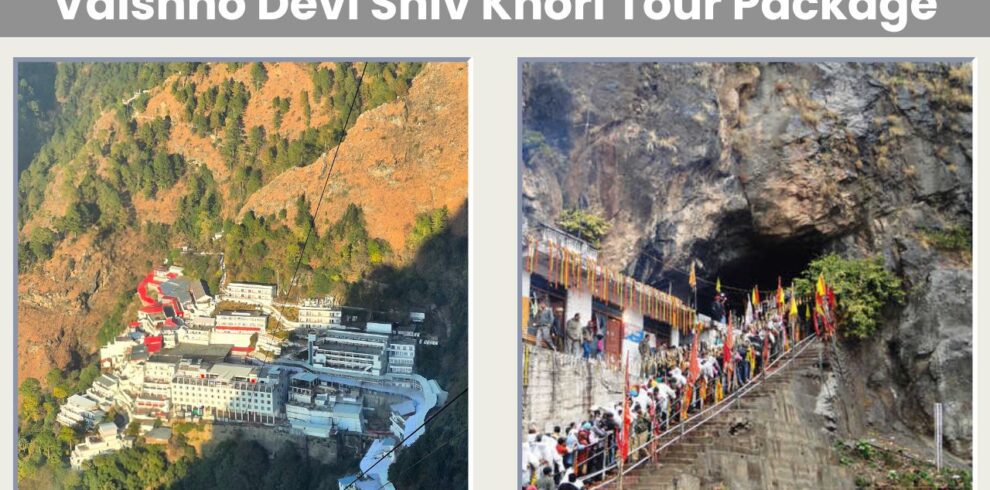
The Vaishno Devi Shiv Khori Tour Package 2 Night 3 Days from Katra is a perfectly curated pilgrimage for devotees…
Are you dreaming of an unforgettable honeymoon or a luxurious escape amidst breathtaking natural beauty? Look no further than Kashmir,…

Are you dreaming of a honeymoon that combines romance, adventure, and unforgettable landscapes? Look no further than the stunning beauty…

Are you dreaming of a honeymoon that combines romance, adventure, and unforgettable landscapes? Look no further than the stunning beauty…
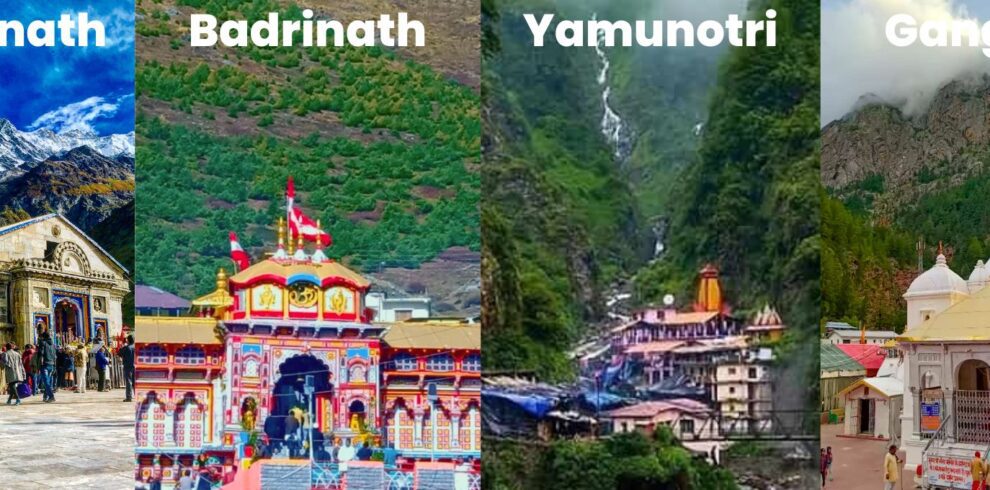
Chardham Yatra Package 2025 Includes – Yamunotri, Gangotri, Kedarnath and Badrinath Temple Darshan which is 11 nights and 12Days Tour…
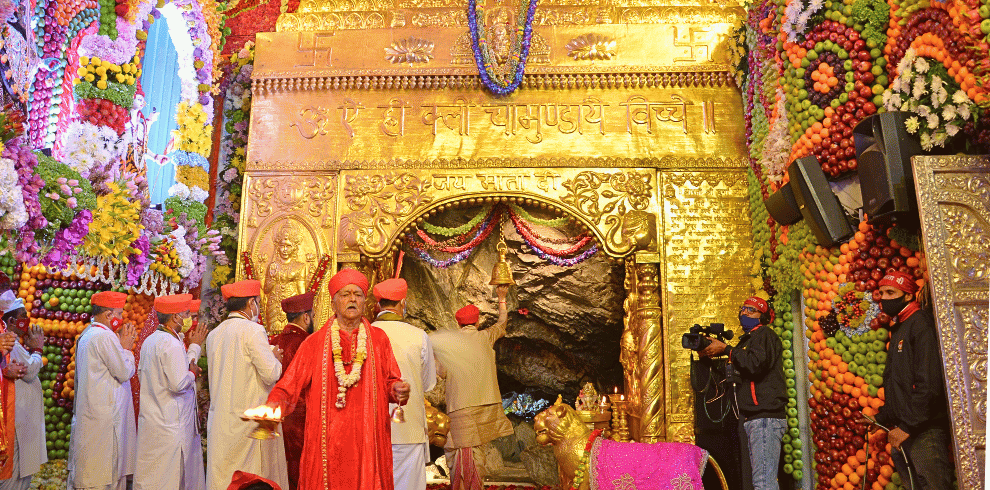
Here's how you can book your spot for the Vaishno Devi Attka Aarti Online Booking Procedure. The Aarti at Vaishno…