
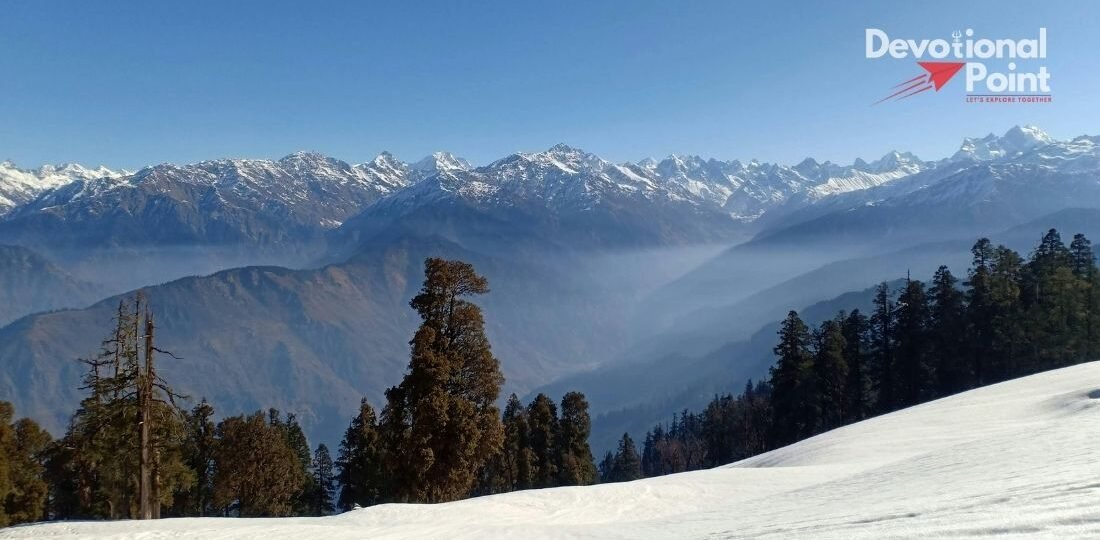
Jammu City is one of the most important gateways to Jammu and Kashmir and a natural starting point for travellers heading toward Vaishno Devi, Kashmir Valley, Patnitop, Shiv Khori and other destinations in the region. Known popularly as the “City of Temples,” Jammu combines religious importance, Dogra heritage, historic monuments, busy markets and the distinctive landscape of the Tawi River and surrounding hills. The city is also an important transport hub, with Jammu Tawi railway station connecting it to major parts of India, an airport serving domestic air connections, and road links carrying regular buses and other vehicles toward neighbouring cities and tourist destinations.
For a traveller, Jammu is more than simply a place to change trains or catch a bus. Spend a little time here and the city begins to reveal a different personality: old temples sit alongside modern neighbourhoods, royal-era buildings tell stories of the Dogra rulers, and markets remain lively throughout the day. The official Jammu tourism information lists attractions such as Raghunath Temple, Mubarak Mandi Palace, Amar Mahal, Bahu Fort, Bagh-e-Bahu and Akhnoor Fort, giving visitors plenty to explore.
Why Visit Jammu City?
Jammu is particularly appealing because several types of travel come together in one destination. Pilgrims often use the city as a transit point for Mata Vaishno Devi, while families and history enthusiasts can spend a day exploring temples, palaces, gardens and museums. The city also provides an easy introduction to the culture of the Jammu region before travellers continue toward the higher mountains of the Kashmir Valley. Rather than thinking of Jammu as merely a stopover, it is better to treat it as the first chapter of a Himalayan journey.
The city’s location beside the Tawi River gives it a distinctive geographical identity. Jammu developed around the river and the hills, and many of its important landmarks take advantage of elevated locations overlooking the surrounding landscape. The district administration describes Jammu as a winter capital and notes its long association with temples, historic structures and the Vaishno Devi pilgrimage.
Another reason to visit is convenience. Jammu has accommodation, restaurants, local transport, railway connectivity, road transport and an airport, making it comparatively easy to build a short itinerary around the city. If your main journey is a pilgrimage, even one full day in Jammu can be enough to see several major attractions without making your travel schedule unnecessarily complicated.
How to Reach Jammu
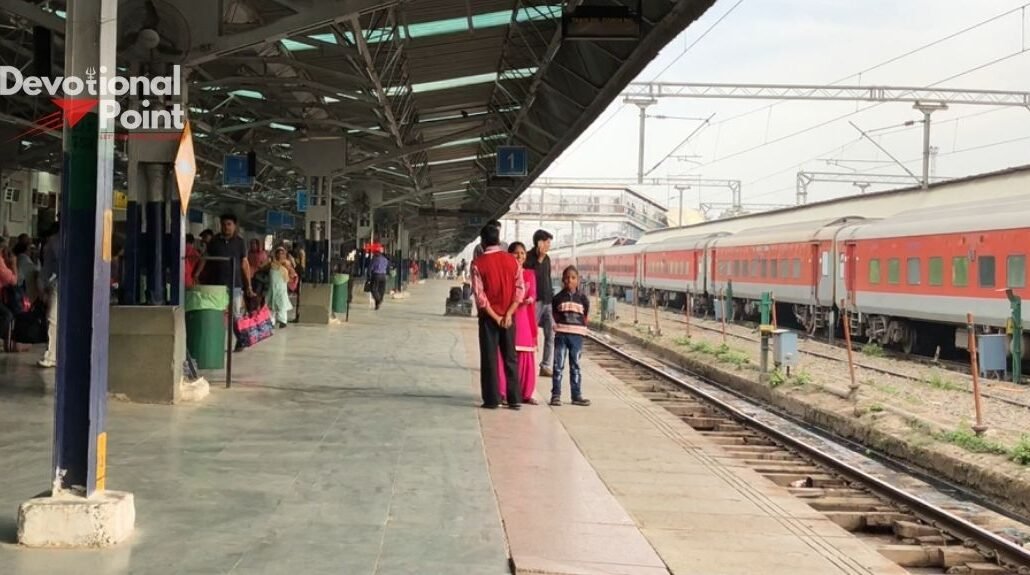
Jammu is one of the main gateways to Jammu & Kashmir and is well connected with major cities in India by air, train and road. Whether you are travelling for a Vaishno Devi Yatra, sightseeing in Jammu, or continuing towards Kashmir, you can choose the mode of transport that best suits your schedule and budget.
By Air
The nearest airport is Jammu Airport (IXJ), also known as Jammu Civil Enclave. It is located around 8 km from the main Jammu city area. Regular flights connect Jammu with major Indian cities, making air travel a convenient option for visitors coming from distant parts of the country.
After reaching the airport, you can take a taxi or other local transport to reach your hotel or continue towards Katra, which is the base town for the Vaishno Devi Yatra.
By Train
Travelling by train is one of the most popular ways to reach Jammu. Jammu Tawi Railway Station (JAT) is a major railway station with connections to several cities across India.
Several long-distance trains operate towards Jammu from cities such as Delhi, Mumbai, Kolkata, Ahmedabad, Jaipur and other major centres. From Jammu Tawi, travellers can take a taxi or bus towards Katra or other destinations in the region.
If your main purpose is the Vaishno Devi Yatra, you can also check train services directly to Shri Mata Vaishno Devi Katra Railway Station (SVDK), which is closer to the pilgrimage base.
By Road
Jammu has good road connectivity with northern Indian cities and can be reached by bus, taxi or private vehicle. National highways and major road routes connect Jammu with places such as Delhi, Amritsar, Ludhiana, Chandigarh and Srinagar.
Government and private buses operate on several routes, while taxis are available for travellers who prefer a more flexible journey.
From Jammu to Katra
Katra is approximately 45–50 km from Jammu and serves as the main base for the Vaishno Devi pilgrimage. You can travel from Jammu to Katra by taxi, bus or train.
The road journey generally takes around 1.5 to 2 hours, depending on traffic and road conditions. If travelling by train, you can also check services from Jammu Tawi to Shri Mata Vaishno Devi Katra Railway Station.
Jammu Train Connectivity and Travel Planning
When planning a Jammu trip by train, do not look only at the departure and arrival times. Consider how much time you need after reaching Jammu for luggage collection, local transport, hotel check-in and sightseeing. This becomes particularly important during festival periods, holiday seasons and peak pilgrimage dates, when demand for transport and accommodation can rise.
Jammu Tawi can be especially convenient for long-distance travellers because a train journey allows you to avoid the fatigue of a long road trip. Overnight trains can also make efficient use of your travel time, allowing you to arrive in Jammu in the morning and begin sightseeing after breakfast. Families and older travellers may find this more comfortable than spending many hours continuously on a bus.
If Jammu is only your transit point for Vaishno Devi, check the onward route before finalising your train. Katra is the pilgrimage base, while Jammu is the larger transport and urban centre. Keeping these two destinations distinct in your itinerary can prevent confusion when booking hotels, taxis or onward transport.
Jammu Train vs Bus: Which Is Better?
| Feature | Train to Jammu | Bus to Jammu |
|---|---|---|
| Best for | Long-distance travel | Shorter or flexible road journeys |
| Comfort | Generally comfortable for long journeys | Depends on bus type and road conditions |
| Travel time | Depends on train and route | Depends heavily on traffic and road conditions |
| Booking | Check latest railway schedule | Check current operator schedule |
| Families | Often convenient for overnight journeys | Convenient for selected routes |
| Sightseeing after arrival | Easy to arrange local transport | Bus stand is centrally useful |
| Main arrival point | Jammu Tawi Railway Station | Jammu General Bus Stand |
Neither option is universally better. If you are travelling from a distant city and have a convenient direct train, the train is usually the simpler choice. If you are coming from a nearby city or want a road-based itinerary, a bus can make more sense. Your starting location, budget, family size and preferred travel style should determine the choice.
Best Places to Visit in Jammu City
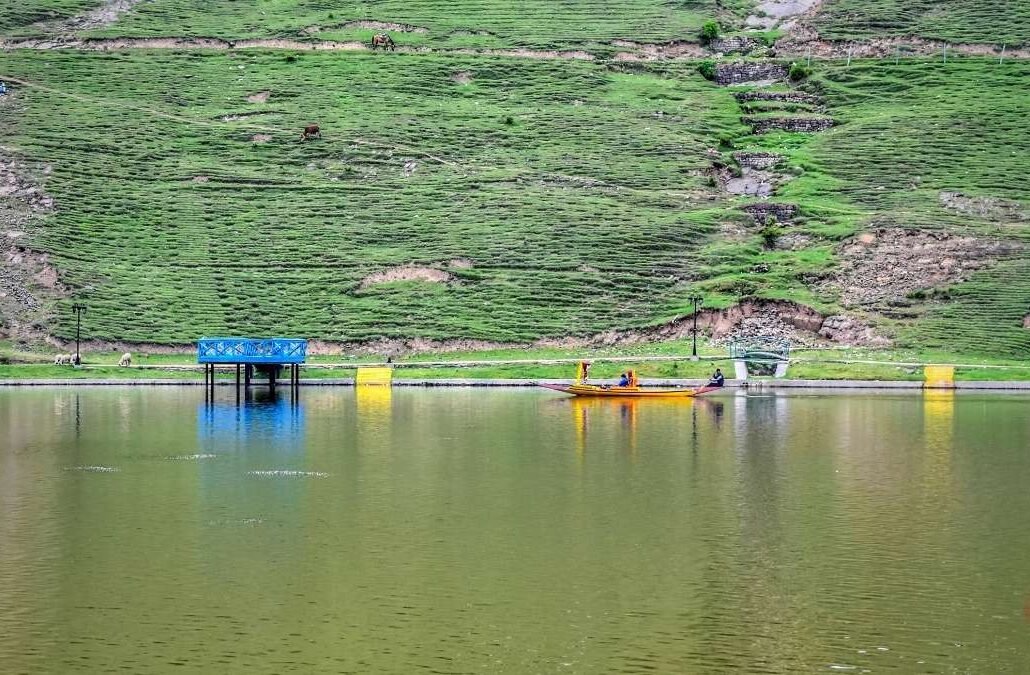
Jammu has a surprisingly varied sightseeing scene. The official district tourism portal currently lists Bagh-e-Bahu, Akhnoor Fort, Raghunath Temple, Mubarak Mandi Palace, Amar Mahal and Bahu Fort among its tourist attractions.
Raghunath Temple
Raghunath Temple is one of the best-known religious landmarks in Jammu and sits in the heart of the city. The temple complex contains seven shrines, each associated with its own shikhara, while the principal shrine is dedicated to Lord Ram. The district tourism website notes that the complex was developed during the period of Maharaja Gulab Singh and Maharaj Ranbir Singh in the nineteenth century.
The temple is particularly interesting for visitors who want to understand Jammu’s religious and architectural heritage. Its location near Raghunath Bazaar also makes it convenient to combine temple sightseeing with shopping and local exploration. Rather than rushing through the complex, allow yourself enough time to appreciate the architecture and the atmosphere of the surrounding market area.
Kol Kandoli Temple
Kol Kandoli Temple, located in Nagrota near Jammu, is a revered shrine dedicated to Mata Vaishno Devi. It is traditionally regarded as the first stop in the Vaishno Devi pilgrimage, where devotees seek blessings before continuing towards Katra and the holy shrine of Mata Vaishno Devi.
The temple is associated with the traditional belief that Mata Vaishno Devi spent part of her early life in the area. Devotees visit the temple to offer prayers and begin their pilgrimage with blessings. Its peaceful surroundings and religious significance make Kol Kandoli an important spiritual destination for pilgrims travelling from Jammu towards Katra.
Bahu Fort and Bagh-e-Bahu
Bahu Fort is another major landmark and one of the most recognisable historic structures in Jammu. It stands on a rocky location overlooking the Tawi River, around 5 km from the city centre according to the district tourism portal. The fort contains the Bawey Wali Mata Temple, dedicated to Goddess Kali, and the surrounding area includes Bagh-e-Bahu.
Bagh-e-Bahu is particularly attractive for families and visitors looking for a quieter sightseeing experience. The terraced garden overlooks the Tawi and provides opportunities for walking, photography and enjoying views of Jammu. The official tourism information recommends early morning or late afternoon for visiting the garden and notes that spring and winter can provide pleasant conditions.
Mubarak Mandi Palace
If you enjoy history, Mubarak Mandi Palace deserves a place on your Jammu itinerary. The palace was the principal royal residence of the Dogra rulers in Jammu until 1925, and its architecture reflects a mixture of Rajasthani and Mughal influences. The complex also houses the Dogra Art Museum, where visitors can see regional artistic traditions and historic collections.
Walking through a royal complex can feel like opening an old history book, except that here the buildings themselves become the pages. The architecture, courtyards and surviving collections provide a glimpse into Jammu’s royal past and make the palace an excellent choice for travellers who want something beyond temples and religious sites.
Amar Mahal
Amar Mahal adds another dimension to Jammu’s heritage experience. The palace was built in 1862 in a French-chateau style and is positioned on a hill overlooking the Tawi River. Parts of the palace have been converted into galleries and museums displaying material associated with Jammu’s royal history and regional art.
One of the most distinctive objects associated with the museum is the golden throne of Jammu, which the official district page describes as weighing 120 kg and being made of pure gold. The museum also features Pahari paintings and works by modern Indian artists.
Akhnoor Fort
For travellers willing to go beyond the central city, Akhnoor Fort offers a rewarding excursion. The fort stands beside the Chenab River and has considerable historical significance, with construction beginning in the eighteenth century and the present fort completed in 1802 under Raja Alam Singh. The site also has archaeological importance, with evidence associated with several historical periods.
Akhnoor works particularly well as a half-day outing from Jammu. The combination of the fort, river landscape and archaeological history makes it different from the temple-and-palace sightseeing available within the city itself.
What to Eat in Jammu
A trip to Jammu is not complete without tasting some of its traditional food. The city offers a mix of Dogri flavours, North Indian favourites, local sweets, and simple comfort foods that reflect the region’s culture and traditions. Whether you are visiting Jammu before heading to Katra or staying for a few days, there are plenty of local dishes worth adding to your food list.
1. Rajma Chawal
Rajma Chawal is one of the most popular comfort foods associated with Jammu. The red kidney beans are cooked in a flavourful gravy and served with steamed rice. Jammu-style rajma is especially enjoyed for its earthy taste and aromatic spices.
2. Kaladi Kulcha
If you want to try something distinctly local, look for Kaladi Kulcha. Kaladi is a traditional cheese from the Jammu region that becomes soft and slightly crisp when cooked. It is commonly served inside kulcha or with bread, making it a popular quick meal or snack.
3. Khatta Meat
For non-vegetarian food lovers, Khatta Meat is a traditional Dogra preparation to look for. The dish has a distinctive tangy flavour along with aromatic spices, giving it a taste that is different from many everyday mutton curries.
4. Ambal
Ambal is a traditional Dogri dish made primarily with pumpkin. Its combination of sweet and sour flavours makes it different from typical vegetable preparations. It is generally enjoyed as part of a traditional meal with other Dogri dishes.
5. Maa Da Madra
Maa Da Madra is a rich traditional preparation made with black lentils and curd. It has a creamy texture and is usually flavoured with a combination of whole spices. It is a good choice for travellers who want to explore Jammu’s traditional vegetarian cuisine.
6. Kulthein Di Dal
Made using horse gram, Kulthein Di Dal is another traditional Dogri dish. It has a hearty flavour and is commonly served with rice or roti. The dish is particularly interesting for travellers looking beyond the usual restaurant menu.
7. Auriya
Auriya is a simple potato-based Dogri preparation with a tangy and spicy flavour. It is generally eaten with rice or roti and is a good example of the everyday food traditions of the Jammu region.
8. Patisa
No Jammu food list is complete without mentioning Patisa. This flaky, delicate sweet is made from ingredients such as gram flour, ghee and sugar and is known for its melt-in-the-mouth texture. It is also a popular choice to take home as a sweet souvenir.
9. Sund Panjeeri
Sund Panjeeri is a traditional sweet preparation made with ingredients such as flour, ghee, sugar and dry fruits. It is especially associated with traditional households and festive occasions and offers a different taste from the more familiar Indian sweets.
10. Dogri Thali
If you do not want to order individual dishes, trying a Dogri thali can be a convenient way to experience several regional flavours in one meal. Depending on the restaurant, the selection may include traditional vegetables, lentils, rice, breads and accompaniments.
Jammu City Weather: What Is the Climate Like?
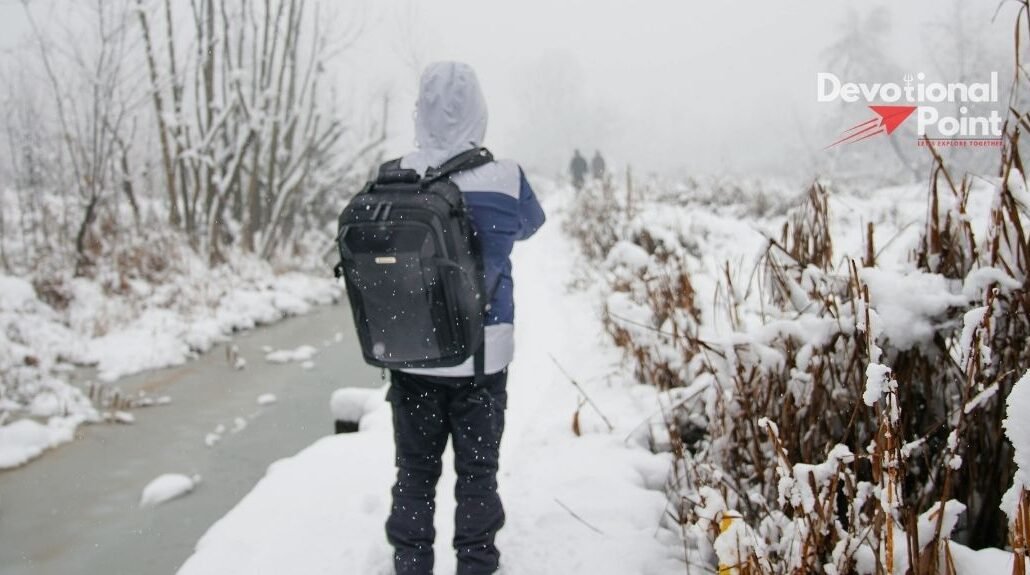
Jammu weather is generally warmer than the higher-altitude parts of Jammu and Kashmir. Summers can be hot, while winters are much cooler and usually more comfortable for sightseeing. The district’s historical information records temperatures ranging from around freezing conditions in winter to very high summer temperatures, illustrating the substantial seasonal variation.
For practical travel planning, the season matters more than any single temperature figure. During hot months, sightseeing in the middle of the afternoon can be tiring, particularly if you are visiting several outdoor attractions. Early morning and late afternoon are usually more pleasant for walking around gardens, forts and temple areas.
The latest available India Meteorological Department observation for Jammu City on September 25, 2026 recorded a maximum temperature of 31.9°C and a minimum of 22.6°C, with 0.2 mm of rainfall reported. The observation gives a useful snapshot of late-September conditions, but travellers should always check the latest forecast close to their departure because weather can change.
Jammu Weather Month by Month
| Season | General Conditions | Travel Experience |
|---|---|---|
| March–April | Mild to increasingly warm | Good for sightseeing |
| May–June | Hot, with strong summer heat | Plan outdoor visits carefully |
| July–September | Warm and more humid, with rain possible | Check weather before road trips |
| October–November | Comfortable and gradually cooler | Excellent for sightseeing |
| December–February | Cool to cold, especially mornings and nights | Good for heritage and temple visits |
These are broad seasonal travel patterns rather than a forecast. Actual temperatures and rainfall can vary from year to year, so check the latest IMD forecast before travelling, especially if your itinerary includes road journeys or outdoor sightseeing. Recent IMD data also show that Jammu can remain quite warm in September even as temperatures begin moving away from peak summer conditions.
Best Time to Visit Jammu
For most travellers, October to March is an attractive period for exploring Jammu because temperatures are generally more comfortable than during the peak summer heat. Winter can be particularly pleasant for sightseeing, although mornings and evenings can feel cold compared with the daytime. This season also works well for visitors combining Jammu with religious travel and nearby hill destinations.
Spring can also be enjoyable because the weather becomes warmer without the intense heat associated with summer. Gardens such as Bagh-e-Bahu can be especially pleasant when temperatures are moderate. If your main objective is sightseeing rather than simply passing through Jammu, choosing a comfortable season can make a significant difference to the experience.
Summer travel is still possible, but you should plan around the heat. Carry water, use sun protection and avoid packing too many outdoor attractions into the middle of the day. The monsoon period can bring rain and changes in road conditions, so travellers planning road excursions should check the local forecast before departure.
Jammu City Distance from Major Places
Jammu is well connected to several important pilgrimage, hill-station and tourist destinations in Jammu & Kashmir. Knowing the approximate distance can help you plan your sightseeing, taxi bookings and onward travel more easily.
| Destination | Approx. Distance from Jammu | Approx. Travel Time |
|---|---|---|
| Katra | 45–50 km | 1.5–2 hours |
| Patnitop | 110–115 km | 3–4 hours |
| Shiv Khori | 75–85 km | 2.5–3.5 hours |
| Bhadarwah | 180–190 km | 5–6 hours |
| Srinagar | 265–300 km | 7–9 hours |
| Jammu Airport to Katra | 45–50 km | 1.5–2 hours |
Distances and travel times are approximate and can vary depending on the route, traffic, weather and road conditions.
Jammu City for Vaishno Devi Pilgrims
Jammu has a special relationship with the Vaishno Devi pilgrimage because it is one of the major gateways for travellers arriving in the region. Many pilgrims reach Jammu by train or air and then continue toward Katra, the base town for the pilgrimage. This makes Jammu particularly busy during major religious periods and holiday seasons.
If your objective is Vaishno Devi, you can either continue directly toward Katra or spend a day exploring Jammu first. The right choice depends on your arrival time and pilgrimage schedule. If you reach Jammu early and have sufficient time, visiting one or two major attractions can make your journey more memorable without interfering with your yatra.
Weather should also be considered when planning the onward journey. The India Meteorological Department provides dedicated weather information for the Jammu–Katra and Katra–Vaishno Devi route, which can be useful during periods when rain or thunderstorms are possible.
Suggested One-Day Jammu Itinerary
| Time | Place / Activity | What to Do |
|---|---|---|
| Morning | Raghunath Temple | Start the day with a visit to the temple and spend some time exploring the surrounding area. |
| Late Morning | Jammu Market Area | Walk around the nearby market and experience the local atmosphere. |
| Before Lunch | Mubarak Mandi Palace | Explore the historic heritage complex, depending on museum access and opening arrangements. |
| Lunch | Local Restaurant | Take a break and enjoy lunch before continuing your sightseeing. |
| Afternoon | Bahu Fort | Visit the historic fort and enjoy views over the surrounding city. |
| Late Afternoon | Bagh-e-Bahu | Spend some relaxed time in the garden after visiting Bahu Fort. |
| Evening | Amar Mahal / Nearby Attraction | If time and energy allow, visit Amar Mahal or another nearby attraction. |
| Evening/Night | Return to Hotel | Head back to your hotel and rest after the day’s sightseeing. |
Jammu City Local Transport
Getting around Jammu is relatively straightforward because the city has a mix of local road transport and private vehicles. Travellers can use taxis and other local transport options to move between the railway station, bus stand, hotels, markets and tourist attractions. The best option depends on how many places you want to cover and whether you are travelling alone, with family or as part of a pilgrimage group.
For a short sightseeing day, hiring a vehicle for several attractions can be convenient because places such as Bahu Fort, Amar Mahal, Mubarak Mandi and Raghunath Temple are spread across different parts of the urban area. If you prefer independent travel, local transport can work well for individual attractions, particularly those close to central Jammu.
Always confirm the fare or booking terms before starting a private taxi journey. For longer excursions such as Akhnoor, having a vehicle for the full trip can save time and make the journey more comfortable.
Taxi Services from Jammu
Jammu is a convenient starting point for exploring Katra, Patnitop, Srinagar, Shiv Khori, Bhadarwah and nearby destinations. Depending on your travel plan, you can choose a one-way or sightseeing taxi and check the distance, estimated fare, travel time and available services before booking.
Below are some useful taxi routes from Jammu and Jammu Airport, including popular pilgrimage and sightseeing destinations:
| Taxi Route | Starting Price | Useful For |
|---|---|---|
| Jammu to Katra Taxi | ₹1,999 | Vaishno Devi Yatra, Katra sightseeing |
| Jammu to Patnitop Taxi | ₹3,499 | Hill station trip and sightseeing |
| Jammu to Srinagar Taxi | ₹3,999 | Travel towards Kashmir Valley |
| Jammu Airport to Katra Taxi | ₹2,250 | Direct airport transfer to Katra |
| Jammu to Bhadarwah Taxi | ₹3,500 | Mountain sightseeing and local attractions |
| Jammu to Shiv Khori Taxi | ₹3,500 | Shiv Khori pilgrimage and sightseeing |
| Jammu to Himachal Taxi | ₹3,500 | Travel to Himachal Pradesh and nearby destinations |
You can explore each route below for more information about distance, taxi prices, sightseeing options, services and booking details.
Frequently Asked Questions About Jammu City
Is Jammu a good city for tourists?
Yes. Jammu is particularly suitable for travellers interested in temples, history, Dogra heritage, gardens and pilgrimage tourism. Major attractions include Raghunath Temple, Bahu Fort, Bagh-e-Bahu, Mubarak Mandi Palace and Amar Mahal.
Which railway station is used for Jammu City?
The principal railway station is Jammu Tawi Railway Station (JAT). It is an important railhead with connections to major Indian cities.
How can I travel from Jammu to Katra?
Katra is connected to Jammu by road, and travellers can use buses, taxis and other road transport options. Check the latest local transport availability before travelling because schedules and fares can change.
What is the best time to visit Jammu?
October to March is generally a comfortable period for sightseeing because the weather is usually more pleasant than the peak summer months. Spring can also be a good choice, while summer requires more careful planning around daytime heat.
How many days are enough for Jammu City?
One full day is enough to cover several major attractions, particularly if you plan your route efficiently. Two days allow a more relaxed experience and make it easier to include additional heritage sites or a nearby excursion such as Akhnoor.
FAQs
1. What is Jammu City famous for?
Jammu is famous for its temples, Dogra heritage, historic forts and palaces, the Tawi River and its importance as a gateway for the Vaishno Devi pilgrimage.
2. Is Jammu Tawi the main railway station in Jammu?
Yes. Jammu Tawi (JAT) is the major railway station serving Jammu City and an important railhead for the region.
3. Which places should I visit in Jammu in one day?
Raghunath Temple, Mubarak Mandi Palace, Bahu Fort and Bagh-e-Bahu are strong choices for a one-day itinerary.
4. Is Jammu City hot in summer?
Jammu can become very hot during summer. Travellers should plan outdoor sightseeing for the cooler parts of the day and stay hydrated.
5. Can I visit Jammu before going to Vaishno Devi?
Yes. Many travellers arrive in Jammu and then continue toward Katra for the Vaishno Devi pilgrimage. If time permits, spending a day exploring Jammu can add a valuable cultural and historical dimension to the trip.
Book Jammu Tour Package Now
Jammu & Vaishno Devi Tour Package
Book Now
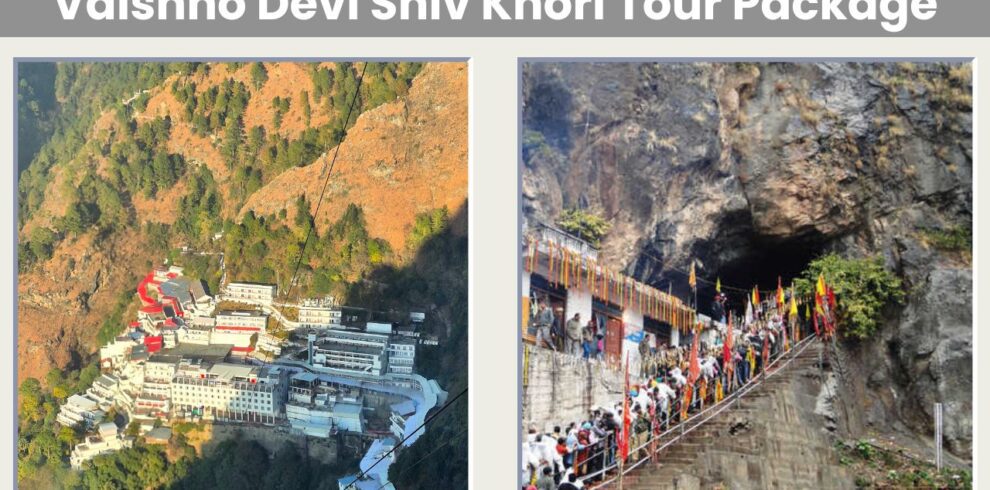
The Vaishno Devi Shiv Khori Tour Package 2 Night 3 Days from Katra is a perfectly curated pilgrimage for devotees…
Dehradun Tour Package Explore the spiritual essence for and natural beauty of Uttarakhand with Devotional Point Tour & Travels, your…
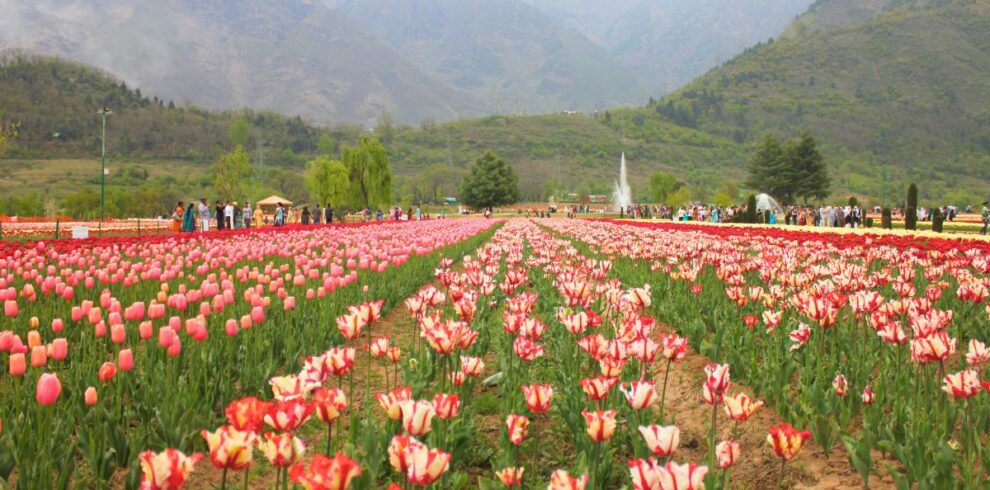
Are you dreaming of an unforgettable honeymoon or a luxurious escape amidst breathtaking natural beauty? Look no further than Kashmir,…

Are you dreaming of a honeymoon that combines romance, adventure, and unforgettable landscapes? Look no further than the stunning beauty…

Are you dreaming of a honeymoon that combines romance, adventure, and unforgettable landscapes? Look no further than the stunning beauty…
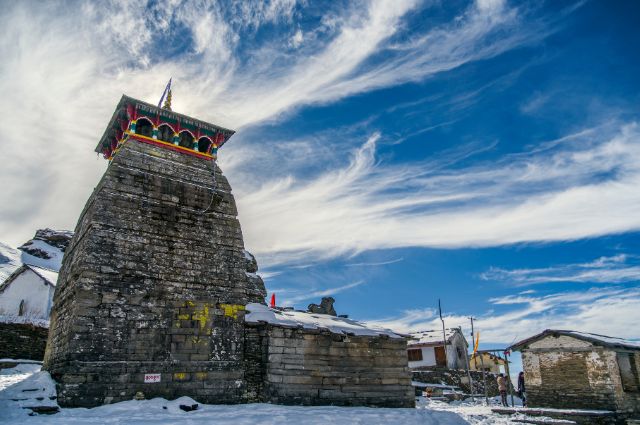
Looking for a perfect blend of adventure and spirituality? The Chopta Tungnath Package from Delhi is exactly what you need….